






1. Sabudana Khichdi
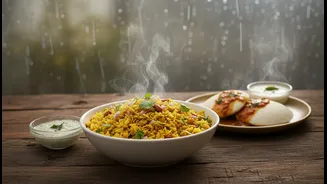
A quintessential fasting dish across India, Sabudana Khichdi is both comforting and deeply satisfying. These soft, chewy tapioca pearls are sautéed with cubed potatoes, roasted peanuts, and a simple tempering of cumin seeds and green chillies in ghee.
A final squeeze of lemon juice cuts through the richness and brightens the flavours. Sabudana is a fantastic source of carbohydrates, providing sustained energy to power you through your morning. Since it's light on the digestive system, it’s an ideal way to begin a day of fasting without feeling heavy or lethargic. Paired with a bowl of plain curd, it becomes a perfectly balanced meal.
2. Kuttu ki Puri with Aloo Sabzi
There is nothing quite like the combination of hot, fluffy puris and a simple potato curry. During Shravan, this classic gets a vrat-friendly makeover. Kuttu ka atta (buckwheat flour) is used to make the puris, which are deep-fried to a delightful crispness. Buckwheat is naturally gluten-free and packed with nutrients. The accompanying aloo sabzi is prepared without onions or garlic, using a simple base of tomatoes, ginger, green chillies, and cumin, all cooked in ghee and seasoned with sendha namak (rock salt). This combination is a fulfilling and wholesome meal that feels indulgent yet adheres to all fasting rules.
3. Rajgira Paratha
Rajgira (amaranth flour) is another superfood that shines during the fasting season. It's rich in protein, calcium, and iron, making it an excellent choice for maintaining strength and vitality. To make these parathas, rajgira flour is kneaded into a soft dough, often with mashed potatoes or sweet potatoes acting as a binding agent. The dough is then rolled out and cooked on a tawa with a little ghee until golden-brown spots appear. These nutty, soft flatbreads can be enjoyed with a side of plain yogurt or a simple lauki (bottle gourd) sabzi for a complete and nourishing breakfast.
4. Samak Ke Chawal ka Upma
Samak ke chawal, or barnyard millet, is a wonderful substitute for semolina or rice during Shravan. This tiny, gluten-free grain cooks quickly and has a light, fluffy texture. To make a savoury upma, the millet is first rinsed and soaked. A tempering of cumin seeds, curry leaves, and chopped green chillies is prepared in ghee, followed by sautéed potatoes and peanuts. The soaked millet is then added along with hot water and cooked until soft and all the liquid is absorbed. This dish is not only delicious but also easy to digest, making it a gentle yet energizing start to your day.
5. Singhare ke Atte ka Cheela
If you're looking for a lighter, pancake-style breakfast, look no further than cheelas made from singhare ka atta (water chestnut flour). This flour is another vrat-approved ingredient known for its cooling properties. A thin batter is prepared by mixing the flour with water, sendha namak, and finely chopped green chillies and coriander. Some recipes also incorporate grated vegetables like bottle gourd for added nutrition. The batter is then poured onto a hot tawa and cooked with a little ghee until crisp around the edges and cooked through. These savoury pancakes are quick to make and pair wonderfully with a mint and coriander chutney.
6. Fruit and Nut Salad
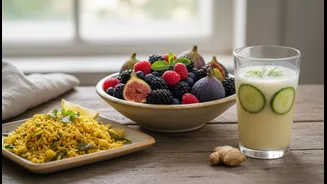
For those mornings when you crave something fresh, light, and require no cooking at all, a simple fruit and nut salad is the perfect answer. This is perhaps the easiest and most refreshing vrat breakfast. Combine a variety of seasonal fruits like bananas, apples, pomegranates, and papaya in a bowl. Add a generous handful of nuts like almonds, walnuts, and cashews for healthy fats and protein. For a touch of sweetness, you can drizzle a little honey. Some people also like to add a dollop of fresh cream or yogurt to make it more substantial. This breakfast is packed with vitamins, minerals, and natural sugars to keep you active and hydrated.
7. Makhana Kheer
To satisfy a sweet tooth first thing in the morning, Makhana Kheer is an excellent choice. Makhana, or fox nuts, are light, airy, and a powerhouse of nutrients. To prepare this kheer, the makhana are first lightly roasted in ghee until they become crisp. They are then added to simmering milk and cooked until the milk thickens and the makhana soften. The kheer is sweetened with sugar or jaggery and flavoured with cardamom powder and a few strands of saffron. Garnished with slivered almonds and pistachios, this creamy dessert-for-breakfast is both comforting and nutritious, providing calcium from the milk and energy from the nuts and sweeteners.