





The Foundation: More Than Just Space
Assigning shelves is often the first and only step people take. While it's a good start, it rarely solves the core issues: the half-empty jar of chutney from three months ago, the mysterious disappearance of your paneer, or the unidentifiable puddle in the crisper
drawer. A successful agreement acknowledges that a shared fridge is a complex ecosystem. It requires a proper conversation, not just a set of hastily made rules. Before you even talk about shelves, have a frank and friendly chat with your flatmates or colleagues about expectations. What does 'clean' mean to everyone? What are the biggest pet peeves? This initial talk sets the stage for a collaborative plan rather than a list of demands.
The Kick-Off Meeting: Set Your Terms
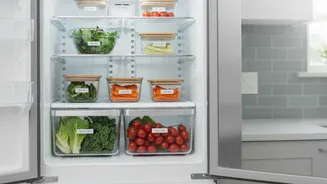
Set aside a specific time to create your agreement when everyone is calm and present. Don't try to have this conversation when someone is rushing out the door. The goal is to agree on a system that feels fair to everyone. Key topics to cover include deciding which, if any, staples you'll share. It may make sense to pool resources for milk, butter, and common condiments to save space, but this needs explicit agreement. Discuss a policy for leftovers. How long is too long for them to stay? A common rule is to toss anything unlabelled or past a certain number of days. Finally, decide on the basics of space allocation. Will it be one shelf per person, or do you split the fridge vertically? Make it equitable.
Labelling: Your First Line of Defence
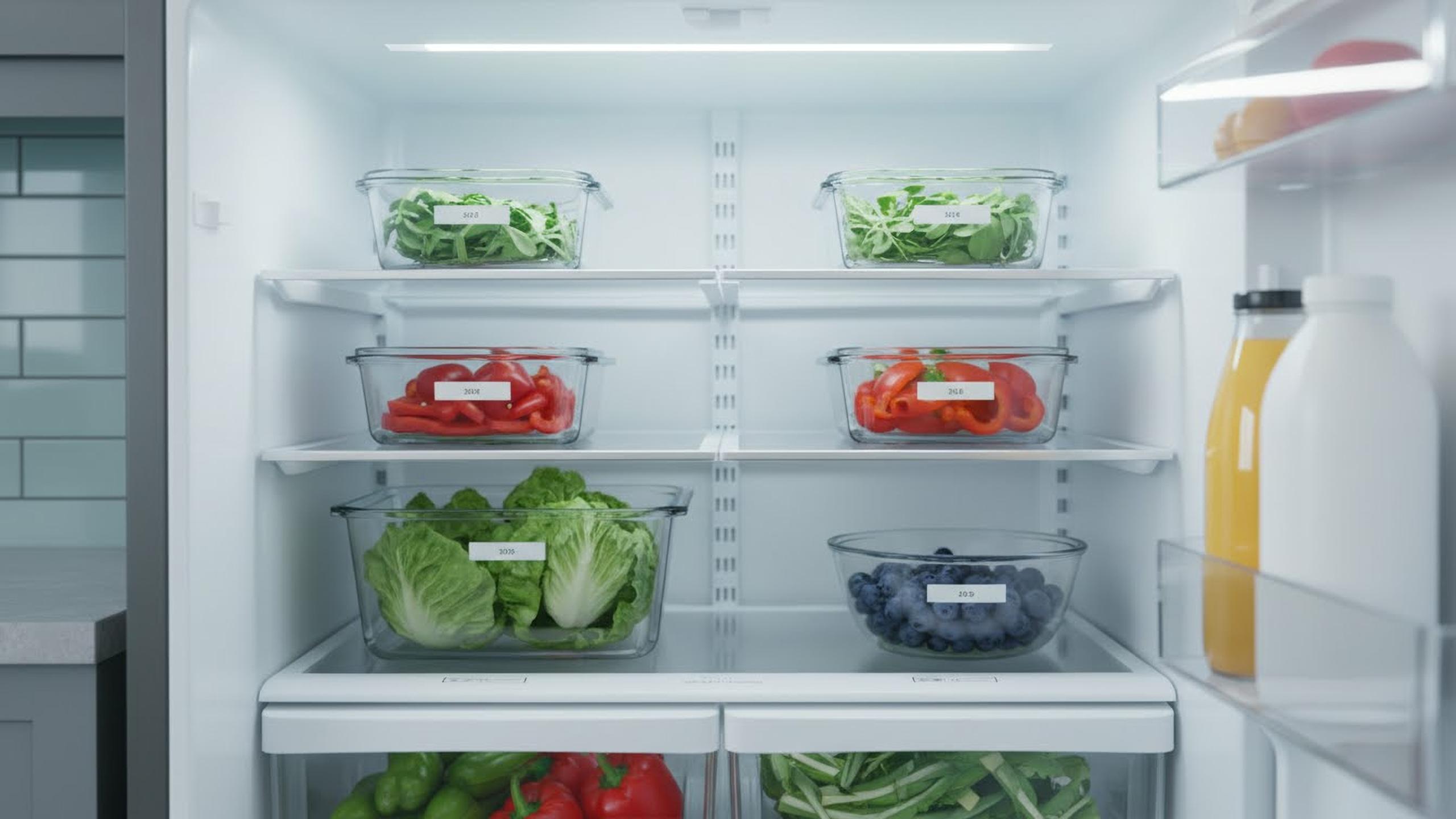
This is non-negotiable: label your food. It’s the single easiest way to prevent accidental (and sometimes intentional) food theft and to know who is responsible for that container of slowly liquifying vegetables. A simple roll of masking tape and a marker pen kept near the fridge is all you need. Encourage everyone to write their name and the date they put the item in the fridge. This not only clarifies ownership but also helps everyone know when food is nearing its end. If you have something you absolutely do not want to be touched, a clear label is your best bet for ensuring it remains yours.
Establish a 'Free-for-All' Zone
One of the most effective tools for preventing food waste and arguments is creating a designated communal space or a 'free-for-all' shelf. This is the spot for items that are up for grabs. Maybe you bought a snack you didn't like, have leftovers from a party, or are about to leave for a holiday and want your food to be eaten rather than thrown away. When you leave items in this zone, you're giving clear permission for anyone to take them. This simple system can drastically reduce the guilt of throwing away good food and the temptation for others to 'borrow' items from your personal stash. It also works for shared staples like milk or bread that are about to expire.
The Cleaning Rota: Make It Official
A dirty fridge is a source of odours, bacteria, and resentment. Don't assume someone else will handle it. The most effective solution is a scheduled cleaning rota. Agree on a regular clean-out day, perhaps weekly or bi-weekly. This day should be announced in advance so everyone has a chance to rescue their items. The rule should be simple: anything left in the fridge that is expired, unlabelled, or clearly abandoned gets tossed. Rotate who is responsible for wiping down the shelves and drawers. When everyone knows it's a shared responsibility, it prevents the burden from falling on one person and keeps the space hygienic for everyone.
Handling Conflict: The Gentle Nudge
Even with the best agreement, rules will be broken. Someone will forget to clean up a spill or will 'borrow' your drink. The key is how you address it. Avoid passive-aggressive notes. Instead, opt for direct but gentle communication. A simple, non-accusatory message like, "Hey, someone seems to have left a leaky container in the fridge, could everyone check their items?" is often enough. If a specific person is the issue, talk to them privately. Use "I" statements, such as, "I feel frustrated when I can't find space for my groceries," instead of, "You always take up too much room." The goal is to solve the problem, not to win an argument.