


A Royal and Rugged History
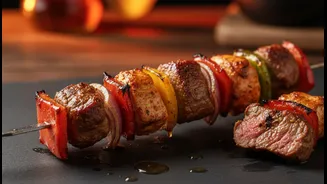
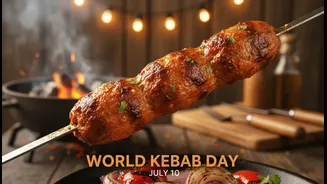
The story of the kebab in India is steeped in history, tracing back to medieval soldiers who reportedly grilled meat on their swords over open fires. This practical meal for warriors was elevated to an art form in the royal kitchens of the Mughal Empire,
where chefs infused chunks of meat with complex marinades of yoghurt, spices, and ghee. From the melt-in-your-mouth Galouti kebab, supposedly created for a toothless Nawab in Lucknow, to the spicy varieties of Hyderabad, kebabs became synonymous with a rich, meat-centric culinary heritage. For centuries, the kebab was an undisputed symbol of lavish, non-vegetarian feasting.
The 'Risky' Vegetarian Kebab
For years, the concept of a 'vegetarian kebab' was treated as a culinary contradiction, a mere afterthought on menus dominated by their meaty counterparts. Dishes like Hara Bhara Kebab and Dahi Ke Kebab, while delicious, were often seen as a compromise for vegetarian guests rather than a celebrated dish in their own right. They were the safe, predictable options, born out of necessity in a country with a significant vegetarian population but lacking the prestige of their non-vegetarian namesakes. The 'risk' wasn't about taste, but authenticity; for a dish so deeply rooted in meat, the vegetarian version felt like a pale imitation.
The Rise of the Flexitarian Palate
The past decade has witnessed a quiet revolution in the Indian diet. A growing number of people, particularly in urban centres, now identify as 'flexitarians' — those who primarily eat a vegetarian diet but occasionally include meat. This shift is driven by a desire for healthier lifestyles, increased variety, and a growing awareness of food's environmental impact. Research shows a significant portion of the non-vegetarian population in India also regularly consumes plant-based meals. This evolving mindset created the perfect environment for vegetarian dishes to move from the sidelines to the center of the plate. Consumers were no longer just seeking a substitute, but actively exploring innovative and flavourful plant-forward options.
From Single Dish to Snack Board Utility
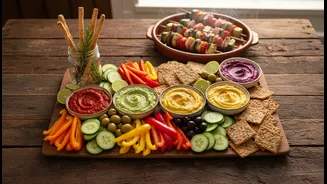
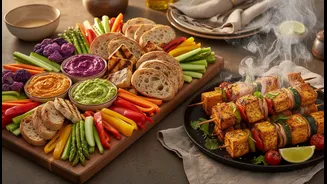
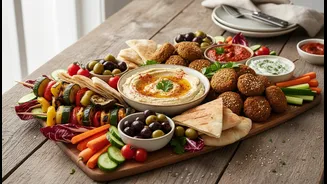
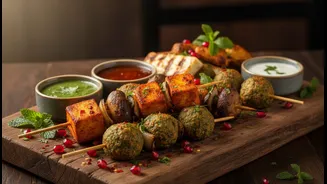
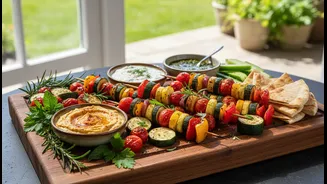
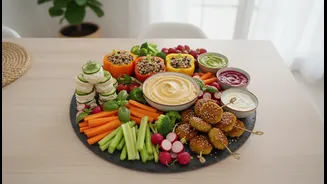
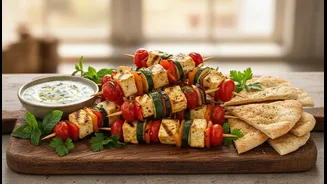
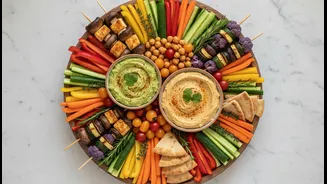
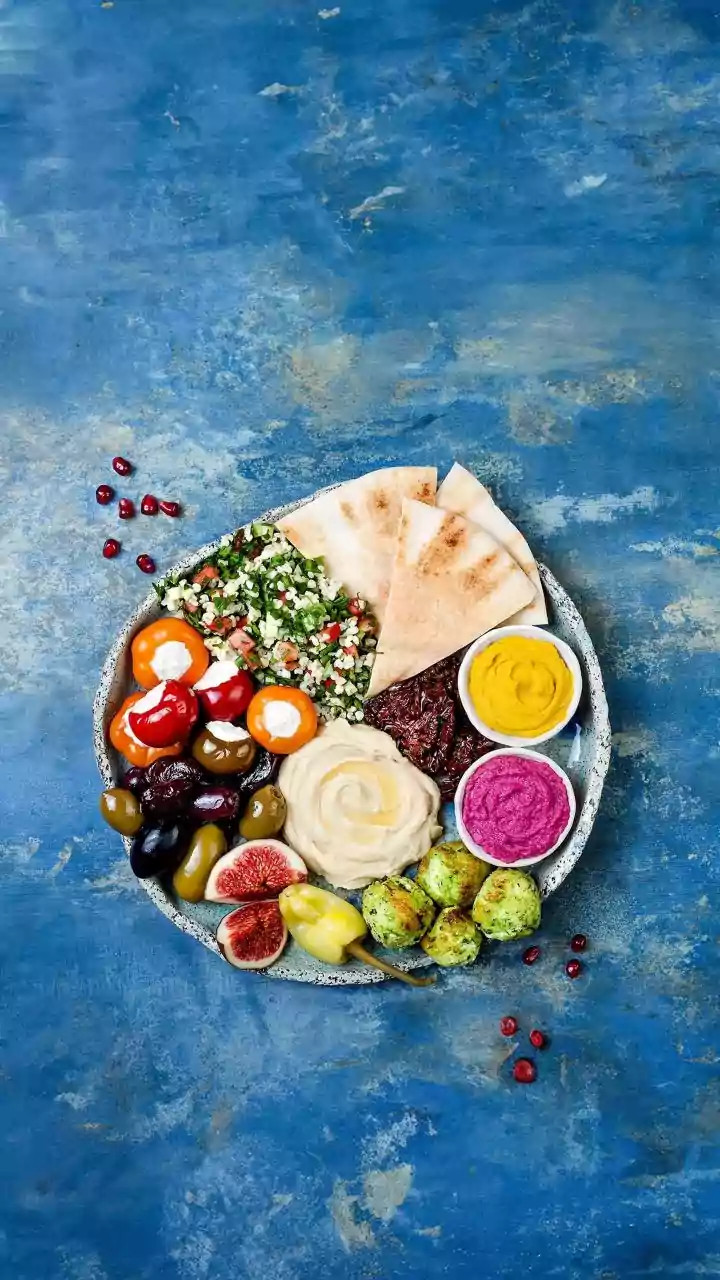
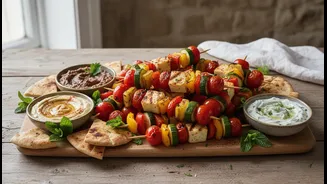
Enter the grazing board. This global trend, which involves arranging a variety of snacks, cheeses, and dips on a platter, has found a vibrant new expression in India. Hosts and restaurants began creating 'desi charcuterie' and snack boards laden with everything from mini samosas and dhoklas to a colorful assortment of kebabs. This format turned out to be the perfect vehicle for the vegetarian kebab's elevation. Suddenly, it wasn't just about one type of kebab; it was a platter showcasing a diverse range. A modern vegetarian kebab board might feature Paneer Tikka, mushroom galoutis, beetroot kebabs, and soya seekh kebabs, all nestled alongside various chutneys, dips, and breads. This provides utility: it's visually appealing, encourages social and interactive dining, and effortlessly caters to diverse dietary preferences at any gathering.
A Story of Culinary Innovation
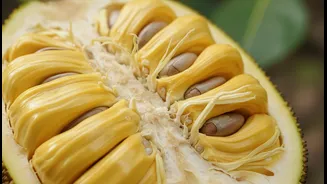
The bigger story of the vegetarian kebab board is one of incredible culinary innovation. Indian cuisine has always been adaptive, and chefs are now treating vegetables with the same reverence once reserved for meat. Jackfruit is being used to replicate the texture of pulled meat, lotus root is transformed into crisp patties, and an entire universe of vegetables like raw banana, sweet potato, and corn are being spiced and shaped into succulent kebabs. This isn't about simply replacing meat; it's about exploring the inherent potential of plant-based ingredients to create dishes that are complex, delicious, and desirable on their own terms. The vegetarian snack board celebrates this ingenuity, proving that a kebab's soul lies in its spices and technique, not just its primary ingredient.