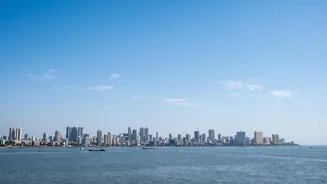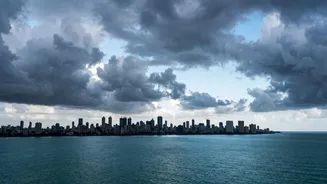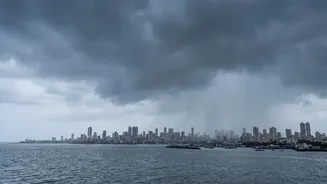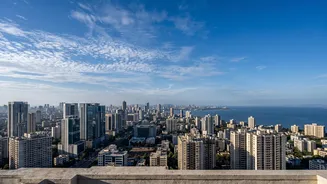



An Eerily Quiet City
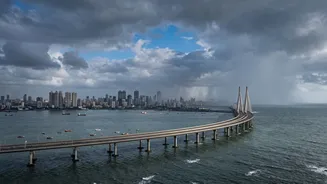
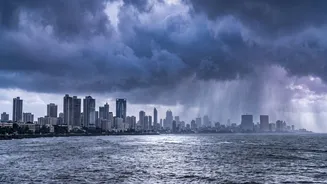
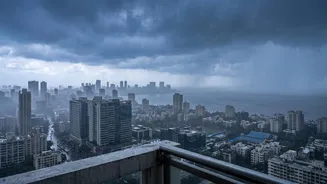
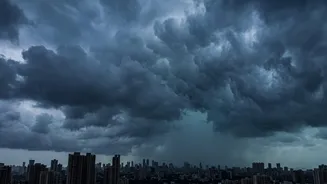
For Mumbaikars, the monsoon is a season of extremes. It is a period of both profound relief from the sweltering summer heat and immense disruption. This year, however, has been different. The usual deluge that halts local trains, floods low-lying areas,
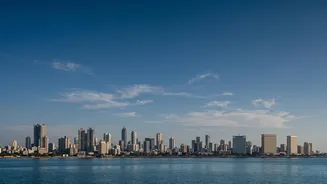
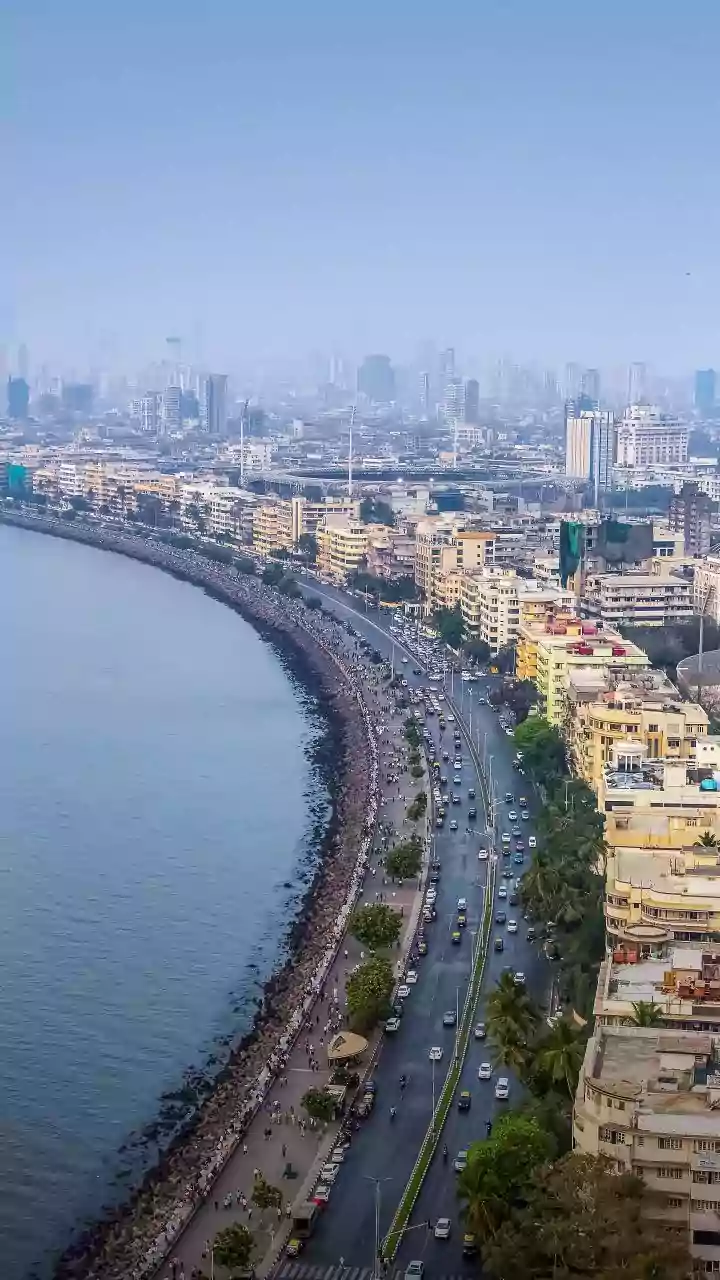
and sends citizens wading through knee-deep water has largely been absent. Instead, the city has experienced a subdued version of its most dramatic season. Pedestrians walk with umbrellas that are often more of a precaution than a necessity. The constant, oppressive dampness has given way to lighter, more manageable spells of rain. While the respite from daily travel chaos is welcome, this unusual quiet has created a different kind of unease—a city accustomed to fighting floods is now anxiously looking to the skies, hoping for more rain.
The Numbers Behind the Dry Spell
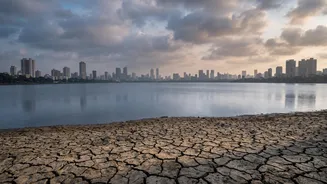
The feeling on the streets is backed by hard data. The India Meteorological Department (IMD) has noted that rainfall in August has been significantly deficient. For instance, from August 1 to 25, Mumbai received only about 28% of the rainfall it got during the same period last year. This is part of a broader, worrying trend for the country, with India on track for its weakest monsoon since 2009, potentially ending the season with a deficit of around 15% below the long-term average. The El Niño effect is being cited as a primary driver for the weakened monsoon. While July offered a brief reprieve with near-normal rainfall, August has seen the monsoon weaken again, and forecasts for September suggest the deficit could widen further.
The Double-Edged Sword of Water Supply
The most significant consequence of a weak monsoon is its impact on Mumbai’s water supply. The city is fed by seven lakes, and their water levels are a constant source of public and official scrutiny. As of late August, the combined water stock in these reservoirs stood at 95.84% of their total capacity. While this figure seems high, it is slightly lower than the levels recorded at the same time last year. This has made the Brihanmumbai Municipal Corporation (BMC) cautious. Earlier in the year, when lake levels dropped critically, the BMC had to implement water cuts to conserve the remaining supply. Even with the lakes now nearly full, the civic body has decided to continue with a 10% water cut as a precautionary measure, mindful that the monsoon season is drawing to a close and reserves must last for many months.
A Cautious Outlook
The subdued showers have presented a strange paradox. The city has enjoyed a relatively hassle-free August, with fewer disruptions to public transport and daily life. The usual litany of complaints about potholes and flooded underpasses has been quieter. However, this short-term gain comes with a long-term risk. Officials are not celebrating. The focus has shifted from managing floods to managing scarcity. The BMC’s decision to maintain water cuts despite high lake levels underscores this cautious strategy. They are closely monitoring the remaining days of the monsoon season, hoping for a few more strong spells of rain to secure the city's water supply for the coming year. The IMD's forecast of light to moderate rain for the rest of the week offers little hope for a dramatic turnaround.