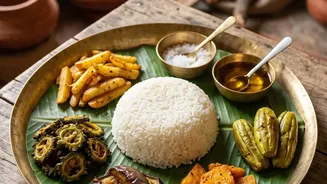




That familiar mid-morning energy crash can often be traced back to your breakfast bowl. While quick and convenient, many popular cereals lead to a spike and dip in energy, leaving you sluggish. A switch to traditional Indian breakfasts may hold the key.
The Sugary Cereal Cycle
Many breakfast cereals, especially those marketed to children, are high in refined carbohydrates and added sugars. When consumed, these simple sugars are absorbed into the bloodstream very quickly, causing a rapid spike in blood glucose. In response, your pancreas releases a surge of insulin to help move this sugar into your cells for energy. However, this process is often too efficient; the insulin rush can cause your blood sugar to drop sharply, sometimes even below pre-meal levels. This is the 'sugar crash', which can leave you feeling tired, irritable, and struggling to concentrate just a few hours after your meal.
The Science of Sustained Energy
Consistent energy relies on stable blood sugar. This is achieved by eating meals that contain complex carbohydrates, protein, and fibre. Unlike simple sugars, complex carbohydrates, found in whole grains and vegetables, are made of longer chains of sugar molecules that take more time to break down. This leads to a slower, more gradual release of glucose into the bloodstream. Protein and fibre further slow down digestion, promoting a feeling of fullness and preventing the sharp energy peaks and valleys associated with high-sugar foods. A breakfast that balances these elements provides a steady supply of fuel for your body and brain.
India's Breakfast Champions
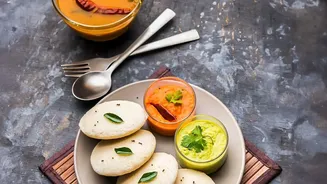
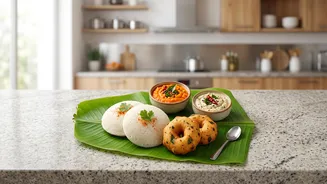
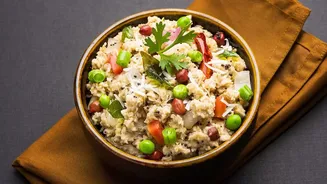
Traditional Indian breakfasts are often naturally designed for sustained energy. Options like Poha, Upma, and Idli are prime examples. Poha, made from flattened rice, is a light carbohydrate that, when cooked with vegetables and peanuts, becomes a balanced meal with added fibre and protein. Upma, a savoury porridge typically made from semolina (rava), is a source of complex carbs that provides a steady release of energy. Including plenty of vegetables boosts its fibre content. Idli, a steamed cake made from a fermented batter of rice and lentils (urad dal), is easy to digest and provides both carbohydrates and protein. The fermentation process can also increase the bioavailability of nutrients and introduce beneficial probiotics.
The Power of Protein and Pulses
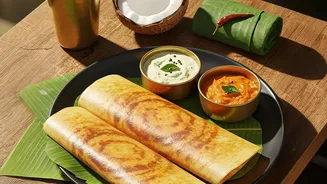
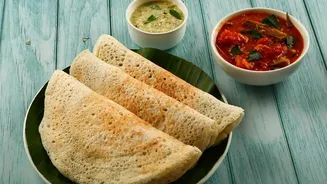
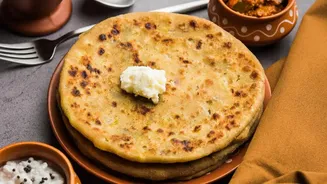
What truly sets many Indian breakfasts apart is the integration of protein-rich pulses and dairy. Dishes like Moong Dal Chilla (a savoury pancake made from lentils) or a side of Sambar (a lentil-based stew) with Idli or Dosa add a significant protein punch. Protein is crucial for satiety, helping you feel full and satisfied for longer, which reduces the urge for mid_morning snacking. Adding a side of curd (yoghurt) to a paratha or having paneer bhurji (scrambled cottage cheese) can also dramatically increase the protein content of your morning meal, further helping to stabilise blood sugar and sustain energy levels.
Making a Smart Swap
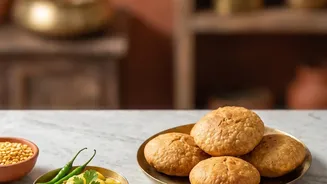
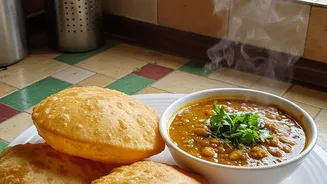
Making the switch from a sugary cereal doesn't have to be complicated. While some Indian breakfasts require preparation, many are surprisingly quick. Poha and upma can be made in under 20 minutes. You can also prepare batters for dishes like dosa, idli, or chilla in advance. It's important to be mindful of how they are prepared; a deep fried puri will not offer the same benefits as a steamed idli. The goal is to focus on balanced preparations that are steamed, lightly sautéed, or griddled with minimal oil and include a good mix of grains, vegetables, and a protein source to get the full energy stabilising benefits.