





The Seeds of an Industry
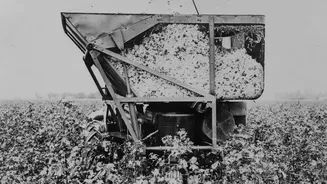
The story of Coimbatore's textile dominance begins with its geography. The region is blessed with rich, black soil, which is perfectly suited for cotton cultivation. For centuries, this natural advantage made the area, then known as Kongu Nadu, a significant
centre for cotton farming and handloom weaving. The nearby Noyyal River provided a vital water source, and its strategic location on ancient trade routes, including one used by Roman traders, established its importance early on. This combination of fertile land and connectivity laid the essential groundwork for a textile boom that would redefine the city's identity.
The Dawn of the Mills
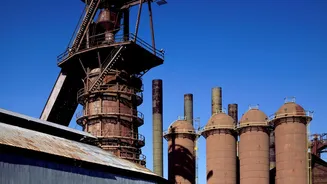
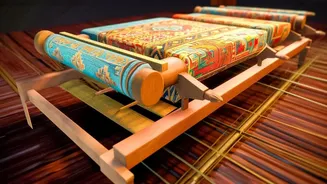
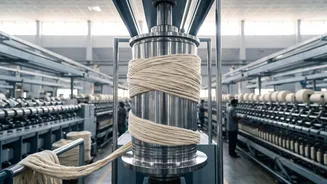
While handloom weaving was the backbone of the local economy for generations, the industrial revolution brought a new era of mechanisation. The first major step towards industrialisation was the establishment of the Coimbatore Spinning and Weaving Mills in 1888 by Sir Robert Stanes. This marked a pivotal shift from traditional methods to large-scale factory production. The growth was further accelerated in the 1930s with the arrival of hydroelectric power from the Pykara project, which provided abundant and cheap electricity. This spurred local entrepreneurs and agrarian families, who saw spinning as a natural extension of their cotton farming, to establish numerous mills. Visionaries like the PSG Brothers and G. Kuppuswamy Naidu founded iconic mills like Sri Ranga Vilas Mills and Lakshmi Mills, respectively, transforming the city's landscape.
Becoming the 'Manchester of South India'
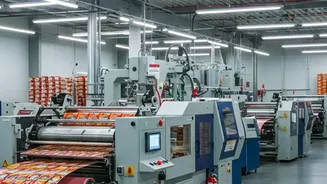
The nickname 'Manchester of South India' isn't just a casual compliment; it's a direct comparison to Manchester in the UK, the heart of the global textile industry during the Industrial Revolution. Coimbatore earned this title due to its sheer concentration of textile-related activities. The city became a powerhouse not just for spinning yarn but for the entire textile value chain. It houses thousands of small, medium, and large-scale industries involved in spinning, weaving, processing, and manufacturing finished garments. This created a self-sustaining ecosystem where the growth of mills led to the development of an ancillary industry for manufacturing textile machinery, making Coimbatore a world leader in that sector as well.
The Fabric of a City
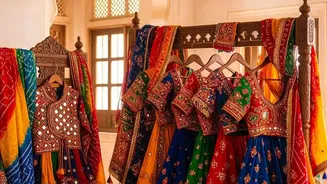
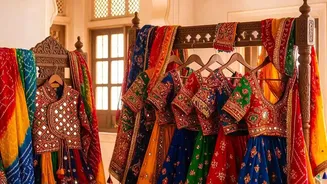
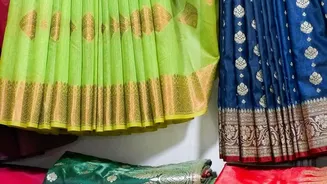
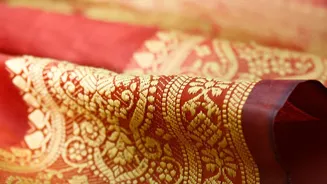
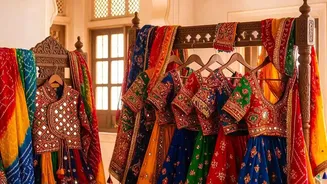
The textile industry is more than just an economic driver for Coimbatore; it is woven into the very fabric of its culture and identity. The industry created immense employment opportunities, drawing people from across the region and shaping the city's demographics. The success of the mills funded the establishment of premier educational institutions, further cementing the city's reputation for excellence. Even specific textiles, like the Kovai Cora Cotton saree, have become cultural symbols. This unique fabric, a blend of silk and cotton, received a Geographical Indication (GI) tag, recognizing its deep roots in the region's craftsmanship. The legacy of weaving communities like the Devanga Chettiars, who migrated to the region centuries ago, continues to influence the city's textile traditions.
Weaving a Modern Future
Today, Coimbatore's textile industry continues to evolve. While it remains a dominant force in cotton spinning, accounting for a significant portion of India's capacity, the focus is shifting. Manufacturers are increasingly exploring value-added products, sustainable practices, and innovative materials like recycled fibers. The industry is also making a significant push into technical textiles—specialized fabrics for medical, industrial, and other applications—with the government establishing Centers of Excellence in the city. However, the industry faces modern challenges, including rising production costs and competition from power looms. Despite these hurdles, recent investments in modernisation and a revival in demand show that the textile sector is adapting, ready to spin the next chapter of its illustrious history.