






The Gentle Power of Cat-Cow
Cat-Cow is a dynamic sequence that involves moving between two postures to warm up the body and increase spinal flexibility. It’s praised by instructors as a perfect starting point for any practice. The 'Cow' pose (Bitilasana) involves dropping the belly
and lifting the chest to create a gentle arch in the back, while the 'Cat' pose (Marjaryasana) involves rounding the spine towards the ceiling. The benefits are numerous: it relieves tension in the back, neck, and shoulders, improves posture, and enhances blood circulation in the spine. When synced with breath, this simple flow becomes a calming, meditative movement that stimulates abdominal organs and soothes the mind.
Finding Your Correct Form
Proper alignment is key to unlocking the benefits of Cat-Cow safely. Begin on all fours in a 'tabletop' position. Your hands should be directly under your shoulders, and your knees directly under your hips. Spread your fingers wide to distribute weight evenly across your palms, which helps protect your wrists. Keep your neck as a natural extension of your spine, with your gaze toward the floor. To begin the flow, inhale as you drop your belly, lift your chest and tailbone, and look slightly forward into Cow pose. As you exhale, tuck your chin to your chest, press the floor away, and round your spine upward into Cat pose. The movement should be slow and deliberate, led by your breath.
The Danger of Pushing Too Far
The primary mistake beginners make is forcing the movement in an attempt to achieve a deeper stretch. This often involves jamming the neck back in Cow pose or aggressively crunching the chin to the chest in Cat pose. Forcing an extreme arch can compress the vertebrae in the lower back, while over-rounding can strain the neck and upper back. Yoga is not a competitive sport; the goal isn't to create the most dramatic shape possible. Instead, it’s about mindful movement within your own range of motion. Pushing beyond what feels comfortable can lead to sprains, strains, or aggravate existing back issues. The principle of 'ahimsa', or non-harming, is central to yoga, and that includes not harming your own body by pushing past its limits.
Listen to Your Body's Signals
Pain is a signal to stop, not to push through. During Cat-Cow, the sensation should be one of a gentle stretch and release, not sharp discomfort. If you feel any pinching or pain, ease off and make the movement smaller. The beauty of this pose lies in its subtlety. A small, controlled movement linked to breath is far more beneficial than a large, forced one. It's crucial to distinguish between the feeling of a muscle stretching and the feeling of joint pain. True progress in yoga comes from self-awareness and respecting your body's current abilities, which can change daily.
Modifications for Every Body
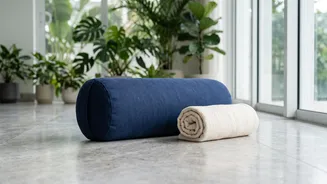
Cat-Cow should be accessible to everyone, and simple modifications can help. If you have sensitive wrists, you can place your forearms on the floor or on blocks instead of your palms. Another option is to make fists and rest your weight on your knuckles. For sensitive knees, placing a folded blanket or cushion underneath them can provide immediate relief. The entire sequence can also be done while seated in a chair. Sit tall with your hands on your knees and perform the same spinal movements, inhaling to arch your chest forward and exhaling to round your back. This takes all the pressure off your wrists and knees while still providing the core benefits of spinal mobilization.