
Puttu and Kadala Curry: A Breakfast Steamed in History
A staple breakfast across the state, Puttu is a deceptively simple dish of steamed cylinders of ground rice layered with fresh coconut. Its history is a topic of friendly debate; while some credit Portuguese sailors for the convenient recipe, mentions
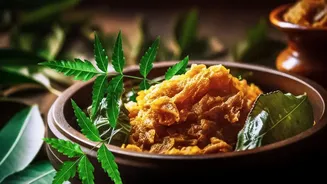
of Puttu appear in Tamil literature dating back to the 15th century. Traditionally cooked in a bamboo tube or a special steamer called a 'puttu kutti', this dish was a nutritious and portable meal for farmers and laborers. The magic, however, is in its pairing with Kadala Curry, a robust and spicy black chickpea gravy. The soft, crumbly texture of the Puttu soaking up the aromatic curry is a quintessential Kerala experience, representing the simplicity and ingenuity of its everyday cuisine.
Appam and Stew: The Gentle Embrace of Fusion
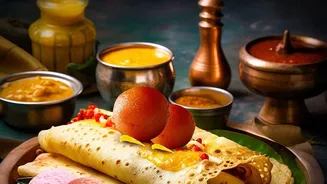
Appam is a work of art—a bowl-shaped, fermented rice pancake with a soft, spongy centre and delicate, crispy lace-like edges. Its origins are traced through various communities, including Jewish settlers and Syrian Christians, for whom it is a festive breakfast staple, especially on Christmas mornings. This culinary gem is most famously paired with Ishtu, or stew. The name itself is a local adaptation of the English word 'stew', hinting at a colonial past. Unlike fiery curries, the stew is a mild, fragrant concoction of vegetables or meat simmered in coconut milk with gentle spices like cinnamon and cloves. This pairing beautifully demonstrates Kerala's ability to absorb foreign influences, adapting European cooking techniques with local ingredients like coconut milk instead of dairy, creating a dish that is comforting and uniquely its own.
Thalassery Biryani: A Spice Route Legacy
While many regions in India have their own biryani, the Thalassery version from the Malabar coast is in a class of its own. It stands apart by using a unique, short-grain, aromatic local rice called Jeerakasala or Kaima, instead of the more common Basmati. Its story is deeply entwined with the Mappila (Malabar Muslim) community and the centuries-old spice trade. Arab merchants who settled on the coast brought their culinary traditions, which then blended with local flavors and Mughal influences from the north. This biryani is known for its delicate balance of spices, with the aroma of the rice playing a starring role. It is cooked using the 'dum' method, where the pot is sealed to allow the meat and rice to cook in their own steam, infusing every grain with flavor. More than a dish, it is a symbol of celebration in the Malabar region, central to weddings and festivals.
Karimeen Pollichathu: A Backwater Treasure
From the serene backwaters of Kerala comes Karimeen Pollichathu, a dish that celebrates the state's prized local fish, the pearl spot or 'Karimeen'. The preparation is a spectacle in itself: the fish is marinated in a vibrant paste of spices like chilli, turmeric, and pepper, then lightly fried. It is then smothered in a thick, flavourful onion and tomato masala, wrapped tightly in a banana leaf, and pan-fried or grilled. Cooking in the banana leaf steams the fish and the masala together, infusing the Karimeen with an earthy aroma and a smoky flavour that is simply unforgettable. Traditionally considered a Syrian Christian delicacy, it has been embraced across Kerala and is a must-try for any seafood lover visiting the region.