





Understanding the 2026 Orionids
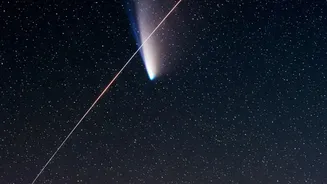
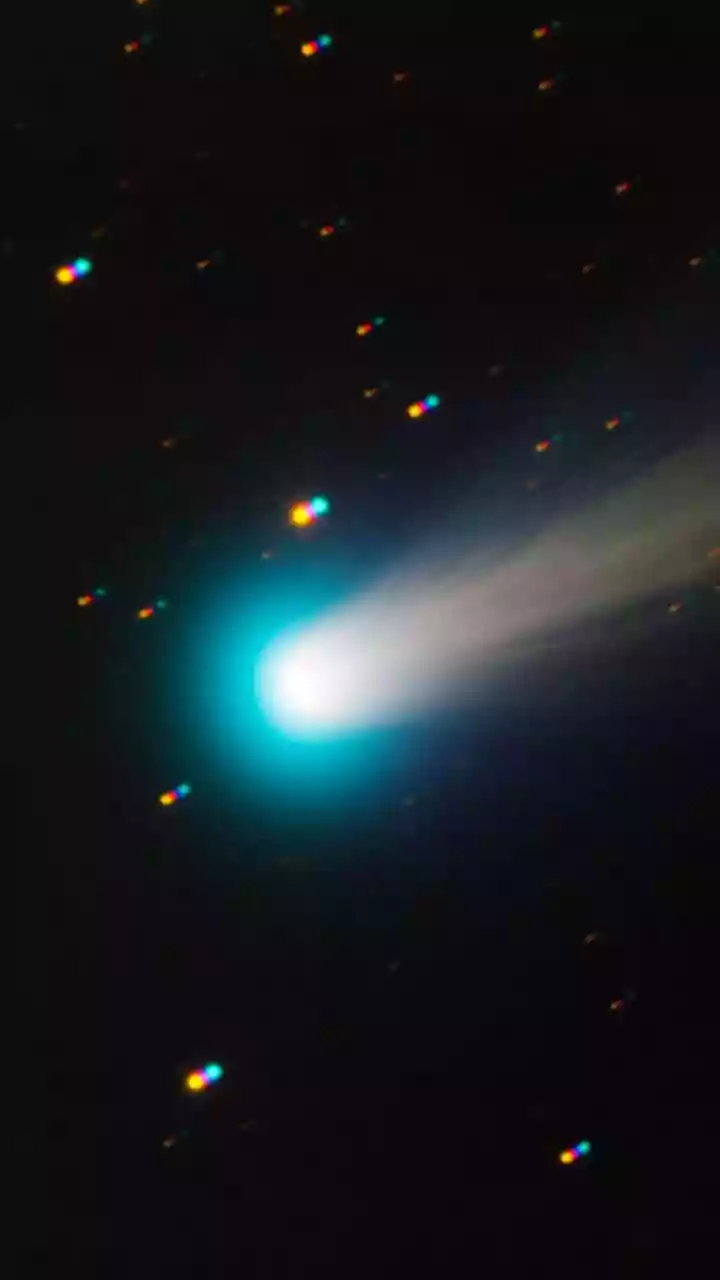
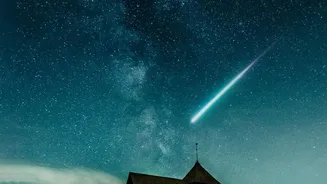
The Orionid meteor shower is one of the most beautiful celestial events of the year, known for its fast, bright meteors. These shooting stars are actually tiny fragments of ice and dust from Halley's Comet that burn up upon entering Earth's atmosphere
at incredible speeds. In 2026, the shower will peak on the night of October 21-22. Under ideal conditions, you might see up to 20 meteors per hour. The shower is visible from both the Northern and Southern Hemispheres, making it an accessible event for skywatchers across India. The meteors will appear to radiate from the constellation Orion, but you don't need to look directly at it; in fact, the most spectacular, long-streaked meteors often appear further away from this point.
Rule #1: Escape the City Lights
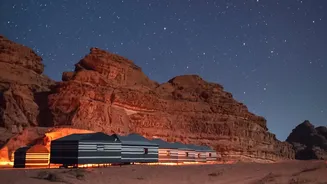
The single most important factor for a good viewing experience is getting away from light pollution. The glow from cities, towns, and streetlights washes out the night sky, making all but the brightest meteors invisible. For the best experience, you need to find a location that is genuinely dark. This usually means driving at least an hour or two away from major urban centres. Think of rural areas, farmlands, or designated parks that are far from population hubs. The goal is to find a spot where the sky is dark enough to see thousands of stars, not just a handful. In India, this might mean heading towards the outskirts of your city or planning a short trip to a less developed area.
Seek Higher Ground and Clear Horizons
Altitude can be your best friend when stargazing. Higher elevations generally mean a thinner, cleaner, and more stable atmosphere, which results in a clearer view of the sky. This is why many of India’s premier astronomical observatories are located on mountains. Locations in the Himalayas, like those in Ladakh and Spiti Valley, offer world-class stargazing conditions. But you don't need to travel to the Himalayas. Hill stations in the Western Ghats, such as Coorg or Kodaikanal, also provide a significant advantage over the plains. Just as important as altitude is an unobstructed horizon. Find an open field, a lakeside, or a hilltop with a wide-open view of the sky, free from tall trees or buildings that could block your line of sight.
Check the Weather and the Moon
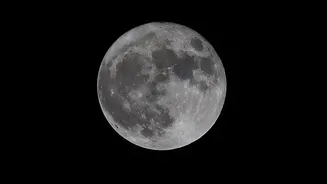
Before you head out, check two crucial forecasts: the weather and the moon phase. A cloudy sky will completely ruin any meteor shower viewing. Aim for a night with clear, cloudless conditions. The Moon is the other major source of natural light pollution. During the 2026 Orionids peak, there will be a bright waxing gibbous moon in the sky for much of the night, which will unfortunately reduce visibility. However, there's good news: the moon will set a few hours before dawn on the peak mornings, leaving a window of dark sky perfect for watching the show. The best time to view will be in these pre-dawn hours.
Settle In and Be Patient
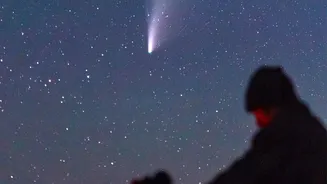
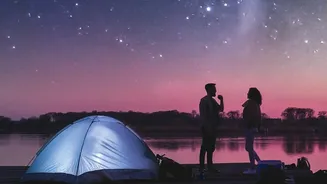
Once you've found your perfect dark-sky location, the final step is to give yourself time. Your eyes need about 20 to 30 minutes to fully adapt to the darkness. During this time, avoid looking at any bright lights, especially your phone screen, as it will reset your night vision. Many stargazing apps have a red-light mode to help preserve it. Meteor watching is a waiting game. Get comfortable with a blanket or a reclining chair, lie back, and simply look up, taking in as much of the sky as possible. Don't fixate on one spot. The meteors can appear anywhere. With a little planning and a lot of patience, you'll be rewarded with one of nature's most spectacular light shows.