





A Paradise Under Pressure
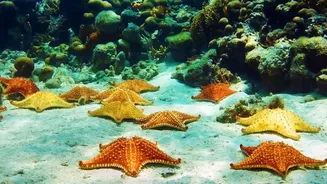
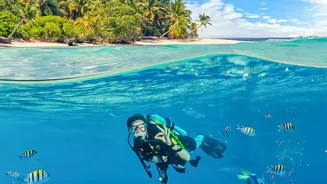
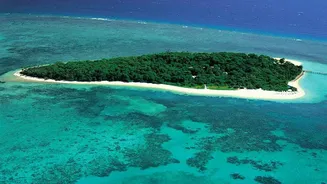
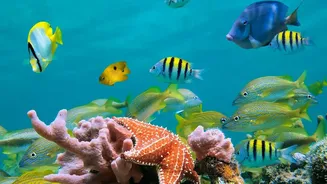
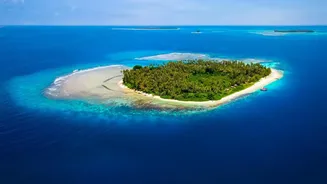
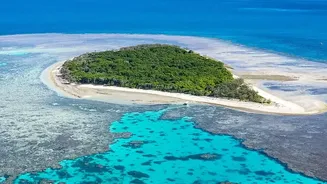
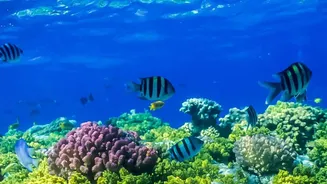
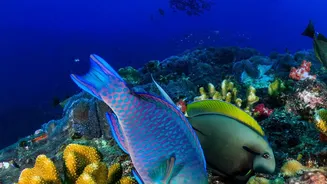
The Lakshadweep archipelago is India's only coral atoll system, a chain of 36 islands boasting some of the most vibrant marine biodiversity in the Indian Ocean. These reefs are not just beautiful; they are a natural barrier protecting the islands from
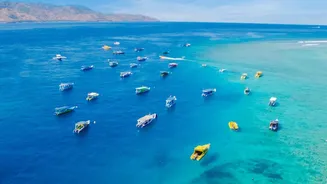
erosion and storms, and they support the local fishing and tourism economies. However, an increase in tourism and vessel traffic has brought a surge in waste. Plastic waste, sewage, and other pollutants pose a direct threat to the health of the corals, which are highly sensitive to changes in water quality. Studies have revealed an alarming presence of microplastics in the waters, and improper waste disposal has led to garbage accumulating on beaches and in the pristine lagoons, endangering marine life.
The Regulatory Framework
Recognizing the urgency, the Lakshadweep administration, through bodies like the Lakshadweep Pollution Control Committee (LPCC), has implemented a series of rules based on national and international maritime laws. These regulations are designed to prevent any discharge of untreated waste from boats into the sea. This includes a zero-tolerance policy for dumping solid waste, plastics, and oily residues. The rules are aligned with the International Maritime Organization's (IMO) MARPOL convention, which sets global standards for preventing pollution from ships. The administration has also instituted local bye-laws, such as banning polythene carry bags and establishing specific guidelines for handling different types of waste, from biodegradable materials to hazardous e-waste.
Enforcement on the Water
Enforcement begins before a boat even sets sail. All vessels operating in Lakshadweep, from small tourist boats to larger passenger ships, are subject to rigorous inspections. The Department of Port, Shipping & Aviation plays a crucial role in overseeing maritime transport and ensuring compliance. Boats are required to be fitted with specific pollution-control equipment. This includes sewage treatment plants (STPs) for treating blackwater (from toilets) and greywater (from sinks and showers) before it is discharged. Vessels must also have holding tanks to store waste that cannot be treated onboard. Inspections verify that this equipment is functional and properly maintained. Any ship found contravening the requirements can be detained until the issues are rectified.
A Shore-Based Support System
Managing waste on boats is only half the battle; disposing of it responsibly is the other. To facilitate this, the administration is working on establishing adequate reception facilities at its ports. These facilities are designed to collect the waste stored in the holding tanks of the vessels, including solid garbage, oily residues, and sewage sludge. Once collected on shore, the waste is supposed to be segregated and managed according to the Solid Waste Management Rules. While the system is in place, challenges remain. Reports from recent years indicate that the infrastructure for managing the collected waste on the islands is under strain, with open dumping yards and delays in transporting non-biodegradable waste to the mainland for recycling or disposal being major concerns.
The Path to Sustainable Seas
The effort to control boat-based pollution is part of a larger vision for sustainable tourism in Lakshadweep. The rules are not just about punishment; they are about fostering a culture of environmental responsibility among boat operators, residents, and tourists alike. Picking corals or harming marine life is a punishable offense, and tour operators emphasize these rules to visitors. While there is evidence that the reefs have shown resilience, particularly where fishing pressure is low, continuous monitoring and effective management are critical. The challenge is to ensure that the rapid growth in tourism does not outpace the development of robust environmental safeguards.