
The Power of the Gentle Hold
When we think of core work, we often picture rapid, repetitive movements. However, a more mindful approach involves isometric exercises—static holds where muscles are contracted without changing length. This method is incredibly effective for building
deep core strength and endurance. Unlike crunches that primarily target the superficial 'six-pack' muscles (rectus abdominis), holding yoga poses engages the transverse abdominis. This is the deepest layer of your abdominal muscles, acting like a natural corset that wraps around your torso to stabilize your spine and pelvis. By focusing on these stabilizing muscles, you build functional strength that supports better posture, improves balance, and can help prevent lower back pain.
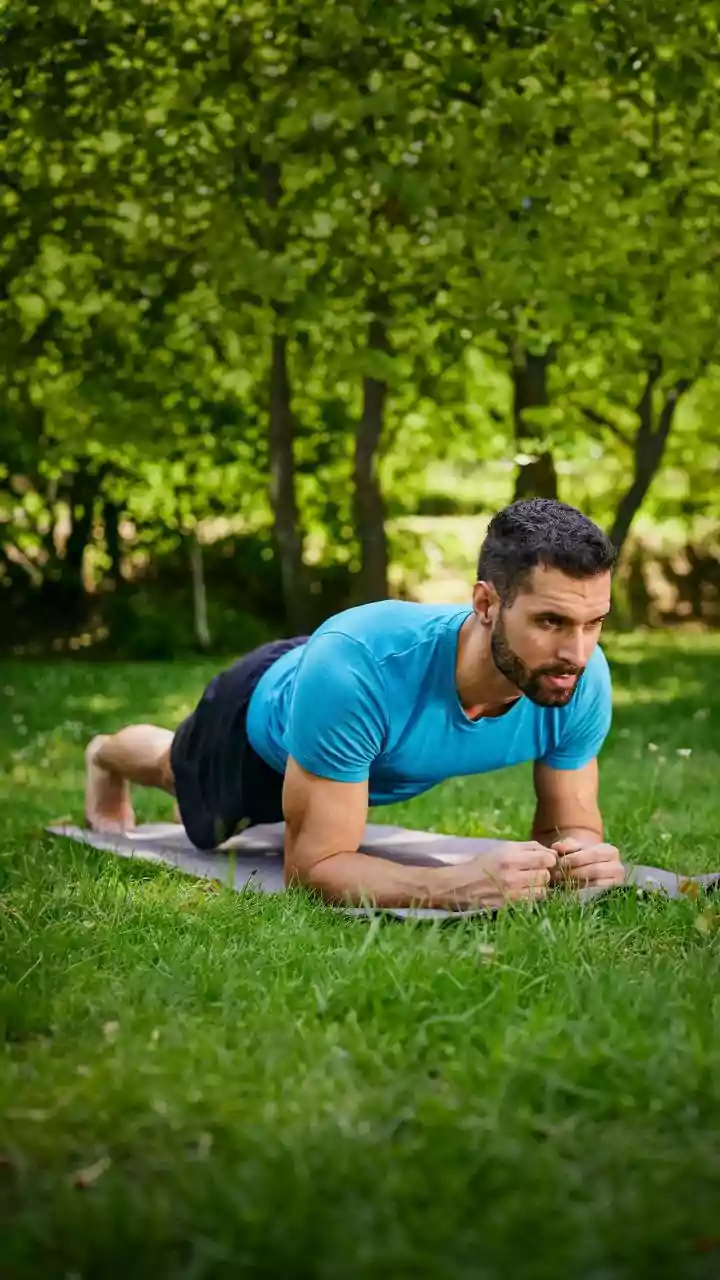
Plank Pose (Phalakasana)
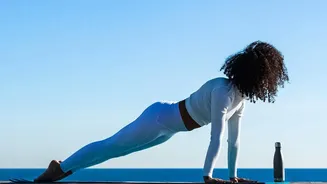
Plank is the quintessential isometric core strengthener for a reason. It recruits muscles throughout the entire body, teaching them to work together to create stability. To perform it correctly, start on your hands and knees, then extend your legs back one at a time. For a classic plank, your hands should be directly under your shoulders. For a forearm plank, place your forearms on the floor with elbows under your shoulders. Your body should form a straight line from your head to your heels. Avoid letting your hips sag or rise too high. The key is to actively engage your core by drawing your navel toward your spine. Squeeze your glutes and thighs to maintain a solid line. Breathe steadily and aim to hold the pose for 30 seconds, gradually increasing the time as you build strength.
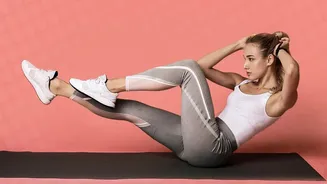
Boat Pose (Navasana)
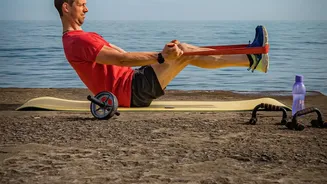
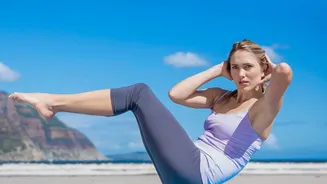
Boat Pose is a challenging seated posture that directly targets the abdominal muscles while testing your balance and focus. To begin, sit on the floor with your knees bent and feet flat. Place your hands slightly behind your hips for support. Engage your core and begin to lean back, keeping your spine long and straight. Lift your feet off the floor, bringing your shins parallel to the ground. This is Half Boat Pose, an excellent starting point. To move into Full Boat Pose, straighten your legs to create a 'V' shape with your torso and legs. Extend your arms forward, parallel to the floor. The goal is to balance on your sit bones. If you feel your lower back rounding, bend your knees again. Hold for five deep breaths, focusing on keeping your chest lifted and your core engaged.
Dolphin Plank Pose
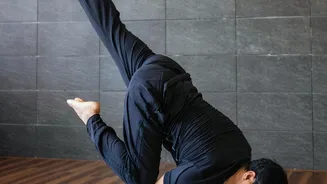
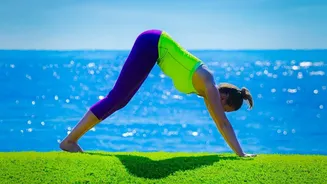
A variation of the standard forearm plank, Dolphin Plank increases the challenge on your shoulders and deep core stabilizers. From a forearm plank position, begin to walk your feet in toward your elbows, lifting your hips up and back, similar to Downward-Facing Dog but on your forearms. Keep your elbows directly beneath your shoulders and press firmly into your forearms to keep your shoulders stable. Continue to draw your lower belly in and up to support your spine. This pose not only strengthens the abs and arms but also provides a great stretch for the shoulders and hamstrings. Hold for 30 seconds, breathing deeply into your upper back and focusing on maintaining the lift in your hips without losing core engagement.
Balancing Table Pose (Dandayamana Bharmanasana)
This pose is a gentler way to build core stability and coordination. Start on all fours in a tabletop position with your wrists under your shoulders and knees under your hips. Engage your core by pulling your navel toward your spine to prevent your back from arching. On an exhale, extend your right arm straight forward and your left leg straight back, keeping both parallel to the floor. Flex your lifted foot and press back through your heel. The challenge is to keep your hips and shoulders level, avoiding any tilting to one side. This requires your deep core muscles to fire to maintain balance. Hold for a few breaths before returning to the start and switching sides. This movement teaches control and stability across the body.