




The Forecast: A High-Impact Weather System
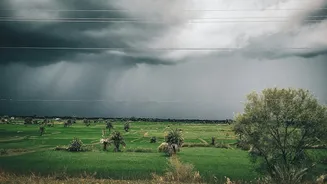
The India Meteorological Department (IMD) is forecasting a period of intense weather for South India, lasting until at least October 20. The main event is the onset of the northeast monsoon, which is arriving just as the southwest monsoon fully withdraws.
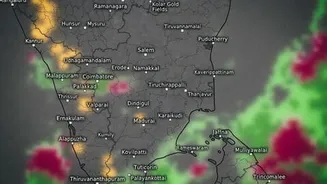
This transition is creating volatile conditions, with forecasts of widespread rainfall, thunderstorms, and gusty winds. States including Kerala, Tamil Nadu, Puducherry, and Karnataka are expected to bear the brunt, with alerts for 'heavy' to 'very heavy' rainfall in isolated areas. Specifically, the IMD has flagged very heavy rainfall for Kerala and Tamil Nadu on October 15, with South Interior Karnataka expecting the same on October 16. The warnings extend to other regions as well, including Coastal Andhra Pradesh, Rayalaseema, and Telangana on subsequent days.
Road Travel: Waterlogging and Landslide Risks
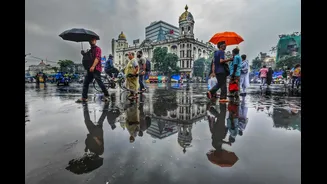
For those travelling by car, bus, or two-wheeler, the primary concerns are waterlogged roads and the potential for landslides. Heavy downpours often lead to inundated streets in urban centres, bringing traffic to a standstill. In hilly and ghat sections, such as those found across the Western Ghats in Kerala and Karnataka, prolonged rain increases the risk of landslides and road blockages. Authorities often close vulnerable routes as a precautionary measure during intense spells. Travellers should anticipate significant delays, check for road closure announcements from local authorities, and reconsider travel through areas with a history of landslides. Driving through flooded roads is extremely dangerous and should be avoided.
Railways: A Strain on Services
The rail network is also highly susceptible to disruption from severe weather. Heavy rain can flood tracks, which can wash away the ballast that supports the rails or damage signalling equipment, leading to widespread delays and cancellations. In past events, waterlogging in major sections has forced the cancellation, diversion, or short-termination of dozens of train services. Restoration work on tracks affected by landslides or flooding can take hours or even days. Passengers with train bookings are advised to closely monitor railway announcements and check the status of their train before heading to the station. Indian Railways typically provides updates through its official website and social media channels.
Air Travel: Delays and Diversions
Air travel is not immune to the effects of heavy monsoon rains. Poor visibility, strong winds, and thunderstorms can make take-offs and landings unsafe, leading to significant flight disruptions. During periods of intense weather, airports in major cities like Chennai, Bengaluru, and Kochi may experience delays as air traffic control slows the rate of arrivals and departures. In some cases, flights may be diverted to other airports until conditions improve. Cascading delays are common; a single morning disruption at one airport can have a knock-on effect on flight schedules across the country for the rest of the day. Airlines generally issue travel advisories and may offer flexible rebooking options during severe weather events.
How to Stay Safe and Informed
If your travel plans involve the affected southern states, the best course of action is to stay informed and prioritize safety. Regularly check updates from the India Meteorological Department (IMD) for the latest weather warnings. For specific travel modes, consult the official sources: the National Train Enquiry System (NTES) for rail, and the websites or apps of your specific airline for flight status. Many local authorities and police departments also provide real-time traffic updates on social media. If possible, consider postponing non-essential travel until the weather system passes. If you must travel, build extra time into your schedule, inform family or friends of your itinerary, and ensure your phone is fully charged.