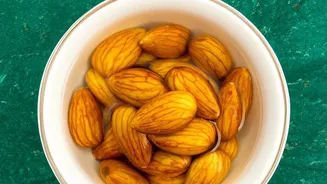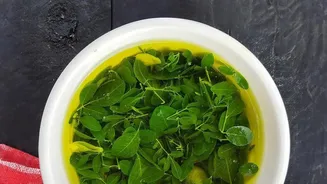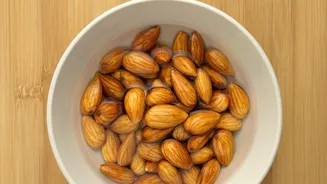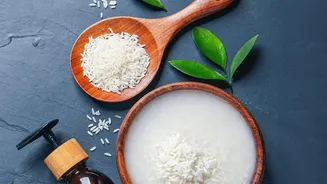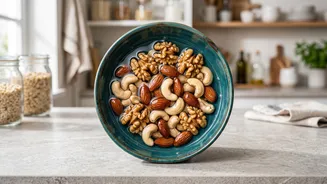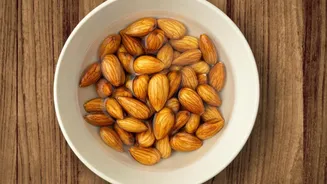



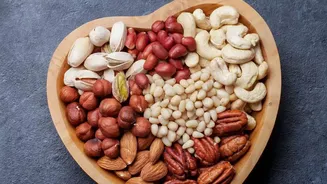

It’s a tip passed down in kitchens for generations: soak your beans, nuts, and seeds before using them. But is there science to this tradition? Absolutely. This simple act does more than just soften them; it unlocks a world of nutritional benefits.
Waking Up the Seed
At
its core, a raw nut, seed, or legume is in a state of dormancy. Nature has equipped it with a brilliant survival kit to ensure it doesn't sprout until conditions are perfect for growth. This 'kit' includes a tough exterior and a series of natural chemical protectors. When we soak them in water, we are essentially mimicking the spring rain, signalling that it's safe to 'wake up' and begin the germination process. This activation is the key to making them more digestible and their nutrients more available to our bodies. Soaking starts to break down complex compounds, effectively pre-digesting the food before it even enters your system.
Neutralising Nature's Defense System
The main reason soaking is so beneficial is its ability to reduce 'anti-nutrients'. These are natural compounds that plants use to protect themselves. The two most significant are phytic acid and enzyme inhibitors. Phytic acid, sometimes called a 'mineral thief', binds to important minerals like iron, zinc, calcium, and magnesium in your gut. This binding action prevents your body from absorbing these crucial nutrients. Enzyme inhibitors, on the other hand, do exactly what their name suggests: they interfere with the digestive enzymes your body produces to break down food. This can put a strain on your digestive system and may lead to bloating, gas, and discomfort for some people.
Unlocking the Nutritional Benefits
By soaking these foods, you initiate a process that neutralises both phytic acid and enzyme inhibitors. The water activates enzymes naturally present in the seed, like phytase, which begin to break down the phytic acid. As the phytic acid degrades, the minerals it was holding onto are released, making them 'bioavailable'—or ready for your body to absorb and use. Simultaneously, deactivating the enzyme inhibitors allows your own digestive enzymes to work more efficiently, breaking down proteins and starches without interference. The result is a double-win: you get more nutrients out of your food and your digestive system has an easier time doing its job. Many people who find raw nuts heavy or hard on their stomach report a much better experience with soaked ones.
A Practical Guide to Soaking
Getting started with soaking is simple. While different nuts, seeds, and legumes have slightly different ideal soaking times, the general principle is the same. Place your raw, unsalted items in a glass bowl and cover them with filtered water. A common recommendation is to use about two parts water for one part nuts or seeds. Some sources suggest adding a pinch of sea salt to the water to help activate the enzymes that break down the inhibitors. Soaking can range from a few hours for smaller seeds to overnight for larger nuts and beans. For example, almonds and walnuts benefit from at least 7-8 hours, while pumpkin seeds need a similar amount of time. It is crucial to always discard the soaking water, as it will contain the anti-nutrients you're trying to avoid. After soaking, rinse the items thoroughly. You can use them immediately in recipes for things like smoothies or nut milks, or you can dry them in a dehydrator or a very low-temperature oven to restore their crunch for snacking.