





Understanding the Enemy: What Are Whiteflies?
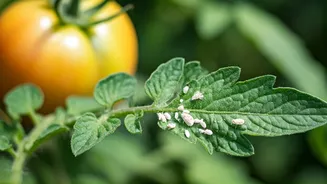
Whiteflies are tiny, sap-sucking insects that cluster on the undersides of leaves, and tomatoes are one of their favorite targets. [7, 15] While they may look like miniature moths, they are more closely related to aphids and mealybugs. [23] They cause
damage in several ways: by sucking the nutrient-rich juices from plant leaves, leading to yellowing, wilting, and stunted growth. [2] As they feed, they excrete a sticky substance called honeydew, which can lead to the growth of sooty mold. [14] Most importantly, they are notorious vectors for plant viruses, such as the Tomato Yellow Leaf Curl Virus, which can devastate a crop. [2, 7] The headline's reference to "infections" points to these secondary viral or fungal diseases spread by the initial pest infestation.
Your Organic Ally: What Is Neem Oil?
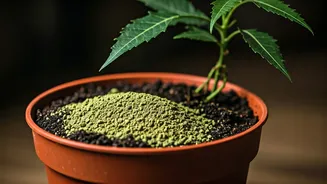
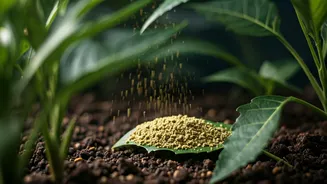
Neem oil is a vegetable oil pressed from the fruits and seeds of the neem tree (Azadirachta indica), a species native to the Indian subcontinent. [12, 24] For centuries, it has been a cornerstone of organic gardening and traditional medicine. [17] Its power as a pesticide comes from several compounds, most notably azadirachtin. [2, 12] This active ingredient makes neem oil a potent, multi-faceted weapon against many garden pests. Unlike many synthetic chemical pesticides, cold-pressed neem oil is biodegradable and considered safe for use in an organic garden, breaking down without leaving harmful residues. [6, 17]
Why Neem Is So Effective Against Whiteflies
Neem oil doesn't just kill pests on contact; it works in multiple ways to disrupt their entire life cycle. [10, 12] First, azadirachtin acts as an antifeedant, making treated leaves unpalatable to whiteflies and other chewing insects. [17, 28] It is also an insect growth regulator, meaning it interferes with the hormonal systems of pests, preventing them from molting and maturing from one stage of life to the next. [17, 20] This is crucial for controlling fast-breeding pests like whiteflies. Finally, the oil itself can suffocate eggs, larvae, and adult insects upon direct contact. [11, 23] This comprehensive approach is what makes it a reliable tool for managing tough infestations.
The Right Way to Mix and Spray
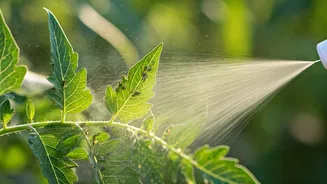
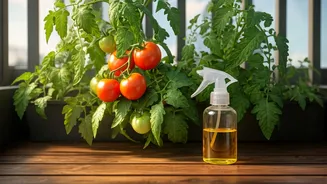
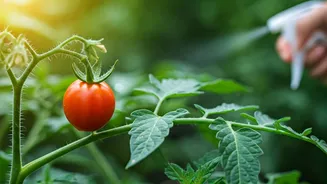
For the best results, it is often recommended to mix your own neem spray to ensure proper potency. [17] A standard recipe involves mixing 1 to 2 teaspoons of 100% cold-pressed neem oil with one litre of warm water. [3, 8] Because oil and water don't mix, you'll need to add about half a teaspoon of a mild liquid soap (like castile soap) to act as an emulsifier, which helps keep the oil evenly distributed in the water. [1, 5] Pour the solution into a spray bottle and shake it well. It's crucial to use the mixture within a few hours, as the active compounds in neem begin to break down quickly once mixed with water. [1, 6] When you spray, be thorough. Whiteflies hide on the undersides of leaves, so you must coat these areas completely for the treatment to work. [10, 19]
Perfecting Your Timing and Technique
The timing of your application is as important as the mixture itself. To avoid the risk of sun damage, or leaf burn, never spray your plants in direct, hot sunlight. [5, 17] The best times to apply neem oil are early in the morning or late in the evening. [12, 25] This also minimizes contact with beneficial pollinators like bees, which are less active during these times. [24] For an active infestation, you may need to spray every 3 to 7 days until the pests are gone. [1, 22] For preventative care, as the headline suggests, a weekly or bi-weekly application throughout the growing season is an effective strategy to keep whiteflies from establishing a foothold on your tomatoes. [5, 12, 21]
Beyond Spraying: Other Organic Tactics
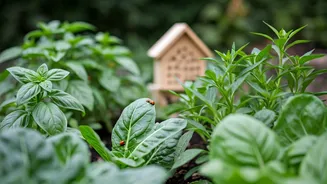
While neem oil is a powerful tool, an integrated approach to pest management is always the most resilient. You can support your neem spray routine with other organic tactics. Yellow sticky traps are highly effective at capturing adult whiteflies. [2] Encouraging natural predators like ladybugs and lacewings, which feed on whiteflies, can also help keep populations in check. [9, 14] Companion planting can also play a role; plants like basil, marigolds, and thyme are known to repel whiteflies and can be planted near your tomatoes as a fragrant deterrent. [9] Finally, good garden hygiene—like removing infested leaves and keeping the area free of weeds—reduces the places where pests can hide and breed. [7, 11]