







A Conscious Pivot from Overtourism
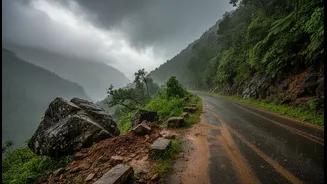
For years, monsoon in the mountains meant bumper-to-bumper traffic and overburdened infrastructure in popular hill stations like Shimla, Mussoorie, and Manali. The very beauty that drew travellers was being threatened by its own popularity, a phenomenon
known as overtourism. This has led to strained water resources, inadequate waste management, and environmental degradation, prompting a much-needed rethink. In response, a growing number of travellers are now seeking a different kind of escape. They are consciously moving away from the checklist-driven tourism of crowded viewpoints and instead embracing a slower, more immersive experience. This shift prioritises depth over distance, connection over consumption, and sustainability over speed.
The Rise of Community-Led Stays
At the heart of this mindful movement is the embrace of community-based tourism, particularly in the Himalayas. States like Uttarakhand are actively promoting homestay schemes that empower local families and curb migration from villages. Instead of staying in commercial hotels, travellers are opting for authentic homestays where they can experience the local rhythm of life. These stays offer more than just a room; they provide a window into the region's culture, cuisine, and traditions. This model, based on slow and ecologically sustainable tourism, encourages visitors to participate as learners rather than just consumers, often involving heritage walks, sampling local food, and engaging with the community, ensuring that tourism benefits the locals directly.
Embracing the Monsoon in the Ghats
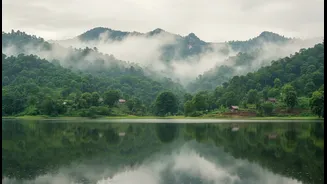
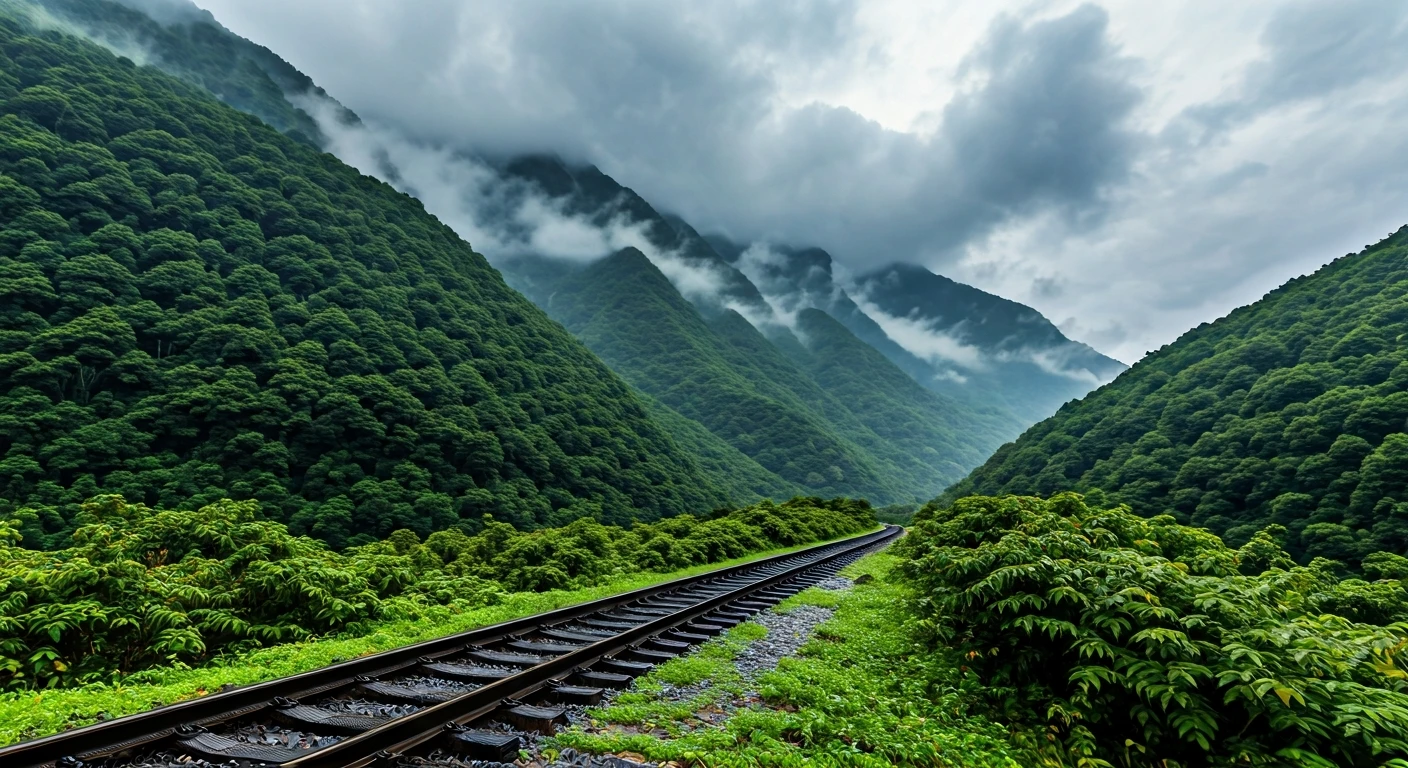
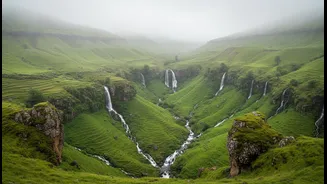
The Western Ghats, a UNESCO biodiversity hotspot, have also become a focal point for this new travel philosophy. The monsoon transforms this region into an electric green paradise, with waterfalls and rivers coming to life. Instead of avoiding the rains, mindful travellers are embracing the season. Tour operators and eco-lodges are curating unique monsoon experiences that go beyond sightseeing. These include guided frog walks in Agumbe and Wayanad to spot rare endemic amphibians, firefly trails in the Sahyadris, and mist forest treks in Coorg and the Nilgiris. These activities not only offer a unique spectacle but also educate travellers on the delicate ecosystem and the importance of conservation.
What's Driving the Mindful Shift?
Several factors are fuelling this trend. Post-pandemic, there is a clear desire for more meaningful and less crowded travel. A 2024 travel trends report showed that 53% of Indian travellers are seeking destinations known for their natural scenery. Furthermore, the visible negative impacts of overtourism, from choked roads to environmental damage, have made both authorities and travellers more aware of the need for responsible practices. The rise of the 'slow travel' philosophy, which advocates for staying longer in one place to connect deeply with it, perfectly aligns with this new-found consciousness. It’s a move towards tourism that regenerates, rather than extracts, value from a destination.
How to Be a Mindful Monsoon Traveller
Adopting a mindful approach is simple and deeply rewarding. Start by choosing smaller, locally-run accommodations like registered homestays over large hotel chains. Engage with the local culture respectfully: try the regional cuisine, learn a few words of the local language, and ask for permission before taking photographs of people. Minimize your environmental footprint by carrying a reusable water bottle to avoid single-use plastics and sticking to designated trails during treks. Support the local economy directly by buying handicrafts and produce from local artisans and farmers. The essence of mindful travel is to leave a place better, or at least the same, as you found it.