


The Great Shift: From Convenience to Craft
For many Indian households, the sound of a spoon clinking against a mug while stirring a teaspoon of instant coffee powder is a familiar morning ritual. It’s quick, easy, and for a long time, it was simply what coffee meant to a majority of the country.
But a quiet revolution has been brewing, led by young, curious consumers, particularly millennials and Gen Z. This demographic is increasingly trading the one-dimensional taste of instant coffee for a more complex and rewarding experience: specialty coffee. The Indian specialty coffee market is witnessing robust growth, driven by rising consumer awareness, evolving tastes, and a burgeoning café culture in urban areas. This shift is not just about taste, but a larger cultural move towards mindful consumption, authenticity, and appreciating craftsmanship.
Decoding 'Single-Origin'
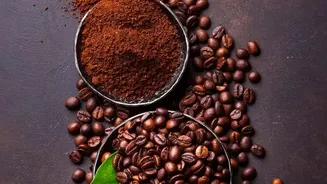
So, what exactly is this “single-origin” coffee that has everyone talking? Unlike blends, which combine beans from multiple locations to create a consistent flavour year-round, single-origin coffee comes from one specific, known geographical place. This could be a single country, a particular region within that country, or even a single farm or estate. The beauty of single-origin lies in its traceability and unique flavour profile, which reflects the specific soil, climate, and processing methods of its home. It’s a story in a cup, connecting the drinker directly to the growers and the land. This transparency supports ethical practices and often leads to better compensation for farmers who focus on quality.
South India's Coffee Heartland
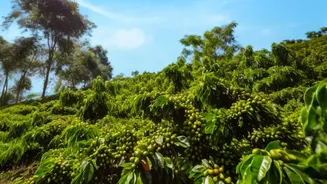
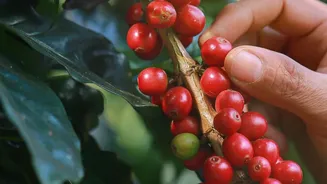
The epicentre of India's coffee story lies in the lush, rolling hills of the Western Ghats. Karnataka is the heartland, with regions like Chikmagalur—hailed as the birthplace of Indian coffee—and Coorg producing the lion's share. These areas, along with Wayanad in Kerala and the Araku Valley in Andhra Pradesh, offer the ideal high-altitude terrain, fertile soil, and misty climate for cultivating complex and flavourful beans. Family-run estates, some with histories spanning over a century, are becoming stars in their own right. Names like Basankhan Estate in Chikmagalur and Bibi Plantation in Coorg are no longer just farms; they are brands known for their quality and distinct character. This newfound fame means that many high-quality beans once destined for export are now finding an appreciative audience right here at home.
The Rise of the Café and Home Barista
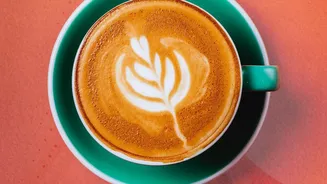
This coffee renaissance is being fuelled by a new wave of Indian coffee brands and cafés. Companies like Blue Tokai, Third Wave Coffee, and Araku Coffee have been instrumental in educating consumers and making high-quality Indian coffee accessible. They have created spaces that are more than just places to grab a drink; they are community hubs where people can learn about brewing methods, taste different profiles, and experience coffee as a craft. The trend has also spilled over into homes. Sparked partly by lockdowns, there's been a surge in home brewing. Young enthusiasts are experimenting with equipment like the French press, AeroPress, and pour-over kits, eager to replicate the café experience and personalise their daily ritual. This shift is so significant that the market for home brewing equipment in India is seeing steady growth.
More Than a Beverage, It's an Identity
For today's young Indian, a cup of coffee is a statement. Choosing a single-origin pour-over from a specific estate over a mass-market brand reflects a conscious decision about quality, ethics, and supporting local producers. It’s a form of self-expression and a way to connect with a larger story. This movement has transformed coffee from a simple morning stimulant into a lifestyle. It's about the social ritual of visiting a café, the mindful process of brewing a cup at home, and the curiosity to explore the diverse flavours that India's own estates have to offer. What was once a functional drink has become a rich, sensory, and cultural experience.