
The Best of Both Worlds
Scandi-Farmhouse is more than just a buzzword in home design; it’s a thoughtful fusion of two beloved styles. On one side, you have Scandinavian design, celebrated for its clean lines, functionality, and principle of simplicity. On the other, you have the American
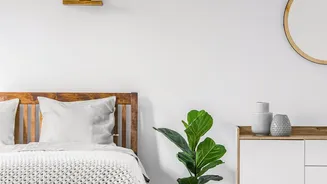
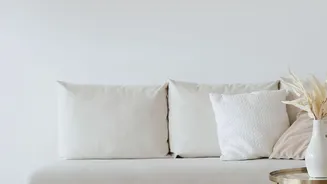
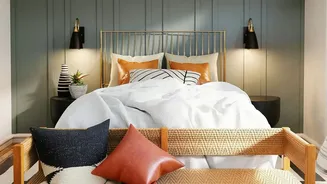
farmhouse aesthetic, known for its rustic charm, comfort, and lived-in feel. Separately, they are distinct. Together, they create what many designers call “warm minimalism”—a style that’s uncluttered without being sterile, and cozy without being chaotic. This hybrid approach takes the minimalist, light-filled foundation of Scandi design and layers it with the texture, natural materials, and welcoming spirit of farmhouse decor. The result is a home that feels both modern and timeless, curated and deeply personal.
The Core Philosophy: Hygge Meets Comfort
At its heart, this trend is about how a home feels, not just how it looks. The Scandinavian influence introduces the Danish concept of hygge (pronounced 'hoo-ga'), which translates to a sense of coziness, contentment, and well-being. This is achieved through intentional choices that promote a calm and simple environment. The farmhouse element complements this by adding a layer of unpretentious, rustic comfort. Think of the durability of a well-made wooden table or the charm of a vintage piece with a story. This isn't about re-creating a literal farm, but about capturing that feeling of a solid, welcoming, and authentic home. It’s a space designed for real life, where you can truly relax and feel at ease.
Building the Neutral Palette
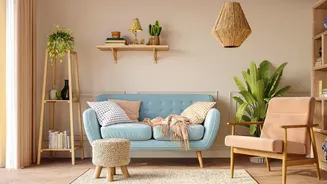
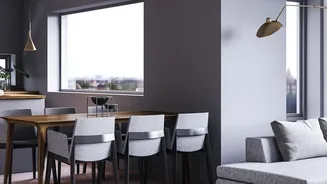
The color scheme is the foundation of the Scandi-Farmhouse look. It starts with a classic Scandinavian palette of whites, light creams, and soft grays. These shades are essential for creating a bright, airy feel and maximizing natural light in a room. But to avoid a clinical look, the farmhouse influence introduces warmer, earthier tones. Think muted shades of beige, taupe, and even subtle sage greens or dusky blues used as accents. Black is also used strategically, often in matte finishes for metal fixtures, window frames, or furniture legs, providing a modern, graphic contrast that grounds the lighter colors and adds a touch of industrial flair borrowed from modern farmhouse style.
Layering Textures and Materials
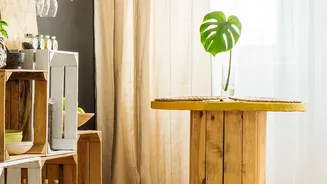
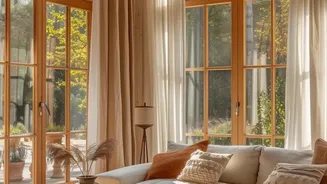
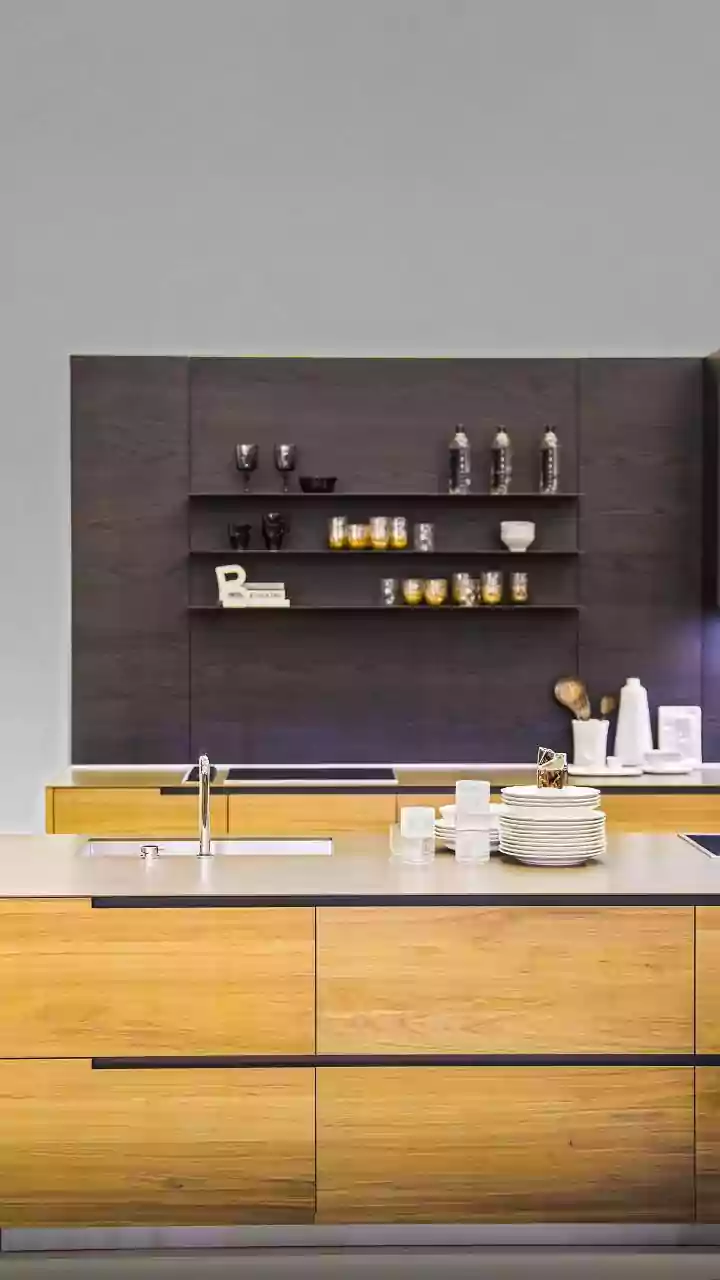
Texture is where the Scandi-Farmhouse style truly comes to life. It’s the key to achieving that 'warm minimalism' feel. The style champions natural materials from both aesthetics. From Scandinavian design, you get light-toned woods like oak, ash, and pine, often seen in flooring and furniture with clean, simple forms. The farmhouse side contributes more rugged and reclaimed woods, which might appear in a statement piece like a mantelpiece, ceiling beams, or a coffee table. Beyond wood, layering is crucial. Think chunky knit throws, soft linen curtains, wool rugs, and plush cushions. These textiles soften the clean lines of the furniture and add visual interest and tactile comfort, making the space feel inviting and complete.
Furnishing the Space
Furniture in a Scandi-Farmhouse home is a balancing act. The shapes are often guided by Scandinavian functionalism: simple, clean-lined sofas, tapered-leg tables, and chairs with elegant, unfussy silhouettes. Comfort, however, is a priority, drawing from the farmhouse tradition of large, inviting pieces meant for gathering. A plush, neutral-toned sofa can be paired with a rustic wooden coffee table. Sleek, minimalist dining chairs might be arranged around a sturdy, traditional farmhouse table. The goal is to mix and match, balancing the modern and the rustic. Not every piece has to be one style or the other; in fact, the most successful spaces are those where a sleek metal floor lamp can coexist happily with a weathered wooden bench.
Decorate with Intention
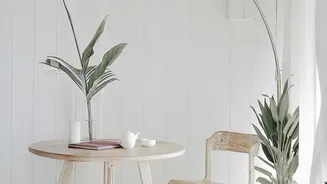
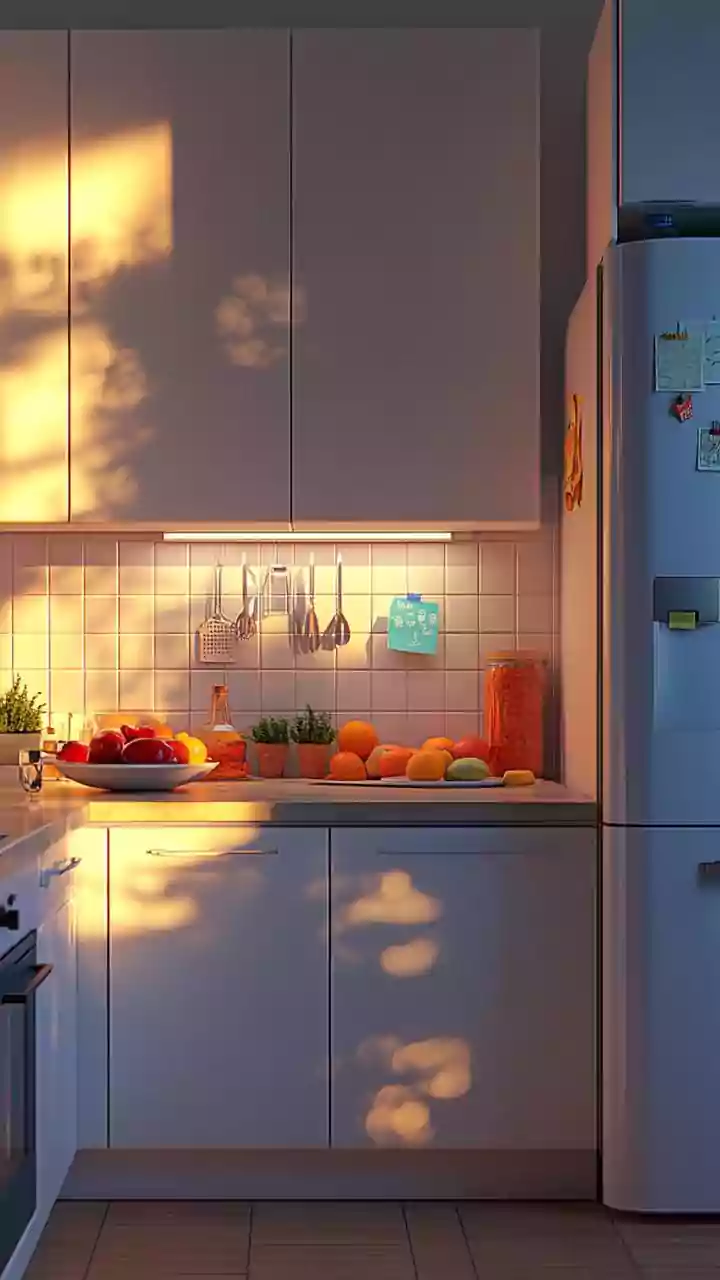
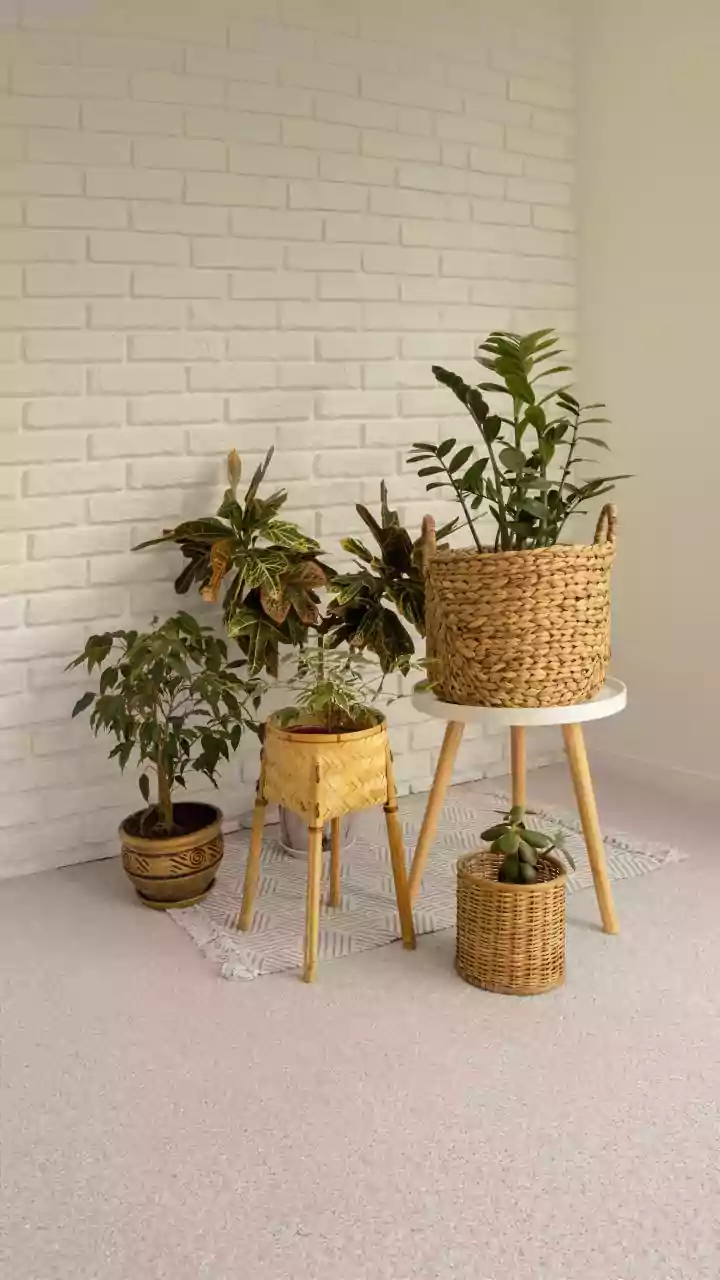
True to its minimalist roots, the Scandi-Farmhouse style is not about abundant decoration. Instead, it’s about choosing each item with purpose. This philosophy, central to Scandinavian design, means that objects should be either beautiful or functional—ideally both. Decor is sparse but meaningful. Think practical items like ceramic pitchers, wooden bowls, and cutting boards displayed openly in the kitchen. Greenery, such as a potted plant or a few stems of eucalyptus in a simple vase, adds a touch of life and natural color. Artwork is often minimal, perhaps a gallery wall of family photos in simple frames or a single, large abstract piece. The space feels curated, not cluttered, allowing each well-chosen object to shine.