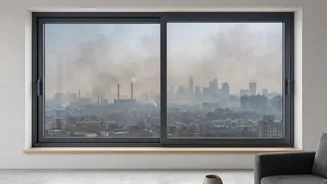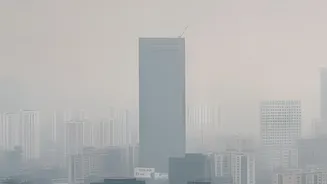





When thick smog blankets the city, we shut our doors and windows, thinking we are safe. But the uncomfortable truth is that outdoor pollution doesn't stop at the doorstep. A surprising amount of it finds its way inside, impacting our health.
The Invisible Invasion: How Smog Gets In
Even with
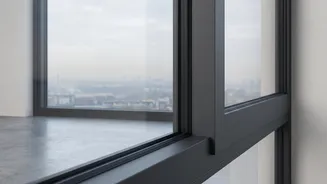
everything closed, your home is not an airtight fortress. Polluted outdoor air primarily enters through a process called infiltration. Tiny, often invisible, cracks and gaps around window frames, under doors, and where pipes or wires enter the walls act as highways for harmful particles. This seepage is driven by differences in wind pressure and temperature between the inside and outside. Beyond these leaks, natural ventilation (opening doors and windows) and mechanical systems (like kitchen or bathroom exhaust fans that pull air out, forcing replacement air to be drawn in from outside) are also major pathways. Studies show that a significant percentage of indoor PM2.5 pollution, from 54% to over 80% in some cases, originates from the outdoors, even when a home appears sealed.
Understanding the Enemy: What Is PM2.5?
The main culprit in smog is PM2.5, or fine particulate matter. These are microscopic particles measuring 2.5 micrometres or less in diameter—about 30 times smaller than a human hair. Their tiny size is what makes them so dangerous. They can remain suspended in the air for long periods and, when inhaled, can bypass the body's natural defences, penetrating deep into the lungs and even entering the bloodstream. Chronic exposure is linked to a range of serious health issues, including heart disease, respiratory infections, and strokes. While some PM2.5 is generated indoors from cooking, burning candles, and dusting, a large portion of our exposure at home comes from outdoor sources like vehicle exhaust and industrial emissions that have infiltrated the building.
Your First Line of Defence: Air Purifiers
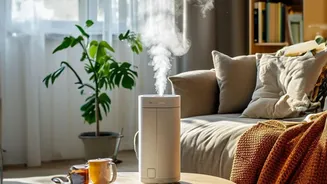
Since you can't completely stop outdoor air from getting in, the next best step is to clean the air that's already inside. This is where a good air purifier becomes essential. For tackling PM2.5, the gold standard is a purifier equipped with a True HEPA (High-Efficiency Particulate Air) filter. By definition, a HEPA filter is certified to capture at least 99.97% of airborne particles that are 0.3 microns in size—the most difficult size to trap. This makes them extremely effective against the entire range of PM2.5 particles. When choosing a purifier, look for one with a Clean Air Delivery Rate (CADR) that matches your room size to ensure it can circulate and clean the air effectively. It's also important to note that while HEPA filters excel at removing particles, they do not remove gases or odours; for that, you need a unit with an activated carbon filter.
Fortifying Your Home: Sealing the Gaps
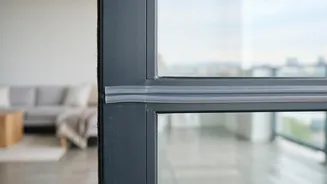
A proactive way to reduce the amount of pollution entering your home is to find and seal the leaks. You can conduct a simple visual inspection to find obvious gaps around windows and door frames. Applying caulk for stationary cracks and weatherstripping for moving parts like doors and windows can make a significant difference. Pay attention to less obvious entry points like attic hatches, exhaust fan outlets, and openings for plumbing and electrical wiring. Sealing these leaks not only improves your indoor air quality but can also make your home more energy-efficient. While it's nearly impossible to make a home completely airtight, every gap you seal reduces the workload on your air purifier and lowers your overall exposure.
Smart Habits for Cleaner Indoor Air
Beyond sealing and filtering, daily habits can help maintain a healthier indoor environment during smoggy periods. First, avoid adding to the indoor pollution load. This means limiting activities like frying food, burning candles or incense, and using aerosol sprays, all of which generate indoor PM2.5. Use your kitchen's exhaust hood every time you cook, as this vents pollutants outside. When air quality is poor, keep windows and doors firmly latched to create a better seal. It can also be beneficial to create a 'clean air room' by running a HEPA purifier continuously in a single, well -sealed room, such as a bedroom, where you spend a significant amount of time. Finally, check the outdoor Air Quality Index (AQI) daily and only open windows to ventilate your home when the air outside is clean.