



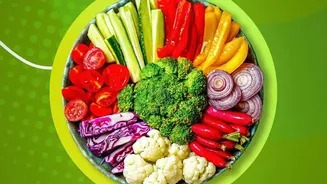

Why Seasonal is Smarter
Eating with the seasons is a practice deeply rooted in Indian culture, and for good reason. Produce that is in season is harvested at its peak, meaning it’s not only more flavorful but also packed with more nutrients. Fruits and vegetables that are grown
and sold locally during their natural harvest time have a higher concentration of vitamins and antioxidants compared to off-season varieties that are often transported long distances. This approach is also kinder to your wallet. When produce is abundant, its price naturally drops, making it a cost-effective choice for daily meals. Furthermore, buying seasonal supports local farmers and reduces your carbon footprint, as it lessens the need for energy-intensive transportation and storage.
Monsoon Market Stars
As we are in the middle of July, the monsoon season brings a unique and delicious bounty to local markets across India. These foods are naturally suited to the climate and provide nutrients that help boost immunity during a time when infections are common. Look out for vegetables like various gourds (lauki, tori), lady's finger (bhindi), brinjal, and corn (bhutta). For fruits, this is the perfect time to enjoy jamun, peaches, plums, pears, and litchis. Many of these, like jamun and guava, are powerhouses of Vitamin C and iron, which help fight fatigue and seasonal illnesses.
Smart Shopping for the Busy Professional
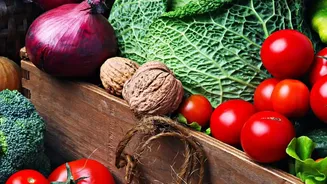
A healthy diet starts at the market, but it doesn't have to be a chore. Visiting a local sabzi mandi or farmers' market over the weekend can be more economical than a supermarket. The produce is often fresher and prices are lower. When you're there, don't be afraid to ask vendors what's freshest and locally grown. To save time during the week, plan your meals in advance. A simple plan for a few core meals helps you buy only what you need, reducing food waste and saving money. Buying in bulk when produce is at its peak can also be a smart move, as long as you have a plan to use it.
Meal Prep for a Hectic Week
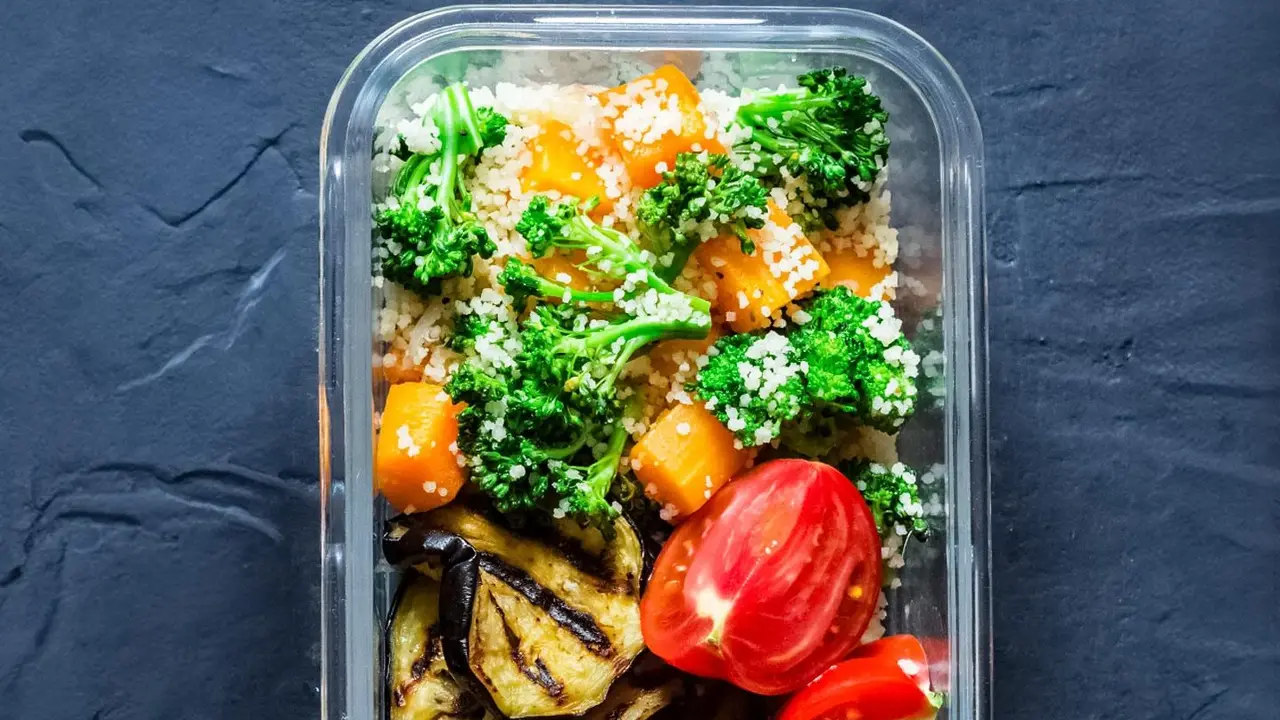
The biggest hurdle for professionals is often the time it takes to cook. This is where a little weekend preparation can make a huge difference. Spend an hour on Sunday washing and chopping vegetables. You can store them in airtight containers in the fridge for easy access during the week. Making a big batch of dal tadka or a simple tomato-onion base can serve as the foundation for multiple quick meals. For lunches, a simple vegetable khichdi, paneer bhurji, or a roti wrap with pre-chopped veggies can be assembled in minutes. These strategies ensure you have healthy, homemade food ready to go, even on your busiest days.
Quick and Healthy Meal Ideas
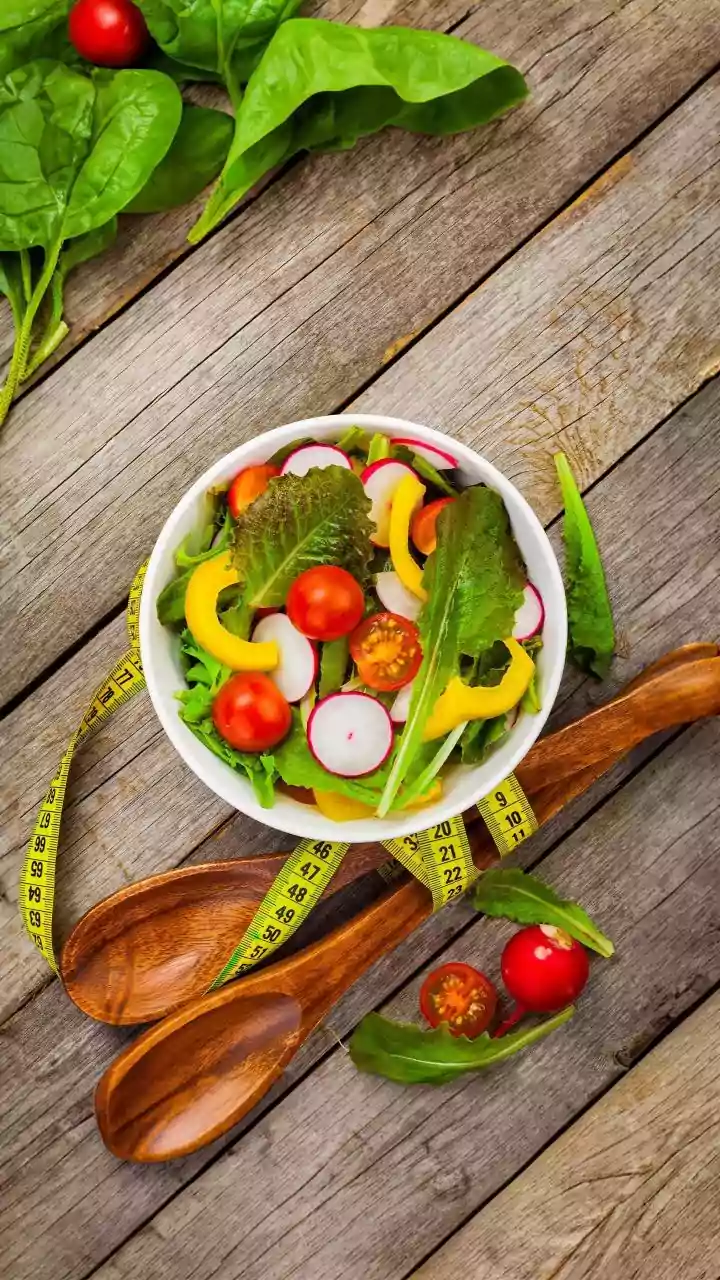
Eating seasonal doesn't mean complicated recipes. A simple stir-fry with monsoon vegetables like bhindi and capsicum is quick and nutritious. Gourds like lauki can be used to make a simple sabzi or added to dal for extra fibre. Corn on the cob is a perfect evening snack. Fruits like pears and plums can be eaten fresh, added to yogurt, or blended into a smoothie for a quick breakfast. Don't underestimate the power of a simple salad with seasonal cucumber and tomatoes for a light, hydrating meal. The key is to keep things simple, focusing on fresh flavours that don't require extensive cooking.