



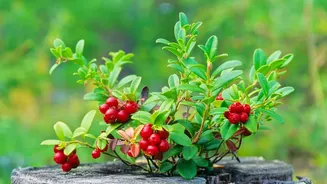
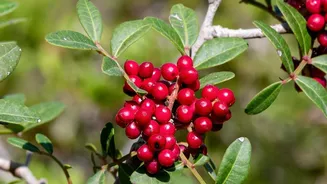
Growing cranberries indoors is a rewarding challenge, but success hinges on one crucial element: moisture. These unique bog plants have specific needs that differ from typical houseplants. Mastering how to keep them perfectly moist is the secret.
Understanding a Cranberry’s Natural Habitat
Before
you can properly water your indoor cranberry plant, it's essential to understand where it comes from. Cranberries (Vaccinium macrocarpon) are native to the boggy, acidic wetlands of North America. They are not aquatic plants that live underwater, but they do thrive in consistently moist, cool, and acidic environments. Replicating these conditions in a pot is the primary goal. Unlike many houseplants, they have shallow, fine root systems that are sensitive to drying out, making consistent moisture management key. Getting this balance right prevents the plant from experiencing stress, which can inhibit growth and fruit production.
The Foundation: Acidic, Moisture-Retentive Soil
The right soil mix is your first line of defense in maintaining moisture. Standard potting soil is not suitable for cranberries as it's typically not acidic enough. Cranberries demand a soil pH between 4.0 and 5.5. A proper medium should hold water well without becoming a soggy, airless mass. You can purchase a pre-made mix for acid-loving plants, like those for azaleas, or create your own. A popular and effective recipe involves mixing peat moss with sand or perlite. The peat moss provides the necessary acidity and water retention, while the sand or perlite ensures there is enough aeration and drainage to prevent root rot, a common issue in overly saturated soils.
Perfecting Your Watering Technique
Cranberry plants need their soil to be consistently moist, but never waterlogged. A common mistake is to either let the pot dry out completely or to leave it sitting in a saucer of water. The best approach is to water thoroughly whenever the top inch of soil begins to feel dry to the touch. Water until it runs freely from the drainage holes, then discard any excess water. During hot periods or active growth, you may need to water daily. The type of water also matters. Tap water in many areas is alkaline and can gradually raise the soil's pH over time, stressing the plant. Whenever possible, use rainwater or distilled water to maintain the soil's acidity.
Don’t Forget Humidity
Soil moisture is only half the battle; air moisture, or humidity, is just as important. Cranberries prefer a more humid environment than the average home provides, especially during winter when heating systems dry out the air. Aiming for a humidity level between 40% and 60% is a good target. You can boost humidity around your plant in several simple ways. Misting the leaves with a spray bottle a few times a week can help. Another effective method is to place the pot on a pebble tray: a shallow tray filled with pebbles and a bit of water. The evaporating water will increase local humidity without waterlogging the soil. Grouping plants together also helps create a more humid microclimate.
Using the Right Container
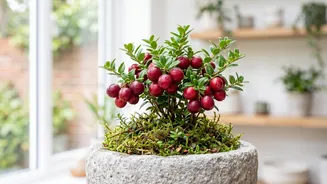
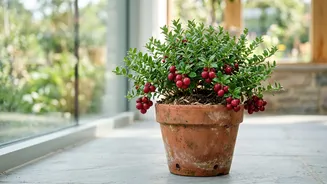
Your choice of pot can make moisture management significantly easier. Ensure any container has ample drainage holes to prevent soggy soil. For cranberries, a self-watering pot can be an excellent investment. These containers have a builtin reservoir that wicks water up into the soil as needed, providing the consistent moisture cranberries love without the risk of overwatering. If you use a traditional pot, choose one that is wide rather than deep to accommodate the plant's spreading runners. A container at least 12 inches deep and wide is a good starting point for a single plant.