



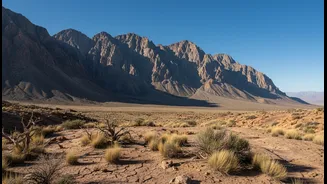


The Science of Staying Dry
The magic behind these dry monsoon getaways is a simple geographic phenomenon known as the 'rain-shadow effect'. When moisture-laden monsoon clouds travel from the sea, they are forced to rise upon meeting a mountain range like the Himalayas or the Western
Ghats. As the air ascends, it cools, and its moisture condenses into rain, drenching the windward side of the mountains. By the time these clouds cross over to the other side—the leeward side—they have exhausted most of their moisture. The descending air becomes warmer and drier, creating a 'shadow' of arid or semi-arid climate, while the rest of the country experiences heavy rainfall. This is why certain regions remain sunny and accessible throughout the monsoon months.
Ladakh: The Ultimate High-Altitude Desert
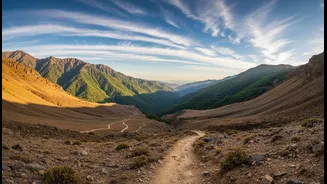
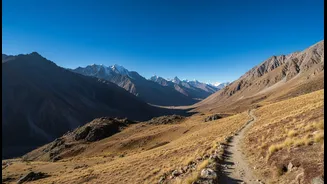
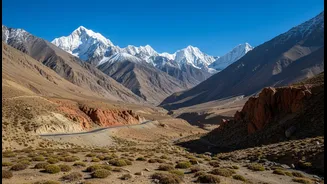
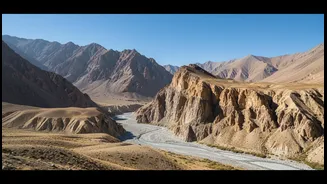
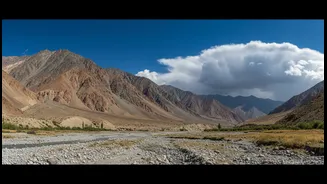
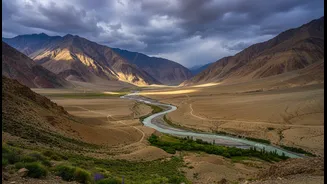
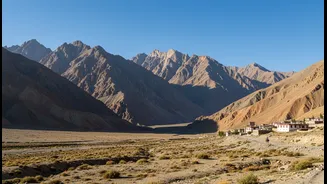
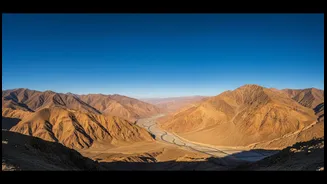
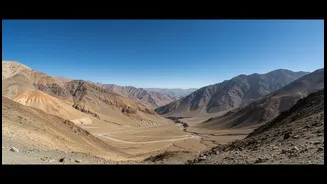
Ladakh is the classic example of a rain-shadow region in India. Shielded by the colossal Great Himalayan range, it is a cold desert that receives minimal rainfall, making July and August the peak tourist season. While the rest of India contends with humidity and downpours, Ladakh offers clear blue skies, pleasant daytime temperatures ranging from 20 to 30 degrees Celsius, and panoramic views of its stark, majestic landscapes. This is the ideal time to ride through the famed high-altitude passes like Khardung La, explore serene monasteries, and witness the surreal beauty of Pangong Tso and Tso Moriri lakes without the threat of a washout.
Lahaul and Spiti: Adventure's Dry Haven
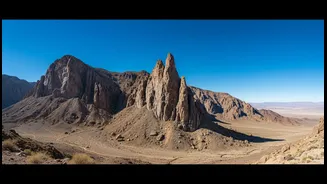
Neighbouring Ladakh, the valleys of Lahaul and Spiti in Himachal Pradesh are also located in the trans-Himalayan rain-shadow zone. Spiti, in particular, is a remote, rugged, and breathtakingly beautiful cold desert that remains largely dry during the monsoon. The period from June to September is perfect for exploring its ancient monasteries like Key and Tabo, and its unique moonscape terrain. While the valleys themselves are dry, the approach roads, especially from Manali, can be prone to landslides caused by heavy rains in the lower hills. Therefore, travellers should always check road conditions and prefer the more stable route via Shimla and Kinnaur.
A Southern Surprise: The Other Side of the Ghats
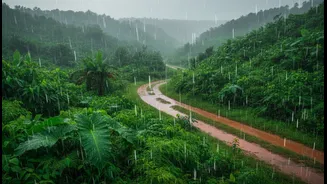
The rain-shadow effect is not limited to the Himalayas. The Western Ghats, which run parallel to India's west coast, create a similar phenomenon. While coastal Kerala, Karnataka, and Maharashtra are drenched by the southwest monsoon, the eastern slopes and the plains beyond lie in a rain shadow. Regions in western and southern Tamil Nadu, and the eastern parts of the Deccan Plateau receive significantly less rainfall during these months. This makes places on the leeward side of the Ghats a viable option for those seeking a less intense monsoon experience. While not as bone-dry as Ladakh, these areas offer a different kind of charm with lighter showers and lush scenery.
Planning Your Monsoon Escape
Travelling to a rain-shadow destination requires some planning. For high-altitude regions like Ladakh and Spiti, acclimatisation is crucial to avoid altitude sickness. While the destinations are dry, the approach routes can be unpredictable, so it's wise to build buffer days into your itinerary for potential road closures or delays. Booking flights directly to Leh is often a safer bet than long road journeys during peak monsoon. For any road trip, always check the latest updates from the Border Roads Organisation (BRO) and local traffic police. Pack layers of clothing, as temperatures can drop significantly at night, even in summer.