





The Scale of the NRI Investment Boom
In recent years, Indian real estate has seen a significant surge in demand from NRIs. Industry reports from 2025 and 2026 show that overseas Indians now account for a substantial portion of property sales, particularly in the luxury segment. This share
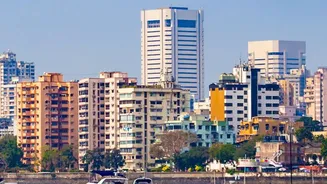
is estimated to be between 15-20% of total investments, a figure that has climbed steadily. The primary drivers are compelling: a desire for a stronger connection to home, robust returns, and regulatory reforms like RERA that have improved transparency. Major metropolitan areas, including Mumbai, Delhi-NCR, Bengaluru, Pune, and Hyderabad, are the biggest beneficiaries of this capital influx, attracting NRIs with their strong economic growth and modern infrastructure.
Favourable Economics and a Search for Stability
Several economic factors make Indian property highly attractive for NRIs right now. For those earning in dollars, pounds, or dirhams, a favourable exchange rate significantly increases their purchasing power, making even premium properties seem more affordable compared to global counterparts. Some analyses suggest this currency advantage can feel like a 15-20% price benefit. Beyond currency, Indian real estate offers a compelling mix of stable rental income and strong potential for long-term capital appreciation, with prime cities showing annual growth of 7-8%. For many NRIs, a property in India is not just a financial asset but a strategic part of retirement planning and a way to maintain a tangible link to their roots.
The Direct Impact on the Luxury Segment
The most direct impact of NRI demand is felt in the premium and luxury housing markets. NRIs overwhelmingly prefer high-end properties in well-located, gated communities with modern amenities. Their preferred ticket size often falls in the ₹1-5 crore range in metro cities. This focused demand naturally pushes prices upward in the luxury segment. Developers, seeing this trend, are increasingly launching projects tailored to these buyers, featuring larger homes and world-class facilities. In some high-profile projects in cities like Gurugram and Mumbai, NRIs can account for a quarter or more of all sales, fundamentally shaping the character and price points of the top-tier market.
Are NRIs Competing with Domestic Buyers?
For the average domestic homebuyer, the question of direct competition is nuanced. In the affordable and mid-income segments, there is less of a direct clash, as NRI investment is heavily skewed towards luxury. However, the competition becomes more apparent for affluent domestic buyers and high-net-worth individuals who are often eyeing the same premium properties as NRIs. This can lead to faster sales, fewer available units in desirable projects, and a general heating up of prices in specific, in-demand micro-markets within cities like Bengaluru, Gurugram, and Pune.
The Ripple Effect on the Broader Market
Even if most domestic buyers aren't bidding for the same luxury flats as NRIs, the indirect effects are significant. The intense demand for premium properties can cause a ripple effect, driving up land values across a city. When developers find it more profitable to build luxury homes, they may shift their focus away from mid-segment and affordable housing projects. This can lead to a supply gap for budget-conscious buyers. However, there's another side to the story. NRI investment often fuels the creation of high-quality infrastructure and well-planned communities, which can elevate the overall standard of living in a locality, eventually benefiting all residents. Furthermore, a recent trend shows some NRIs are selling properties acquired years ago to rebalance their portfolios, which can increase the supply of ready-to-move-in homes on the resale market.