







The Outdated Myth of the Shoebox
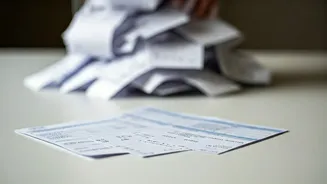
For generations, the gold standard of responsible adulting was to meticulously save every paper receipt. This was a sensible system when cash was king and a physical slip was the only proof of a transaction. But in an era of digital banking, credit card
statements, and automated expense tracking, this approach has become largely obsolete for everyday spending. For the vast majority of your daily purchases—like your morning coffee, weekly groceries, or gas for your car—your digital bank statement provides a perfectly adequate record. Budgeting apps that sync with your accounts offer an even more powerful, real-time view of your spending habits without requiring a single piece of thermal paper. The goal of a budget is to understand and control your cash flow, not to become a part-time bookkeeper for minor, non-deductible expenses.
Receipts to Keep for Tax Purposes
This is where being selective is key. The IRS doesn't need to see your latte purchase, but it does want proof for any deductions you claim. If you plan to itemize, you absolutely need to save receipts related to specific categories. These include: • **Business Expenses:** Any purchase related to self-employment or unreimbursed employee expenses. This covers everything from office supplies and software to client meals and travel costs. • **Charitable Contributions:** If you donate cash or goods, a receipt from the organization is necessary to claim the deduction. • **Medical Expenses:** Keep records for co-pays, prescriptions, and other qualifying medical costs, especially if you have significant healthcare spending. • **Home Office or Rental Property Expenses:** Receipts for repairs, utilities, and improvements are critical for proving these deductions. For these, digital is your best friend. Use a scanning app on your phone to create a digital copy the moment you get the receipt, then file it in a cloud folder labeled “Taxes 2024.” This protects you from faded ink and lost papers.
The 'Just in Case' Receipts to Hold Temporarily
Some receipts aren't for your permanent records but serve a short-term purpose. These are the ones you need for returns, rebates, or service guarantees. Think of this category as a temporary holding pen. Get a dedicated envelope, folder, or even just a clip on your fridge for these receipts. Once the return window has closed (typically 30 to 90 days), the mail-in rebate has been received, or the service has been completed to your satisfaction, you can shred it. This applies to clothing, household goods, and other items you might need to take back. No need to keep a receipt for a sweater from three years ago.
Proof of Purchase for Big-Ticket Items
This is the non-negotiable category. For any major purchase, the receipt is a vital document you should keep for the life of the item. This includes electronics, appliances, furniture, expensive tools, and jewelry. Why? Two main reasons: warranties and insurance. First, if the item breaks while under warranty, the manufacturer will almost certainly require proof of the purchase date. Second, if you need to file a homeowner's or renter's insurance claim due to theft, fire, or damage, your receipt is the best evidence of the item’s value. A credit card statement might show you spent $2,000 at Best Buy, but the itemized receipt proves you bought a specific model of television. Snap a photo of the receipt and the item's serial number and save it in a secure cloud folder labeled “Home Inventory” or “Warranties.”
Your New, Simplified System
So, how do you manage this without reverting to the shoebox? Create a simple, two-part system. First, for physical receipts, get one small, dedicated folder for the “Just in Case” items and clean it out monthly. Second, go digital for everything else. Use an app like Scannable or the one built into your phone's notes to immediately digitize any receipt for taxes or big-ticket items. Pair this with a dedicated email address or folder for online order confirmations and digital receipts. This approach transforms receipt management from a chaotic paper-hoarding exercise into a targeted, purposeful act. You’re no longer saving paper; you’re preserving specific, valuable information. The rest is just noise.