



From Packets to Plates
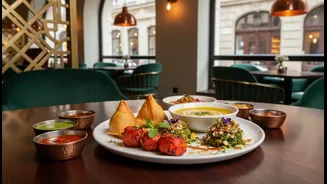
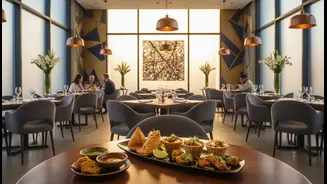
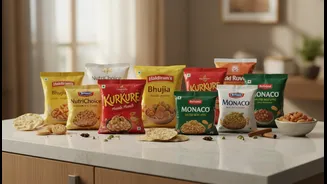
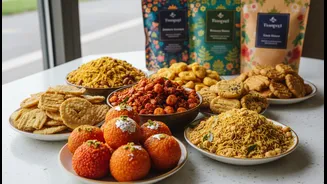
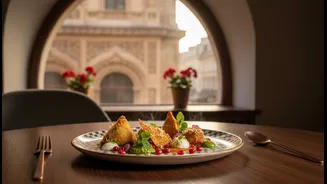
The move from retail shelves to restaurant tables is a significant strategic evolution for India’s food giants. A prime example is Haldiram's, a household name founded in 1937, which launched its first UK restaurant in London's Leicester Square in June
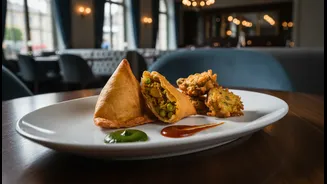
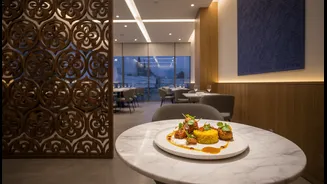
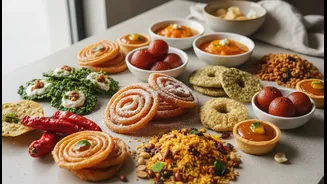
2026. This is not just a small café but a 120-seat, full-service casual dining establishment, marking a major shift from the brand's traditional quick-service model. The restaurant offers a menu that goes far beyond their packaged snacks, featuring beloved dishes like choley bhature, pao bhaji, and an extensive chaat selection. This venture is more than an expansion; it's a confident step into the global dining scene, bridging the gap between the familiarity of their products and an aspirational, contemporary restaurant experience.
The Business Rationale: Brand as an Experience
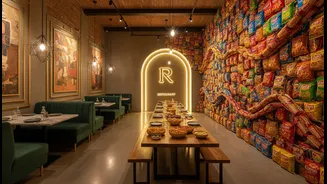
So, why trade the certainties of packaged goods for the demanding world of hospitality? The reasons are multi-layered. Firstly, it’s about controlling the entire brand narrative. By operating restaurants, brands can create an immersive experience, moving beyond being just a product to becoming a destination. This allows them to present their food in a refined, accessible way that evokes nostalgia for the Indian diaspora and introduces a wider audience to the true diversity of Indian cuisine. Rhea Agarwal, a third-generation member of the Haldiram's founding family overseeing its European expansion, noted that the goal is to sell an experience, not just food. This move also taps into higher profit margins and builds deeper customer loyalty. The restaurant acts as a flagship, a physical embodiment of the brand that also features retail counters, encouraging diners to take a piece of the experience home.
A Growing Appetite for Authenticity
This trend is powered by a significant shift in the European market. There is a growing demand for authentic, regional Indian food that goes beyond the generic 'curry'. Consumers are more adventurous and knowledgeable, seeking out the specific flavours of North Indian chaat, Mumbai-style street food, or South Indian delicacies. Indian brands are perfectly positioned to meet this demand. They have built-in brand recognition and a reputation for authenticity honed over decades. This move allows them to showcase the vastness of Indian cuisine, which has often been simplified or poorly represented in the past. As one analyst noted, the popularity of Indian cuisine is increasing year on year, but many aspects remain untapped in markets like the UK. These restaurants aim to fill that gap.
Challenges on the Menu
The path from supermarket aisle to restaurant table is not without its obstacles. The restaurant business is notoriously difficult, with high overheads, complex logistics, and intense competition. For Indian brands expanding into Europe, challenges include navigating different food safety regulations, managing international supply chains to source authentic ingredients, and adapting to local labour laws. There is also the significant financial investment required for prime real estate, like Haldiram's location in Leicester Square. Furthermore, they must compete not only with established local restaurants but also with other Indian brands like Bikanervala, which also has plans for UK expansion. Success depends on balancing operational efficiency with the cultural awareness needed to thrive in diverse European markets.
What It Means for Diners and the Industry
For diners in Europe, this trend is overwhelmingly positive. It means greater access to authentic, high-quality, and regionally diverse Indian food. It signals a move away from anglicised curry houses towards experiences that are true to their Indian roots, complete with signature street food and a wide array of mithai (sweets). For the Indian food industry, it marks a new era of confidence. These brands are not just exporting products; they are exporting culture and cuisine as a holistic experience. This move raises the bar for all Indian restaurants abroad, pushing for higher standards and greater authenticity. It also signifies the growing 'soft power' of Indian food on the global stage, transitioning from a niche ethnic cuisine to a mainstream culinary force.