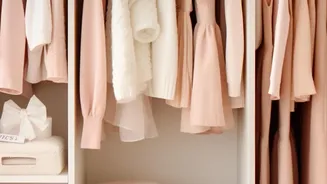







The Problem: A Closet Full of Clutter
Most of us make purchasing decisions in the moment, often triggered by a sale, an event, or a fleeting trend. This leads to a collection of individual items rather than a cohesive wardrobe. The result is a closet full of pieces that don't work together,
things you never reach for, and a recurring sense of frustration. A wardrobe audit is the first step to breaking this cycle. It’s more than just decluttering; it's an exercise in mindfulness that helps you understand your habits and what you truly need. By systematically reviewing what you own, you can move from reactive impulse buying to intentional, purpose-driven purchasing.
Step 1: The Great Inventory Take-Down
The process begins by taking everything out of your closet. Every shirt, pair of trousers, dress, and accessory should be visible. As you do this, sort items into categories: tops, bottoms, dresses, outerwear, shoes, etc. This physical act of seeing everything you own in one place is often a revelation. You will immediately start to notice patterns you weren't aware of, like how many black jumpers or striped t-shirts you’ve accumulated. This first step can feel daunting, so set aside a few hours, put on some music, and be prepared to be honest with yourself about each item.
Step 2: Create Your Master List
Now it's time to create the list itself. You can use a simple notebook or a spreadsheet. For each item, create columns for key pieces of information. Start with the basics: Item Type (e.g., Jeans), Colour (e.g., Dark Wash), and a brief Description (e.g., High-rise straight leg). To make the list even more powerful, add columns for 'Frequency of Wear' (daily, weekly, monthly, special occasion, never), 'Condition' (new, good, needs repair), and even a 'Love/Hate' rating. This detailed log is more than just a list; it’s a database of your personal style and habits. It provides a bird's-eye view of your wardrobe, taking the focus off individual trees to see the entire forest.
Step 3: Analyze the Data to Find Your Gaps
With your inventory complete, the analysis begins. This is where you expose the gaps. Look at your list and ask critical questions. Do you own 15 party tops but only two pairs of work-appropriate trousers, even though you have an office job? That's a gap. Do you have plenty of summer dresses but no versatile jacket to wear over them on cooler evenings? Another gap. The list makes these imbalances impossible to ignore. It shows you where you over-purchase (perhaps trendy items you wear once) and where you are genuinely lacking foundational pieces. These missing items are your true wardrobe gaps—the things that, if purchased, would unlock the potential of dozens of other items you already own.
Step 4: Shop with a Purpose-Driven List
Your inventory analysis directly translates into a new kind of shopping list: one based on data, not whim. Instead of wandering into a store and being swayed by a mannequin, you now have a targeted mission. Your list might say, "Need one pair of classic, tailored black trousers" or "Looking for a neutral-coloured lightweight cardigan." This list acts as your anchor, preventing you from getting distracted by sales and items you don't need. When you're considering a new purchase, you can ask a simple question: "Is this on my list?" If not, you can feel confident walking away, knowing it doesn't fill a real need.