
The World's Highest Art Gallery
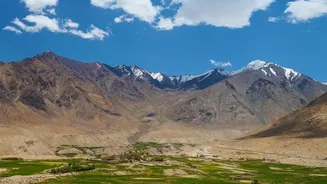
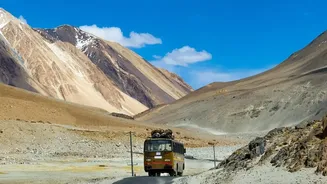
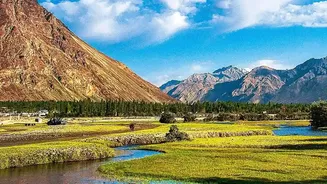
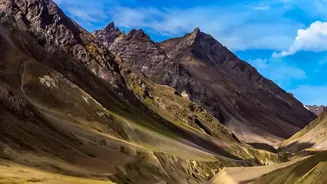
This August, the journey through Ladakh offers more than just breathtaking views. A new art trail, part of the sā Ladakh Biennale, has converted a more than 200-kilometre stretch of the Leh to Kargil corridor into one of the world's highest open-air art exhibitions.
Running from August 1 to 10, 2026, the event situates contemporary art not in galleries, but amidst the region's ancient monasteries, remote villages, and stunning high-altitude valleys. This turns the drive itself into a cultural pilgrimage, encouraging a slower, more deliberate form of travel that connects visitors directly with the landscape and its stories.
A Journey Through Eight Unique Locations
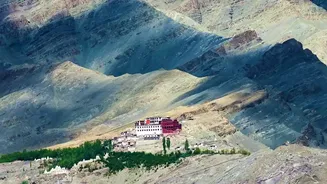
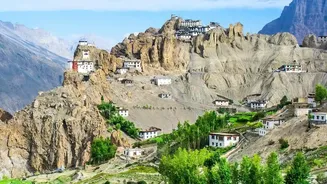
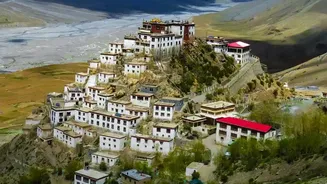
Instead of a single venue, the art trail unfolds across eight distinct locations, each chosen for its cultural and historical significance. The route includes Leh, Kargil, Lamayuru, Basgo, Likir, Nurla, Mulbekh, and Hunderman, transforming the highway into a curated cultural path. Travellers can explore site-specific installations against the backdrop of ancient trade routes and monastic complexes. This decentralized approach invites visitors to venture beyond popular tourist spots, offering an immersive journey into Ladakh's heritage and the environmental challenges it faces. The experience is free for all visitors, though registration is required to access the trail.
Art That Speaks to the Soil
The project is named the sā Ladakh Biennale, with 'sā' meaning 'soil' in the Ladakhi language, a name that reflects its core philosophy. It’s described as a “regenerative art” biennale, where the focus extends beyond just sustainability. Artworks are crafted from locally sourced, biodegradable, and recycled materials, designed to interact with the environment rather than impose on it. Artists from Ladakh, other parts of India, and around the world have created pieces that explore themes of ecology, climate change, local folklore, and community memory. For example, some works visualize the retreat of glaciers, while others reinterpret local traditions using natural materials that will eventually return to the earth.
A Deeper Cultural Immersion
This art trail is fundamentally about creating a deeper connection between visitors, the land, and its people. By placing art in locations like the historic village of Basgo or the fragile ecosystem near Hunderman, the biennale encourages a more thoughtful engagement with the region. The installations are often developed in collaboration with local communities, drawing on oral histories, craft traditions, and vernacular architecture. For instance, one project in Hunderman involves local women artisans creating a collaborative textile installation that speaks to community memory and repair. This approach ensures that the cultural experience is authentic, providing insights into the relationship between Ladakh's communities and their environment.
Planning Your Artistic Road Trip
For those planning a trip, the biennale offers a unique itinerary that redefines sightseeing in Ladakh. The art trail is designed to be explored at one's own pace, allowing the journey between installations to be as much a part of the experience as the art itself. Organizers emphasize the importance of acclimatization, advising travellers to spend at least 48 hours in Leh to adjust to the high altitude before setting out on the trail. This model of tourism advocates for a more enriching way to travel, one that supports local culture and promotes environmental awareness in a fragile, beautiful ecosystem.