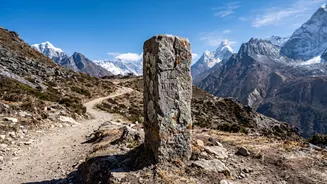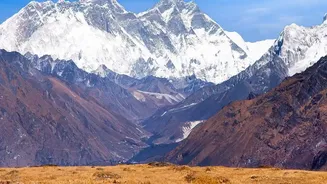




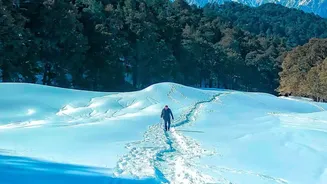
The dream of trekking through Nepal’s majestic Himalayas is a powerful one, but recent events have served as a stark reminder. New regulations, highlighted by penalties imposed on Indian hikers, mean that proper planning is no longer optional.
The End of an Era for Solo Trekking
For decades,
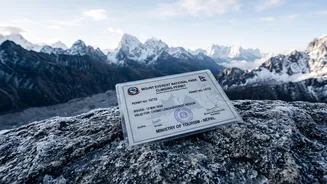
Nepal was a haven for independent trekkers who could venture into the mountains with just a map and a backpack. That era officially ended in April 2023. The Nepal Tourism Board implemented a major policy shift, making it mandatory for all foreign trekkers to hire a licensed guide. This rule applies to the vast majority of Nepal's popular trekking regions, including the Everest and Annapurna circuits. Furthermore, all trekkers must now obtain a Trekkers' Information Management System (TIMS) card through a registered trekking agency, rather than acquiring it individually. The solo trekker, once a common sight on the trails of the Khumbu and beyond, is now a thing of the past. The government has stood firm on this policy, framing it as an essential safety measure.
Safety, Security, and Local Employment
The primary justification for these stringent new rules is trekker safety. Nepali tourism officials have pointed to a worrying number of incidents involving solo trekkers going missing, getting injured, or perishing on the trails each year. Without a guide, locating and rescuing these individuals in remote, high-altitude terrain is incredibly difficult and costly. Officials argue that a local, licensed guide not only ensures trekkers stay on safe paths but can also provide immediate assistance and communication in an emergency. Beyond safety, the policy is also designed to create more jobs for Nepal's trained and licensed mountain guides, ensuring the economic benefits of tourism are distributed more widely among the local population. It formalises an industry that previously saw many trekkers bypass local services.
A Cautionary Tale on the Trail
The enforcement of these rules was recently brought into sharp focus when a group of Indian nationals were penalised for flouting the regulations. The hikers reportedly attempted to enter a restricted trekking area without the mandatory guide and the required TIMS cards. They were intercepted by authorities and faced significant fines, effectively ending their trek before it truly began. This incident serves as a clear warning: the new rules are not mere suggestions. Authorities are actively monitoring trekking routes, and the penalties for non-compliance are serious. The days of trying to 'wing it' or sneak past checkpoints are over, and the financial and logistical consequences of being caught can ruin a long-planned trip.
How to Plan Your Trek Today
So, what does this mean for your dream trip to Nepal? The key is to plan everything through official channels. Your first step should be to connect with a government-registered trekking agency in Nepal. These agencies are now your one stop shop for a compliant trek. They will handle the entire process of assigning a licensed guide, securing your TIMS card, and arranging any other necessary permits for national parks or conservation areas. While this adds to the cost—guides can cost between $30 to $50 per day—it also adds a layer of security and local expertise. When vetting an agency, ensure they are registered with the Trekking Agencies' Association of Nepal (TAAN) or the Nepal Tourism Board. Do not attempt to hire a guide informally, as they may not be licensed, and you will still be in violation of the law.
The Debate Continues
While the government's stance is firm, the decision has not been without controversy. A segment of veteran trekkers and budget travellers argue that the ban infringes on the freedom and spirit of adventure that defined Himalayan trekking for generations. They contend that experienced mountaineers should not be subject to the same rules as novices. Some have also raised concerns that the mandatory guide system could be exploited by unscrupulous agencies, potentially driving up costs unnecessarily. However, for now, the rules stand. The official position is that the gains in safety and local employment far outweigh the concerns about individual autonomy. The trekking landscape in Nepal has fundamentally changed, and adapting to this new reality is essential for anyone wishing to experience its beauty.