





The Appeal of Feeling the Trail
Advocates for barefoot hiking point to several benefits. A primary advantage is improved proprioception—your body's sense of its position in space. Feeling the terrain directly allows your feet and ankles to make constant micro-adjustments, which can
enhance balance on uneven ground. Over time, this can lead to stronger muscles in the feet, ankles, and lower legs that often remain dormant in conventional, supportive footwear. This increased strength may reduce foot fatigue on long hikes. Furthermore, going barefoot often encourages a more natural gait, shifting from a hard heel-strike to a softer, lower-impact midfoot landing, which can be easier on the joints. For many, it simply adds a new sensory dimension to the experience, creating a more profound connection with the natural environment.
A Necessary Reality Check
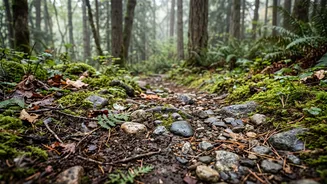
Before you discard your hiking boots, it's crucial to acknowledge the risks. The most obvious dangers are on the trail itself: sharp rocks, thorns, broken glass, and biting insects. Your feet, softened by years in shoes, are vulnerable to cuts, punctures, and bruises. There's also a risk of infection if the skin is broken. Beyond immediate injury, the transition itself poses a challenge. The muscles, tendons, and ligaments in your feet and calves will be working in new ways, and doing too much too soon can lead to soreness, strain, or more serious conditions like plantar fasciitis or stress fractures. Most experts agree that a successful transition can take two to three months of gradual effort before attempting rougher trails.
Your Step-by-Step Transition Plan
The key to successful barefoot hiking is patience. Begin your journey indoors. Spend time walking barefoot around your house to let your feet acclimate without the pressure of outdoor terrain. When you're ready to move outside, start with soft, predictable surfaces like a lawn or a sandy beach. Keep these initial sessions short, perhaps just 15-20 minutes, and pay close attention to how your body feels. Gradually increase the duration and begin to introduce slightly more varied, yet still safe, terrain, such as smooth, well-maintained dirt paths in a local park. Avoid paths with heavy leaf litter or snow where hazards could be hidden. Always carry a pair of minimalist shoes or your regular hikers with you, so you can put them on if you experience pain or encounter a section of trail you're not ready for.
Conditioning Your Feet for the Trail
While walking is the best practice, you can also perform specific exercises to accelerate conditioning. Simple routines can build strength and mobility. Try exercises like toe splays (spreading your toes as wide as you can), toe curls, and picking up small objects with your toes. Rolling a tennis or lacrosse ball under your foot can help massage and stretch the plantar fascia. Incorporating simple balance exercises, like standing on one leg while you brush your teeth, can also improve the stability of your feet and ankles. These exercises help wake up and strengthen the small, intrinsic muscles in your feet, preparing them for the demands of uneven trails.
Listen to Your Body's Signals
Throughout the transition, your most important guide is your own body. Some muscle soreness in your calves and feet is normal as they adapt, but sharp, persistent, or radiating pain is a signal to stop and rest. It means you've likely pushed too hard. Never force yourself through pain. Allow your body time to recover; this is when muscles repair and grow stronger. Pay attention to your technique as you walk. Try to step straight down, placing your weight on the ball of your foot rather than the heel. Keep your eyes on the path ahead to anticipate your next few steps. This mindful approach not only prevents injury but also enhances the sensory experience of the hike.