



The Supreme Court's Landmark Directive
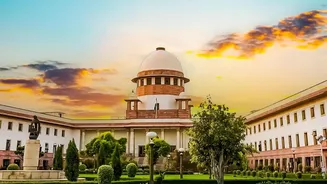
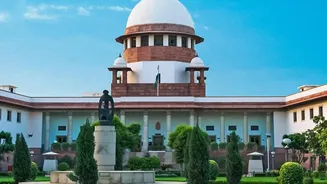
In a significant move for passenger rights, the Supreme Court of India has ordered Indian Railways to extend travel insurance coverage to all tickets sold at physical reservation counters. A bench of Justices Ahsanuddin Amanullah and R. Mahadevan issued
the directive on October 6, 2026, with a firm deadline of October 27, 2026, for its mandatory implementation. The court minced no words, stating that the Railway Board would be held directly responsible for any failure to comply. This order effectively closes a long-standing gap where insurance was a privilege for those booking online, leaving millions of offline ticket buyers without a crucial financial safety net.
A Response to Tragedy and Inaction
The court's intervention came during the hearing of a Public Interest Litigation (PIL) filed in the wake of the tragic Balasore train collision in June 2023. While the initial plea focused on the implementation of the Kavach anti-collision system, the Supreme Court widened the case's scope to address broader passenger safety issues. This included the glaring disparity in insurance access. The bench expressed its 'utter disappointment' with the lack of progress from railway authorities, who had previously assured the court that modalities for extending insurance were being worked out. After seeing no substantial change on the ground, the court took a decisive step to enforce equality for all passengers.
Bridging the Digital Divide
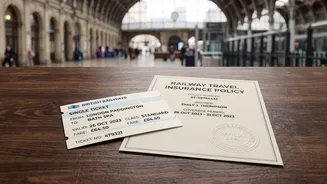
Until this ruling, the optional travel insurance scheme was exclusively available to passengers booking through the IRCTC website or mobile app. For a nominal premium of just 45 paise, online users could secure coverage of up to ₹10 lakh for accidental death or permanent disability. However, this system penalised a significant portion of the population. Those who purchase tickets at counters often belong to economically weaker sections or are from rural areas with limited digital literacy and access. The Supreme Court specifically noted that these individuals, who form a vulnerable group, were being unfairly excluded from a social safety net simply because of the way they purchased their ticket. The ruling affirms the principle that a passenger's safety and right to protection cannot be determined by their access to technology.
What This Means For Your Next Journey
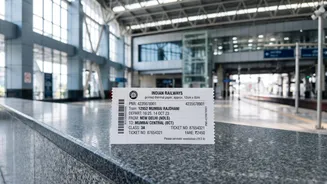
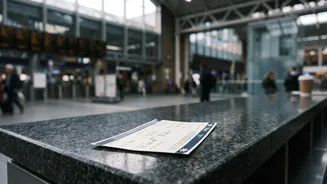
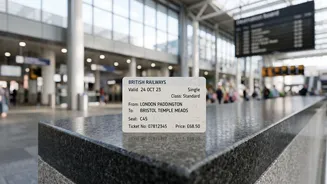
Starting October 27, 2026, any ticket purchased at a railway station counter across India is mandated to include travel insurance coverage, similar to that offered online. While the IRCTC scheme for online tickets provides coverage for accidental death, disability, and hospitalisation expenses, the exact premium and mechanism for counter tickets are yet to be detailed by the Railways. The court's order makes it mandatory, suggesting it will be an automatic inclusion rather than an opt-in facility at the counter. Passengers should look out for official announcements from Indian Railways regarding the final implementation details, including how to fill nomination details and the process for making a claim. This move ensures that millions more travelling on the nation's lifeline will have a degree of financial protection, regardless of whether their ticket was booked with a click or with cash at a counter.