



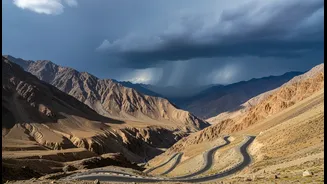


The Rain Shadow Secret
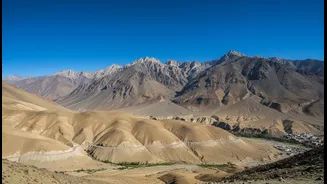
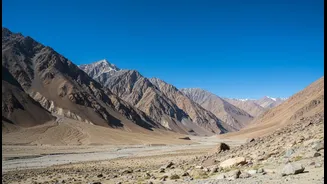
Spiti's magic lies in its geography. Tucked away in the high reaches of Himachal Pradesh, it sits in a 'rain shadow' zone. The towering Great Himalayan ranges to the south act as a massive barrier, blocking the moisture-laden monsoon clouds from ever
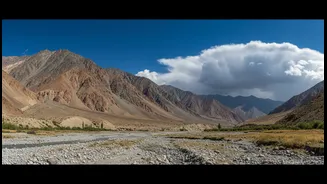
reaching the valley. While the rest of the country experiences heavy rainfall from July to September, Spiti remains a cold desert, receiving less than 50 mm of rain annually. This unique phenomenon means you can trade your umbrella for sunglasses and enjoy uninterrupted, sunny days perfect for exploration, making it a safe and accessible destination during the monsoon months.
A Journey Unlike Any Other
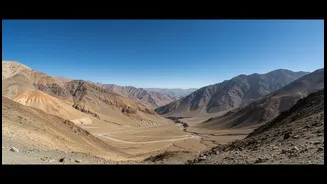
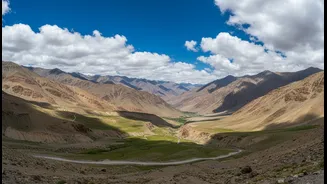
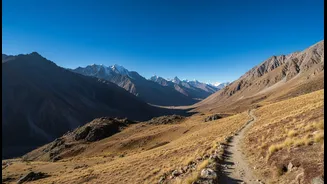
Reaching Spiti is an adventure in itself, with two primary routes offering starkly different experiences. The most reliable monsoon path starts from Shimla, winding through the lush, rain-kissed Kinnaur Valley. This route generally stays open year-round, though the lower parts can experience temporary monsoon-related roadblocks. The alternative is the more rugged Manali-Kaza highway, which crosses the iconic Rohtang and Kunzum passes. This route usually opens in June and is famous for its dramatic vistas, but can be challenging with water crossings from glacial melt. Whichever path you choose, the journey into the dry, barren landscapes of Spiti after passing through greener regions is a breathtaking transition.
What Awaits in the Cold Desert
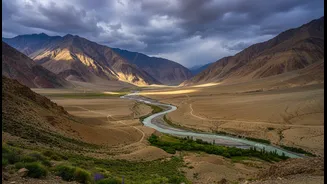
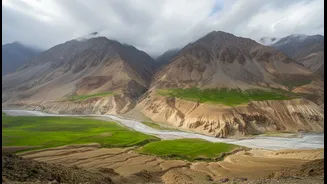
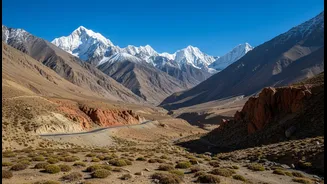
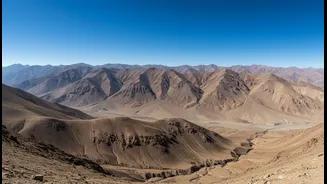
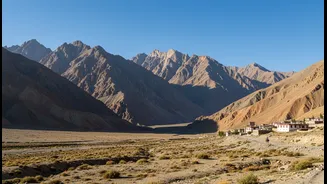
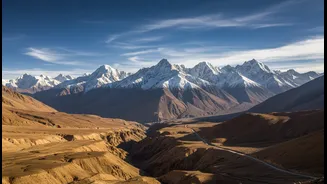
Once inside the valley, a world of ancient culture and stark beauty unfolds. Spiti is home to some of the oldest and most spectacular Buddhist monasteries in the world. The Key Monastery, perched dramatically on a hilltop, is the largest in the valley, while the Tabo Monastery, a UNESCO World Heritage site, is renowned as the 'Ajanta of the Himalayas' for its stunning murals. Beyond the monasteries, you can explore surreal villages like Langza, known for its giant Buddha statue and ancient marine fossils, and Hikkim, home to the world's highest post office. The landscape itself, a canvas of barren mountains, deep gorges, and the winding Spiti River, is an attraction of its own.
The 'Hack' Advantage
Visiting Spiti during the monsoon season offers several unique advantages. Firstly, you'll encounter fewer tourists compared to the peak summer rush, allowing for a more serene and peaceful experience at monasteries and viewpoints. This is the ideal time for photographers, solo travellers, and anyone seeking solitude. Secondly, the valley shows a rare hint of green during this period, with wildflowers blooming in patches, creating a beautiful contrast against the brown, barren mountains. Furthermore, cultural events like the La Darcha Fair, a traditional trade festival, often take place in July or August, offering a vibrant glimpse into the local way of life.
Planning Your Monsoon Escape
While Spiti itself is dry, a monsoon trip requires smart planning. The most crucial factor is acclimatization. Given the high altitude (averaging over 12,500 feet), it's vital to spend at least a day or two resting in Kaza or Tabo to prevent Acute Mountain Sickness (AMS). Packing should include layers: warm jackets for the cold nights and light clothes for the sunny days. Even though it's dry, waterproof gear is a good idea for the journey into the valley. Always check road conditions before you travel, especially if considering the Manali route, and consider hiring an experienced local driver who knows the terrain well. With the right preparation, this high-altitude desert offers an unforgettable adventure when most other destinations are out of reach.