

What is This 'In-Between' Cabin?
Think of Premium Economy as its own distinct travel class, not just a slightly better Economy seat. First introduced in the early 1990s, it was designed to bridge the gap between the affordability of Economy and the luxury of Business Class. On most airlines,
this means a separate, smaller cabin, creating a quieter and more exclusive environment. The core promise is more comfort and better service without the significant price jump to a lie-flat bed. The growth in this category has been dramatic; data shows a tenfold increase in weekly premium economy seats in the Indian market over the past few years, a sign that airlines are betting big on this middle ground. This expansion is led by carriers like Air India and Emirates, who are retrofitting their fleets and adding more premium options to meet rising demand from both corporate and leisure travellers.
More Than Just Extra Legroom
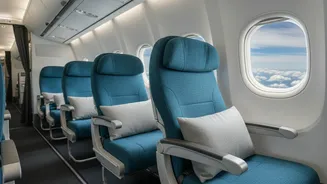
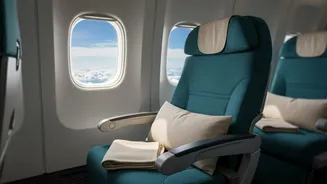
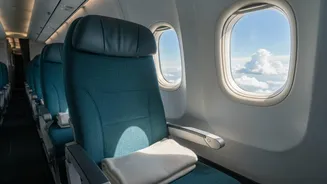
The most significant upgrade is the seat itself. In Premium Economy, you can typically expect five to seven inches of extra legroom, wider seats, and a deeper recline compared to standard Economy. Many also feature adjustable leg rests and headrests. But the benefits start before you even board, with many airlines offering dedicated check-in counters and priority boarding. The perks continue onboard. Expect an elevated dining experience, often with meals served on real chinaware with metal cutlery, a wider selection of drinks, and a larger personal entertainment screen. A higher baggage allowance is another key feature, which is a significant advantage for travellers on long-haul trips to and from India. An amenity kit, something usually reserved for business class, is often included as well.
Who's Flying It to India?
A growing list of international and domestic carriers now offer Premium Economy on India-bound flights. Air India has made it a cornerstone of its $400 million fleet overhaul, rolling it out across both its new and retrofitted long-haul aircraft. Vistara was a pioneer in the Indian domestic market, and its offerings have now been integrated into the Air India network. International giants have also embraced the trend. Emirates is aggressively expanding its Premium Economy service, and by late 2026, it will be available on dozens of weekly flights to six major Indian cities: Delhi, Mumbai, Bengaluru, Kolkata, Ahmedabad, and Kochi. Other major players on India routes, including Lufthansa, Singapore Airlines, British Airways, and Cathay Pacific, also offer a well-established Premium Economy product.
The Big Question: Is It Worth the Extra Money?
The price of a Premium Economy ticket can vary significantly, but it generally costs 20-80% more than an Economy ticket on the same flight. However, it remains substantially cheaper than Business Class, often coming in at less than half the price. The value proposition is strongest on long-haul and ultra-long-haul routes, like those connecting India with North America, Europe, or Australia. On an overnight flight of nine hours or more, the extra space, recline, and comfort can make a world of difference in how rested you feel upon arrival. It's an ideal choice for travellers who need to be productive or simply want to prioritize comfort but find a Business Class fare difficult to justify. For daytime flights, the value might be less about sleep and more about having the extra personal space to work or relax without feeling cramped.