





Embrace the Spirit of Monsoon Festivals
July is a spectacular time for cultural immersion in the Northeast, as communities celebrate with vibrant, age-old festivals. In Meghalaya, the Pnar people of Jowai celebrate the Behdeinkhlam festival, one of the most significant cultural events in the state.
This four-day spectacle, scheduled from July 11-14 in 2026, is a colourful and energetic affair to drive away plague and pray for a bountiful harvest. Imagine towering decorative structures called 'rots' being carried through the streets, accompanied by the powerful beat of drums—it's a raw, authentic experience far from any curated tourist event. Meanwhile, in Arunachal Pradesh, the Apatani community in Ziro Valley celebrates the Dree Festival on July 5th. This agricultural festival involves offerings to deities for crop protection and prosperity, marked by traditional dances, community feasts, and an abundance of local rice beer. Witnessing these festivals offers a genuine connection to the region's ancient faiths and traditions.
Witness Nature in Full Glory
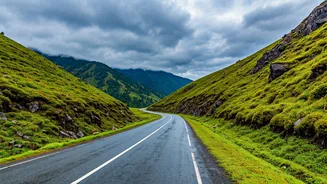
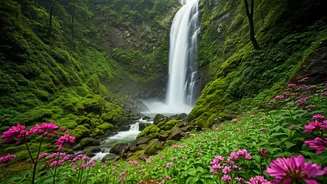
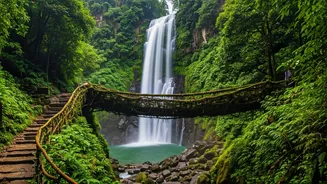
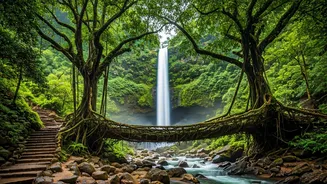
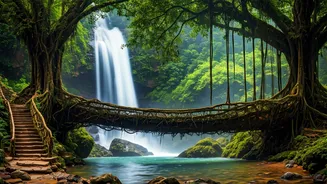
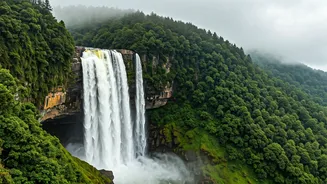
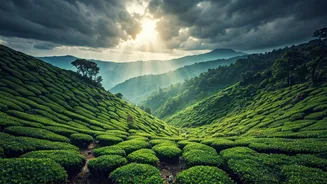
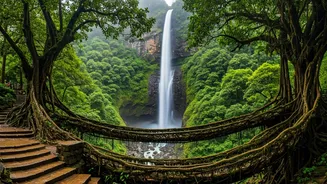
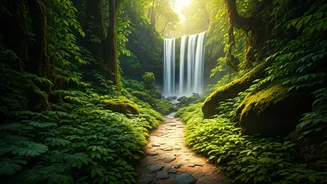
The monsoon doesn't dampen the Northeast; it brings it to life. The entire region is draped in a brilliant, fresh coat of green, and the waterfalls are at their most powerful and magnificent. Meghalaya, the 'Abode of Clouds', truly lives up to its name this time of year. Waterfalls like Nohkalikai, Seven Sisters, and Elephant Falls become thunderous cascades that are a sight to behold. The misty, ethereal landscape is perfect for drives through Cherrapunji and for walks across the famous living root bridges, which look even more mystical when shrouded in fog. While heavy rains can make some treks challenging, the visual reward is unparalleled. It’s a time when nature is not just a backdrop but the main event.
Savour the Flavours of the Season
Monsoon brings a unique bounty to the markets and kitchens of the Northeast. It's the perfect season to explore the region's distinctive cuisine, which is deeply connected to the local environment. Fermented foods are a cornerstone, and a rainy day is the best time to try them cooked hot and fresh. In Meghalaya, look for 'Nakham Bitchi', a comforting and spicy soup made from dried fish that is perfect for a cool, rainy day. Fermented bamboo shoots are a delicacy across many states, often cooked into hearty pork or fish curries that are both earthy and flavour-packed. In Nagaland, you might encounter dishes featuring 'Axone' (fermented soybean) or the infamous 'Bhut Jolokia' chilli, which locals use to add heat and flavour to their meals, providing a perfect antidote to the damp weather. A homestay is often the best place to safely sample these unique local flavours.
Enjoy the Perks of Off-Season Travel
Since many travellers shy away from the monsoon, July offers a more peaceful and intimate experience. Popular spots are less crowded, allowing for more personal and unhurried exploration. This often translates to more authentic interactions with locals, who are typically in a festive and relaxed mood post-sowing season. The slower pace allows you to truly soak in the atmosphere, whether you're lingering in a cafe in Shillong, watching the rain fall over Umiam Lake, or chatting with artisans in a Naga village. Furthermore, travelling during this shoulder season can be more budget-friendly, with potential deals on flights and accommodation.
Practical Tips for Your Monsoon Adventure
While travelling in the Northeast during July is rewarding, it requires some planning. Heavy rainfall can sometimes lead to landslides and road blockages, so it's crucial to build flexibility into your itinerary. Pack waterproof everything: a good raincoat, waterproof footwear, and waterproof bags for your electronics and documents are essential. It's also wise to carry basic medications and a good insect repellent. While main roads are generally kept open, travel to more remote areas can be affected, so it's a good idea to hire a reliable local driver or book with a tour operator who understands the local conditions. Keep in mind that some national parks, like Kaziranga, are closed during this period due to flooding.