


The Abode of Clouds Awakens
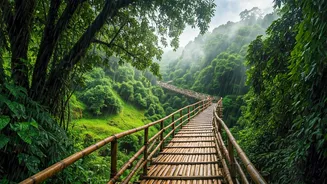
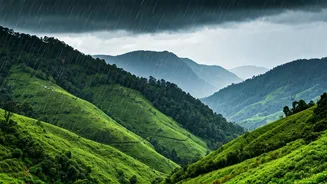
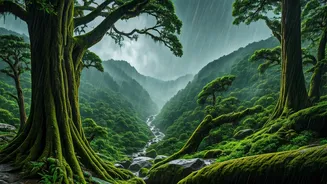
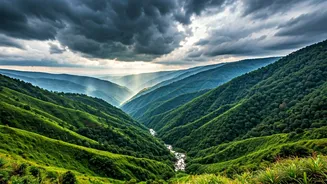
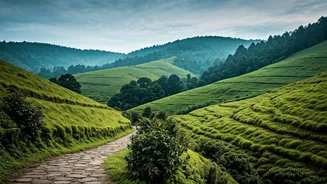
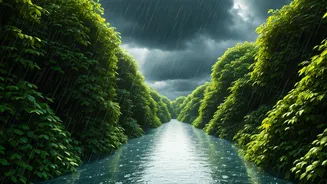
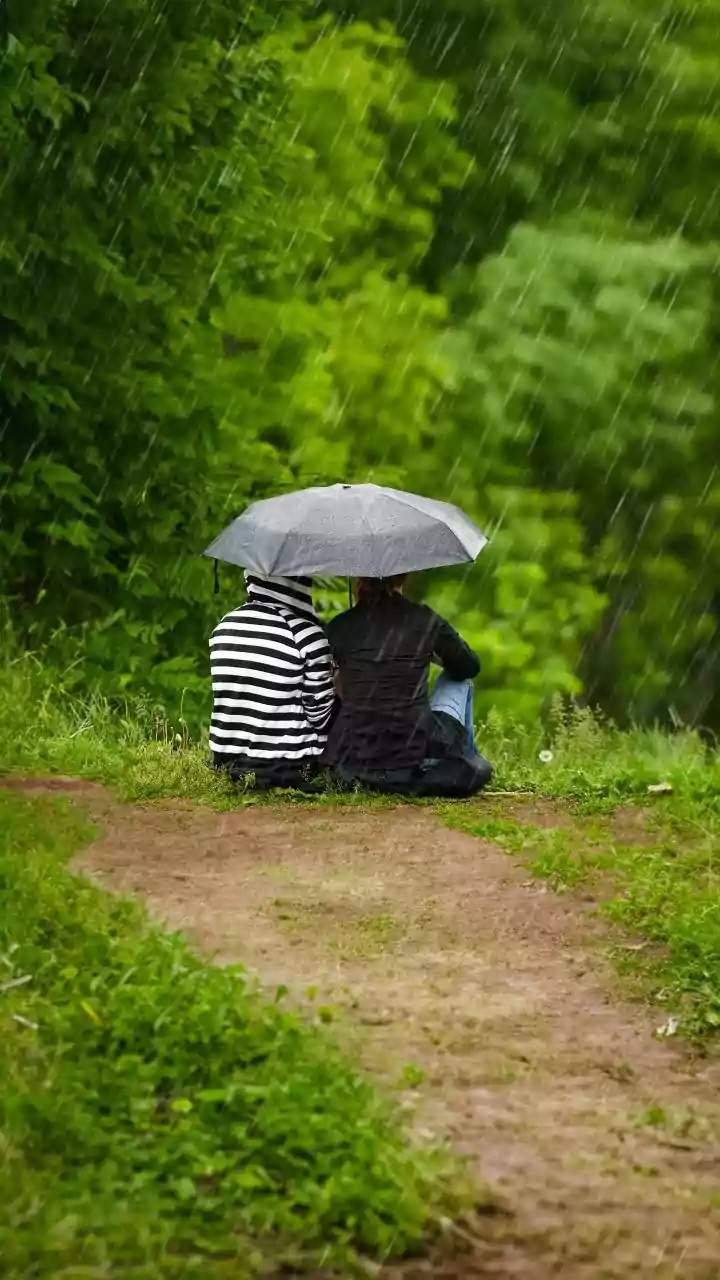
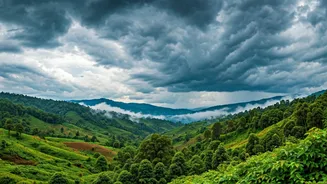
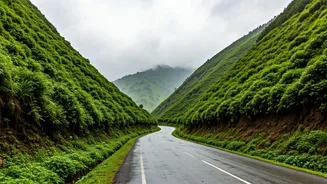
Meghalaya, aptly named the 'abode of clouds', undergoes a dramatic transformation during the monsoon. The landscape, already lush, turns into a brilliant canvas of countless shades of green. Mist clings to the rolling Jaintia Hills, and the air is thick
with the smell of wet earth and fresh growth. While many parts of the country see the monsoon as a time to stay indoors, in Jowai, it is an invitation to witness nature’s most powerful performance. This is not a gentle pitter-patter; it is a life-affirming deluge that swells rivers, awakens dormant waterfalls, and fuels a unique cultural rhythm that has been practiced for centuries.
A Cultural Climax: The Behdeinkhlam Festival
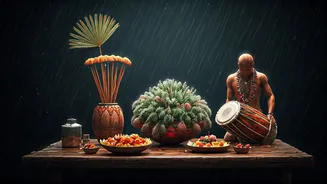
Nowhere is Jowai's monsoon energy more palpable than during the Behdeinkhlam festival. Celebrated annually in July by the Pnar people, this is one of Meghalaya’s most important and colourful festivals. The name itself translates to “chasing away the demon of plague” with sticks. It is a vibrant, three-day affair that combines solemn rituals with uninhibited joy, all in sync with the rhythm of the falling rain. Young men symbolically drive away evil spirits by beating the roofs of houses with bamboo poles. The celebration culminates at a muddy ditch called Wah-eit-nar, where teams compete to move a large wooden beam, and later at a sacred pool where towering decorative structures called 'rots' are immersed. The event is a powerful expression of communal hope, a prayer for a bountiful harvest, and a spectacular display of cultural pride.
Waterfalls in Their Full Glory
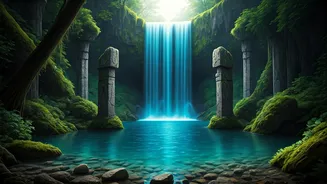
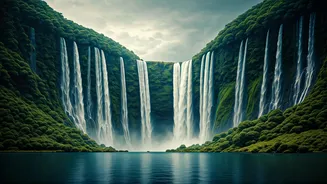
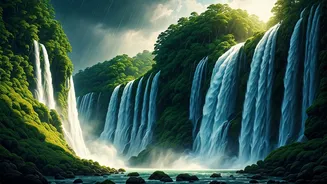
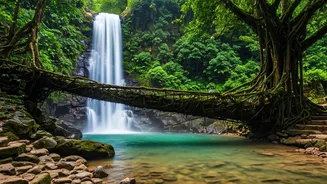
The monsoon is the season when Jowai’s waterfalls, magnificent year-round, become truly breathtaking spectacles of nature's power. Two nearby falls, in particular, command attention. Tyrshi Falls, often compared to Shillong's famous Elephant Falls, transforms into a thunderous, multi-tiered cascade that plunges into the lush Pynthor Nein valley. An arched bridge and a walking path provide stunning panoramic views of the milky white water pouring over the rocks. Then there is Krang Suri, arguably one of India’s most beautiful waterfalls. During the monsoon, its famously turquoise plunge pool is fed by a powerful cascade, creating a scene of raw, untamed beauty. While swimming can be hazardous due to the strong currents this season, witnessing the sheer volume and force of the water is an experience in itself.
A Deeper Connection to Nature
The energy in Jowai during the monsoon is more than just a visual spectacle; it reflects a deep, symbiotic relationship between the people and their environment. The Pnar community, with its matrilineal traditions and indigenous Niamtre faith, has a culture deeply intertwined with nature. Festivals like Behdeinkhlam are not just cultural events but are tied to the agricultural cycle and the well-being of the community. The sacred groves, the respect for rivers, and the use of local plants are all part of a heritage that sees nature not as a resource to be exploited, but as a force to be respected and lived in harmony with. This perspective offers a valuable lesson in a world increasingly disconnected from its natural roots.