








Why Your Gut Loves Diversity
Think of your gut as a bustling rainforest, home to trillions of microorganisms, including bacteria, fungi, and viruses, collectively known as the gut microbiome. A healthy, diverse microbiome is essential for everything from digestion and immune function
to brain health. Just like a rainforest thrives with a variety of plants and animals, your gut microbiome flourishes when you feed it a wide range of foods. A lack of dietary diversity can lead to an imbalance, where less helpful bacteria may take over. The key to cultivating a rich and resilient internal ecosystem lies in consistently eating a variety of plant-based foods. This is because different foods provide different types of fuel for the beneficial microbes in your gut.
Paint Your Plate with Colourful Plants
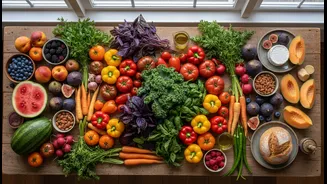
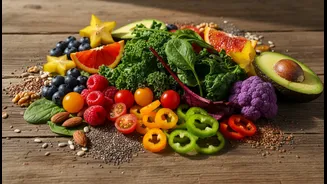
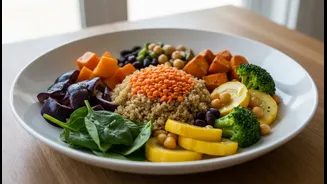
The advice to "eat the rainbow" is powerful for gut health. The vibrant colours in fruits and vegetables come from natural compounds called phytochemicals, particularly polyphenols. These compounds act as antioxidants and, crucially, as food for your beneficial gut bacteria. Different colours signify different types of polyphenols, each offering unique benefits. For example, red foods like tomatoes contain lycopene, while blue and purple foods like blueberries and eggplant are rich in anthocyanins, which can promote the growth of beneficial bacteria like Bifidobacterium and Lactobacillus. By including a wide spectrum of colours on your plate—from leafy greens to orange carrots and red bell peppers—you provide a feast of different nutrients that encourage a diverse and robust microbial community.
The Foundational Role of Whole Grains
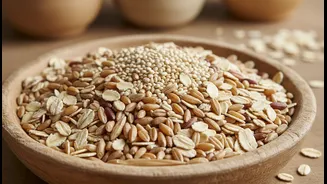
Whole grains are another cornerstone of a gut-healthy diet. Unlike refined grains, which are stripped of their outer layers, whole grains like oats, barley, brown rice, and whole wheat are packed with dietary fibre. Your body can't digest this fibre on its own, so it travels to your large intestine where it becomes a perfect food source—a prebiotic—for your gut microbes. As the bacteria ferment this fibre, they produce beneficial compounds called short-chain fatty acids (SCFAs). These SCFAs serve as a primary energy source for the cells lining your colon, help reduce inflammation, and support the integrity of your gut barrier, which is crucial for overall health. Studies have shown that diets rich in whole grains can increase the abundance of beneficial bacteria.
The Power of Protein-Packed Legumes
Legumes—a category that includes beans, lentils, chickpeas, and peas—are nutritional powerhouses for your gut. They offer a powerful dual benefit: they are rich in both protein and fibre. The fibre in legumes includes resistant starch, a type of carbohydrate that resists digestion in the small intestine and acts as a potent prebiotic in the colon. This nourishes beneficial gut bacteria, which in turn helps maintain a healthy gut environment. Regular consumption of legumes has been linked to increased microbial diversity. While some people experience gas or bloating when first increasing their legume intake, this is often a sign that your gut microbes are actively fermenting the fibre. Starting with small portions and gradually increasing your intake can help your system adapt.
Simple Swaps for a Healthier Gut
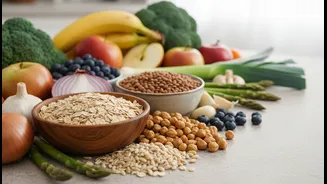
Incorporating more colour, grains, and legumes doesn't require a complete dietary overhaul. Start with small, manageable changes. Try adding a side of steamed broccoli or a colourful salad to your lunch. Swap white rice for brown rice or quinoa with your dinner. Add a handful of lentils to your favourite soup or black beans to your weekly taco night. For breakfast, top a bowl of oatmeal with a variety of colourful berries. Each small swap contributes to greater dietary diversity, providing your gut microbiome with the varied nutrients it needs to thrive and support your long-term health and well-being.