





From Online Rants to Official Records
Every consumer in India has a story: a questionable meal, a packet of snacks that seemed off, or produce that was far from fresh. Historically, the recourse was limited. Many turned to social media to voice their anger, hoping to catch the brand's attention.
While sometimes effective for a refund, these complaints rarely contributed to a systemic solution. They were digital shouts into a crowded room. The Food Safety and Standards Authority of India (FSSAI) has acknowledged this gap, understanding that public health requires a more structured approach than a viral tweet. The challenge has always been to channel widespread consumer dissatisfaction into actionable data that can be used for enforcement and to hold businesses accountable.
What is the 'Food Safety Connect' Platform?
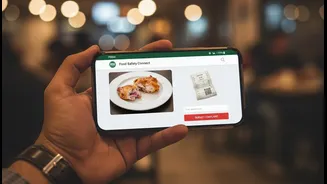
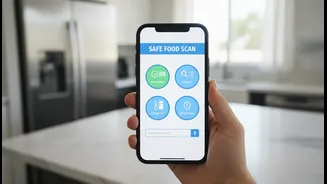
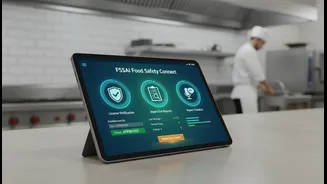
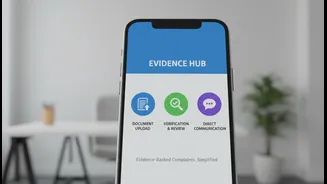
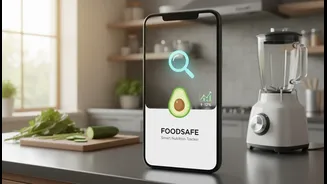
FSSAI has rolled out a unified consumer grievance system accessible via the 'Food Safety Connect' mobile app and a web portal. This isn't just a suggestion box; it's an official channel designed to formally lodge and track complaints about food products and eateries across the country. The core objective is to empower citizens to become active participants in the food safety ecosystem. The platform handles issues ranging from adulterated or expired products to unhygienic restaurant kitchens, misleading labels, and poor handling practices by food delivery services. By centralising these complaints, FSSAI aims to build a comprehensive, real-time picture of food safety issues as they emerge.
How Evidence Changes the Game
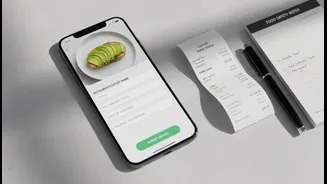
The key difference in this new system is the emphasis on evidence. When lodging a complaint, consumers are prompted to upload supporting documents. This includes photos of the product, videos of unhygienic conditions, and copies of the bill. A single photograph can be enough to trigger an investigation. This evidence-based approach transforms a subjective claim into a verifiable report. It provides authorities with concrete details needed to conduct an effective investigation. Each complaint is assigned a unique tracking ID, allowing the consumer to monitor its progress as it is forwarded to the relevant food safety authority for action. This creates a transparent and accountable process, moving far beyond the anonymous and often unverifiable complaints of the past.
More Than Just Individual Complaints
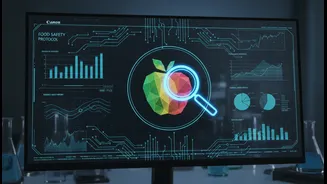
While resolving individual grievances is important, the platform's true power lies in data aggregation. Every evidence-backed complaint contributes to a national database that FSSAI can analyse to identify patterns. This data can reveal if a particular brand has recurring quality issues, if a specific location is a hotspot for hygiene violations, or if a certain type of food product is frequently adulterated. Such insights enable the regulator to move from reactive enforcement to proactive surveillance, targeting inspections and resources more effectively. Recent FSSAI actions against major e-commerce platforms, prompted by consumer complaints about expired or spoiled goods, show this system in action. The platform also serves as an educational tool, providing consumers with information about their rights and food safety standards.
The Road to a Safer Food Ecosystem
The success of 'Food Safety Connect' ultimately depends on two factors: consumer adoption and regulatory efficiency. FSSAI has been actively promoting the app, urging consumers to become the 'eyes' of the organization and even requiring food businesses to display its QR code on their premises. However, for this shift to be permanent, the backend process must be robust. Complaints must be investigated promptly and transparently, with clear outcomes. If consumers see that their evidence-backed reports lead to tangible actions—like penalties for non-compliant businesses or improved hygiene standards—trust in the system will grow. While some early user reviews of the app have pointed out technical glitches, the platform represents a fundamental change in the relationship between the consumer, the seller, and the regulator.