









1. Human-Machine Teaming Manager
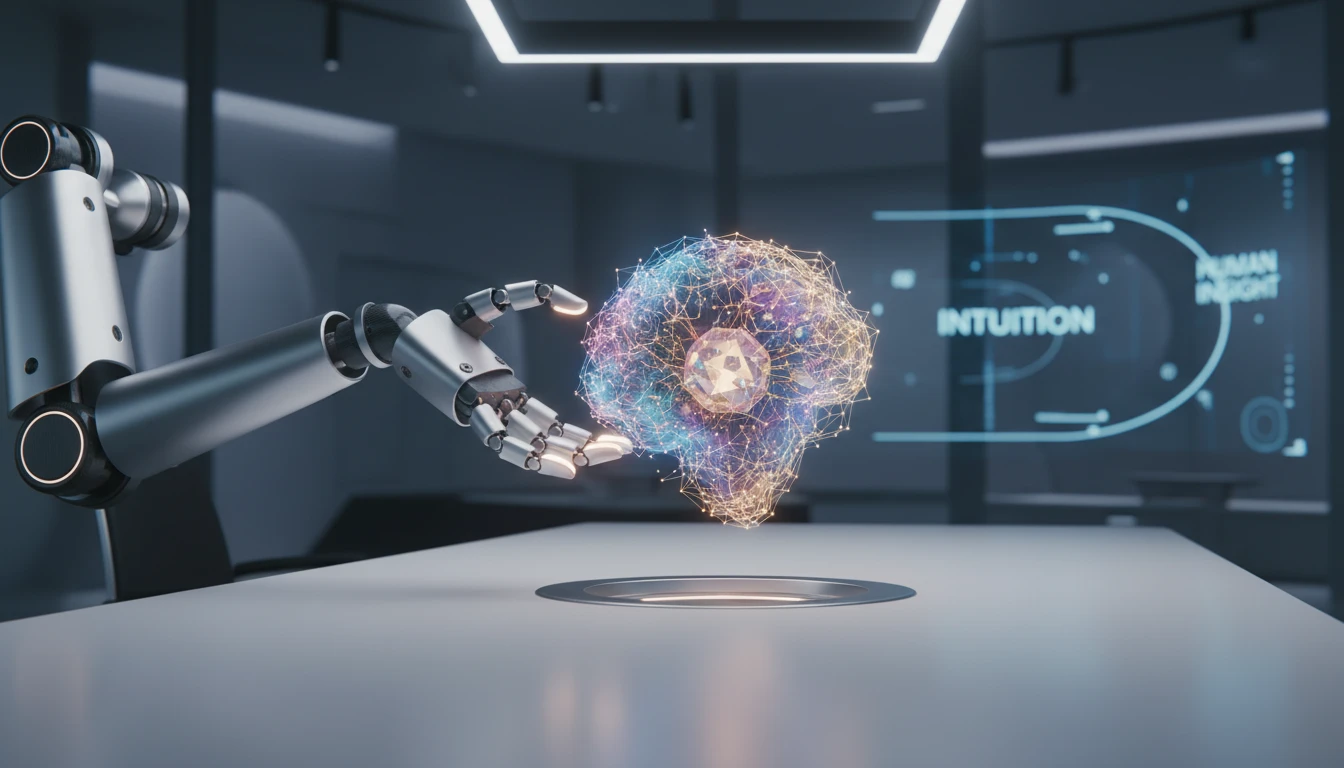
As workplaces integrate more AI and robotics, a new leadership role is emerging: the Human-Machine Teaming Manager. The job isn’t just about implementing new tech; it’s about managing the relationship between human employees and their new digital or robotic colleagues.
This requires a high degree of emotional intelligence to bridge the gap between human intuition and machine logic. These managers must be able to sense and address the anxieties and frustrations of human team members, foster trust in automated systems, and design workflows where both sides can excel. It’s a role that’s part psychologist, part strategist, and part tech evangelist, using EQ to ensure that technology empowers people rather than replaces them. AI can’t manage human emotions or build a collaborative culture, making this a deeply human, and therefore AI-resistant, career.
2. AI Ethicist and Bias Auditor
Artificial intelligence learns from the data we give it, which means it can inherit and even amplify human biases. This has created an urgent need for AI Ethicists, professionals who ensure that AI systems are developed and deployed responsibly, fairly, and safely. This role is fundamentally about anticipating the human impact of technology. It requires deep empathy to understand how an algorithm might negatively affect different communities. An AI Ethicist uses emotional and social intelligence to navigate complex moral dilemmas, facilitate difficult conversations between developers and affected stakeholders, and advocate for more inclusive technology. While an AI can check for statistical anomalies in data, it cannot feel the weight of a biased decision or understand its societal consequences, making human ethical judgment, guided by EQ, irreplaceable.
3. Digital Transformation Coach
Introducing new technology into a company often fails not because of the tech itself, but because of human resistance to change. A Digital Transformation Coach is a specialist who guides employees and leaders through the turbulence of technological shifts. Their main job is to manage the human side of change. This demands immense emotional intelligence—the ability to listen actively, empathize with employees' fears of becoming obsolete, and motivate teams to embrace new ways of working. They don't just explain how to use a new software; they create psychological safety and help build the resilience needed to adapt. An AI can run a tutorial, but it cannot sense the anxiety in a room, build consensus, or inspire confidence in a new direction. This makes the role a critical, human-centric function in any modern organization.
4. Employee Experience (EX) Manager
Moving beyond traditional HR, the Employee Experience Manager focuses on curating a positive, engaging, and supportive journey for every employee within an organization. From hiring and onboarding to daily work life and career development, their goal is to foster a strong sense of belonging and well-being. This requires a profound ability to read the emotional climate of a workplace, understand diverse individual needs, and design systems that make people feel valued. High EQ is essential for building trust, mediating conflicts, and championing a culture where people can do their best work. An AI can track metrics like turnover and survey results, but it cannot have a heartfelt conversation with a struggling employee or build the genuine human connections that form the backbone of a great company culture.
5. Personalised Healthcare Navigator
While AI is making huge strides in diagnostics and data analysis, the healthcare experience remains deeply personal and often frightening. The role of a Healthcare Navigator is to act as a guide and advocate for patients, helping them navigate complex medical systems, understand their treatment options, and cope with the emotional stress of illness. This job is almost entirely built on emotional intelligence. It requires the ability to show compassion, communicate complex information with clarity and empathy, and build a relationship of trust with patients and their families during vulnerable times. An AI can process medical records and suggest treatments, but it cannot offer a comforting presence, understand unspoken fears, or provide the human-to-human support that is essential for healing.