




The Game-Changing Visa, Explained
For years, the visa process was a significant hurdle for many planning a trip to Vietnam. The old system often involved shorter stays, single-entry permissions, and sometimes confusing visa-on-arrival procedures. That has all changed. Vietnam recently
launched a new e-visa policy for citizens of all countries, including India. The new system allows travellers to apply online for a visa that is valid for up to 90 days and permits multiple entries. This means you can plan a longer, more immersive trip, or even use Vietnam as a base to explore neighbouring countries and re-enter without a new application. The process is now straightforward: fill out an online form, upload your photo and passport page, pay a small fee, and receive your e-visa via email within a few working days. This single change has removed a major point of friction, making spontaneous and extensive travel to Vietnam a reality.
More Time for Majestic Landscapes
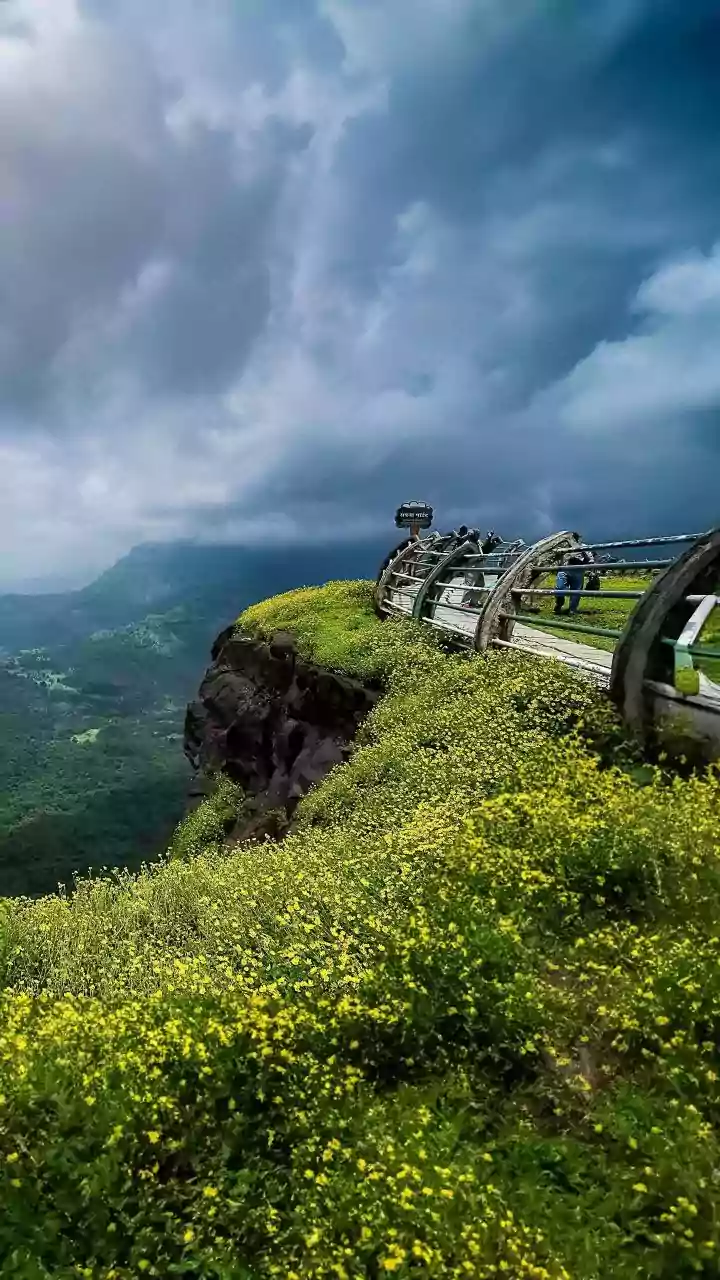
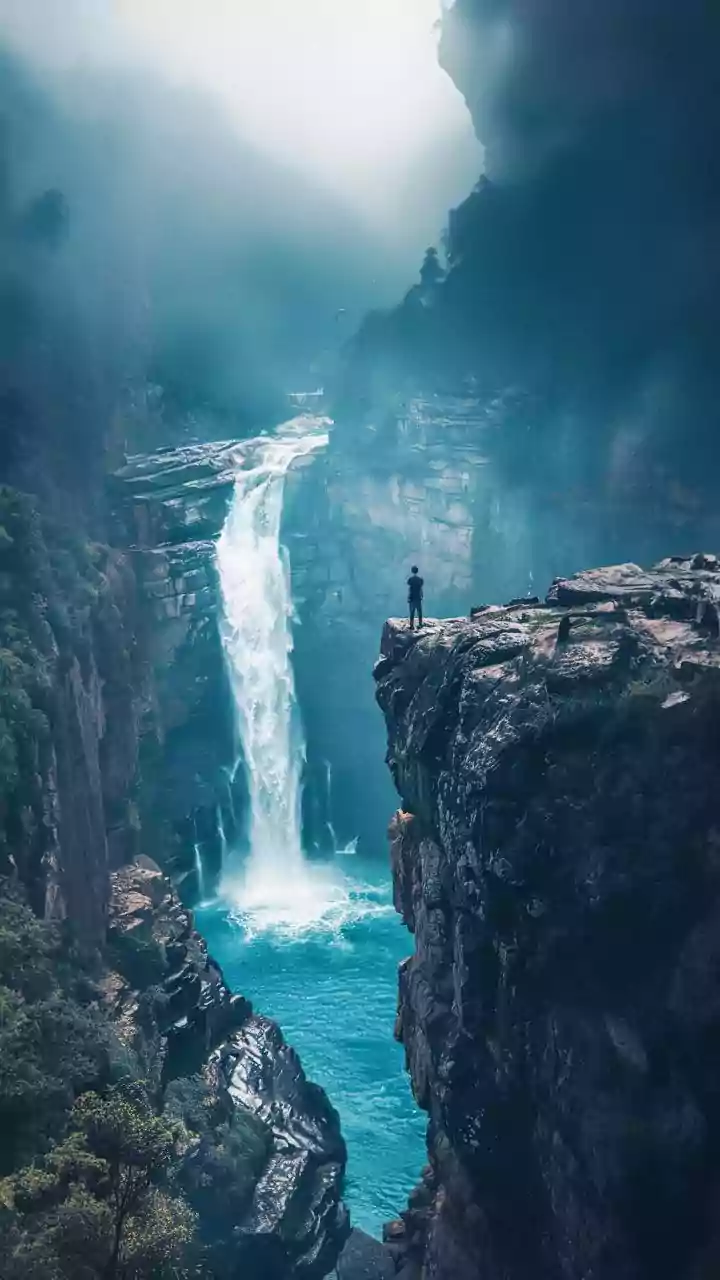
A 30-day visa was always a tight squeeze for a country as long and diverse as Vietnam. With 90 days at your disposal, you no longer have to choose between destinations. You can now properly explore the otherworldly limestone karsts of Ha Long Bay on a multi-day cruise, without feeling rushed. Take your time trekking through the terraced rice paddies and ethnic villages of Sapa in the north, an experience that deserves more than a fleeting visit. The extended duration allows for slow travel, letting you truly soak in the natural beauty without constantly watching the clock and worrying about your next flight.
Dive Deep into Urban Culture
Vietnam’s cities are a thrilling blend of ancient history and modern energy. The new visa gives you the luxury of exploring them like a local, not a tourist on a tight schedule. Spend a week in Hanoi, sipping egg coffee in the Old Quarter, catching a water puppet show, and exploring its countless temples and museums. Then, fly south to Ho Chi Minh City (formerly Saigon) and immerse yourself in its bustling street life, poignant war museums, and chic rooftop bars. Don't forget the charming, lantern-lit streets of Hoi An, a UNESCO World Heritage site, where you can get clothes tailored, take a cooking class, and cycle through picturesque countryside—all without the pressure of a looming departure date.
A Culinary Journey Without the Rush
Vietnamese food is a destination in itself, and a longer trip means you can savour it all. The country’s cuisine varies dramatically from north to south. With more time, you can go beyond the famous bowls of pho and banh mi. You can dedicate days to exploring the imperial cuisine of Hue, tasting the unique noodles of Da Nang, and enjoying the fresh seafood on the island of Phu Quoc. The relaxed timeline allows for food tours, cooking classes, and spontaneous street food adventures, turning your holiday into a genuine gastronomic exploration. You can finally try that hidden-away local spot your friend recommended without sacrificing a major landmark.
Flexibility to Explore From North to South
The multiple-entry feature is another underrated benefit. It gives you incredible flexibility. You could start in Hanoi, travel down the coast to Da Nang and Hoi An, then fly to Cambodia to see Angkor Wat for a few days, and fly back into Ho Chi Minh City for the final leg of your journey. Previously, this would have required complex visa planning. Now, it's seamless. This freedom transforms your trip from a linear itinerary into a dynamic Southeast Asian adventure, with Vietnam as your convenient and welcoming home base. It encourages a more adventurous style of travel, knowing you can easily return.
Unprecedented Value for Money
Vietnam has always been known as a budget-friendly destination, and the new visa policy enhances this advantage. By allowing for longer stays, you can take advantage of better rates on monthly accommodations, like apartments or homestays. You can travel more slowly using cheaper local transport such as trains and buses, rather than relying on expensive last-minute flights. Your daily expenses on food and activities, which are already low compared to many other destinations, feel even more manageable over a longer period. The simplified, low-cost e-visa fee itself also cuts down on initial travel costs, making the entire proposition more attractive for budget-conscious Indian travellers looking for maximum value.