





The Unstoppable Mint (Pudina)
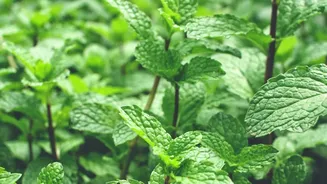
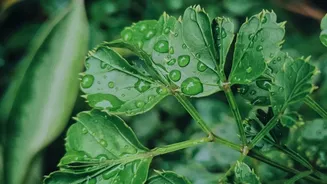
Mint is arguably the easiest and most rewarding herb for a beginner. It is a famously vigorous grower that thrives in partial shade and actually appreciates the consistent moisture of the rainy season. Its refreshing aroma is a delight, and having fresh pudina
on hand for chutneys, raitas, and cooling drinks is a monsoon luxury. Start with a healthy cutting from a bunch you bought at the market. Place it in a glass of water, and within a week, you’ll see roots emerge. Plant it in its own pot, as mint sends out runners and can quickly take over other plants. While it loves water, ensure the pot has excellent drainage to prevent the roots from rotting during heavy downpours. Harvest leaves regularly from the top to encourage the plant to grow bushier and fuller.
The Essential Coriander (Dhania)
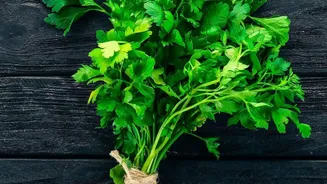
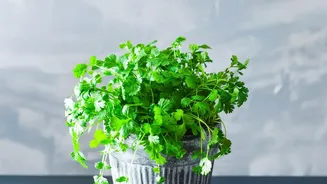
No Indian kitchen can function without coriander, and the good news is that you can grow it successfully during the monsoon. Coriander prefers cooler temperatures and growing it in partial shade prevents it from 'bolting'—flowering prematurely, which can turn the leaves bitter. The overcast, cooler days of the monsoon are ideal for cultivating lush dhania leaves. Grow it from whole coriander seeds from your kitchen, gently crushed to split them in half. Sow them in a wide, relatively shallow pot. The biggest challenge with coriander in the rain is waterlogged soil. Use a light, sandy soil mix and a pot with plenty of drainage holes. Harvest the outer leaves first, allowing the inner leaves to continue growing, ensuring a steady supply for garnishing your dals and curries.
The Sacred Holy Basil (Tulsi)
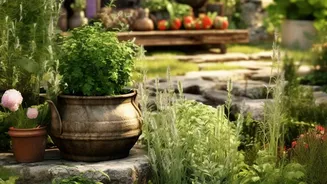
A Tulsi plant is a staple in many Indian households for both spiritual and medicinal reasons. While Tulsi generally loves sun, many varieties are resilient and can adapt to a partially shaded balcony. If you want to grow Tulsi, give it the brightest spot available, perhaps where it can catch a few hours of morning or late afternoon sun. It’s crucial to protect it from the direct force of heavy monsoon rains, which can damage its leaves and oversaturate the soil. Use a well-draining soil mix and consider a terracotta pot, which helps the soil breathe. Avoid overwatering; check that the top inch of soil is dry before watering again. Regular pinching of its flowering heads will encourage a bushier plant with more leaves for your morning chai or home remedies.
The Hardy Parsley
While not a traditional Indian herb, parsley is incredibly versatile and its clean, fresh taste is becoming popular in urban kitchens for salads, sauces, and garnishes. It is an excellent choice for a shady garden as it thrives in partial shade and is well-suited to container living. In fact, intense, direct sunlight can scorch its leaves, making a shaded balcony an ideal home. Like other herbs, it requires well-draining soil and doesn't like to have its roots sitting in water. Parsley can be grown from seeds, though they can be slow to germinate, so patience is key. Once it takes hold, you can harvest the outer stems regularly, and the plant will continue producing new growth from the centre.
Your Monsoon Care Toolkit
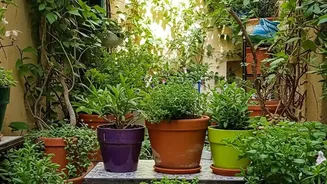
Growing herbs during the monsoon on a shady balcony requires a few smart adjustments. First, the right pot is non-negotiable. Choose terracotta pots with multiple drainage holes to prevent waterlogging and allow air to reach the roots. Second, create a custom soil mix. Avoid heavy garden soil and instead use a light mixture of soil, cocopeat (or sand), and compost. This ensures nutrients and excellent drainage. Third, master the art of watering. Just because it's raining doesn't mean your plants need constant water. If your pots are sheltered from the rain, water them only when the top layer of soil feels dry. If they are exposed, ensure the excess water can drain away freely. Finally, watch for pests like aphids, which thrive in high humidity. A simple spray of neem oil solution can keep them at bay.