







The Tyranny of the Wheeled Box
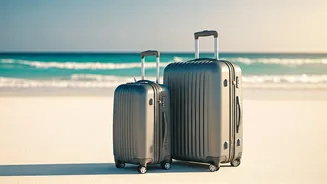
For decades, the hard-shell or soft-shell rolling suitcase has been the default choice for travellers. It promised order, protection, and the effortless glide of four spinning wheels. But this promise often shatters—sometimes literally. The reality of modern
travel involves budget airline weight restrictions, rough handling by baggage staff, crowded train compartments, and destinations that don't have perfectly paved surfaces. Those convenient wheels get jammed with dirt or snap off on a cobblestone street. The rigid shell, designed to protect, ends up consuming precious kilograms of your baggage allowance before you've even packed a single shirt. We’ve been sold a vision of sophisticated travel that often ends with us awkwardly carrying a heavy, broken box.
Enter the Unassuming Hero: The Waterproof Duffel
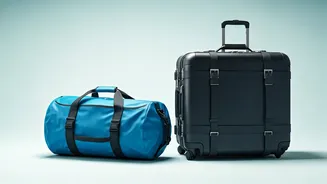
Now, consider its alternative: the humble waterproof bag. Often seen in the hands of adventurers and sailors, these bags—typically called dry bags or waterproof duffels—are masterpieces of functional design. They are usually made from rugged materials like PVC tarpaulin or nylon coated with thermoplastic polyurethane (TPU). Their construction is brutally simple: a large main compartment, a roll-top closure or a water-resistant zipper, and durable straps. There are no wheels to break, no complex telescoping handles to jam, and no rigid frame to crack. Their purpose isn't to look pretty at the airport; it’s to keep your gear protected and dry, no matter what.
The Weight Advantage Is a Game-Changer
The most immediate and undeniable advantage is weight. A standard medium-sized check-in suitcase can weigh between 3 to 5 kg when empty. In an era where airlines like IndiGo or SpiceJet charge steep fees for every extra kilo, that’s a significant handicap. A high-quality, 90-litre waterproof duffel, by contrast, can weigh as little as 1.5 kg. This simple fact means you can pack 2-3 kg of extra clothing, gear, or souvenirs. It also means less strain on your back when you have to carry it. This isn't a minor detail; it fundamentally changes what you can bring and how you move through the world.
True Durability Isn't Hard, It's Flexible
We associate hardness with strength, but in luggage, rigidity is a liability. A hard-shell suitcase, when subjected to a hard impact (like being thrown from a conveyor belt), is prone to cracking. A waterproof bag, however, is built to be pliable. It absorbs impact. It can be compressed into the tight overhead bin of a crowded bus or squeezed into the boot of a small car. The materials are inherently abrasion-resistant and the seams are often welded, not stitched, creating fewer points of failure. While a suitcase zipper is a notorious weak spot, the roll-top closure on many dry bags is practically foolproof and creates a perfect watertight seal.
Ultimate Protection from the Elements
This is where the contest ends. No suitcase is truly waterproof. They might be 'water-resistant', but they will not survive a torrential monsoon downpour, a bumpy ride on the back of a jeep through dusty terrain, or an unexpected splash on a ferry. A proper waterproof bag offers complete peace of mind. Your electronics, documents, and clothes will remain bone dry. For travel in a country like India, with its diverse climates and unpredictable weather, this level of protection isn't a luxury—it's essential. It’s the difference between a ruined holiday and a minor inconvenience.
But What About Organisation and Wrinkles?
Suitcase loyalists will point to built-in dividers and compartments as a key feature. It’s a fair point, but one easily solved. The secret is packing cubes. Using a set of packing cubes inside a large duffel bag provides a far more modular and efficient organisational system than fixed dividers. You can separate clothes by type, keep dirty laundry isolated, and compress items to save space. As for wrinkles, let’s be honest: no form of luggage is a magic solution. Clothes will get creased. The best strategy is to roll, not fold, your clothes, regardless of what you’re packing them in.