






The Magic of Seasonal Blooms
Living in a concrete jungle can often feel disconnected from nature's rhythms. This is where the simple joy of gardening comes in, even on a small scale. You don’t need a sprawling lawn to enjoy a splash of colour and life; a sunlit windowsill or a compact
balcony is more than enough. Seasonal flowers are particularly well-suited for urban homes. They offer variety throughout the year, marking the passage of seasons with their different colours and fragrances. They are also a lower-commitment option compared to large perennials. You can experiment with different plants each season, learning what thrives in your specific space without the pressure of long-term care. This approach makes gardening accessible, affordable, and endlessly rewarding, allowing you to refresh your home’s look and feel with the changing cycles of nature.
Marigold (Genda): The Sunshine Flower
No Indian home garden feels complete without the cheerful presence of marigolds. These hardy flowers are incredibly easy to grow and are a favourite for a reason. Their bright yellow, orange, and gold blooms can instantly liven up any space. Marigolds are sun-loving plants, making them perfect for balconies that receive at least four to five hours of direct sunlight. They are also quite tolerant of heat and don't demand constant attention, which is great for busy city dwellers. Plant them in well-draining soil, water when the top layer feels dry, and you'll be rewarded with continuous blooms, especially during the winter and summer months. Their earthy scent is also known to help repel some garden pests, making them a useful companion for other plants.
Petunia: Cascading Colour
If you dream of a cascade of colour tumbling from railing planters or hanging baskets, petunias are your answer. Available in a rainbow of shades including pink, purple, white, and red, these flowers are prolific bloomers, with a single plant producing dozens of flowers. They thrive in the cooler, sunnier days of Indian winters and are an excellent choice for pots. Petunias need about five to six hours of sunlight to flourish. While they appreciate regular watering, it's important to use well-draining soil to prevent root rot. With minimal care, these beautiful trumpet-shaped flowers can make any small balcony look lush and vibrant.
Bougainvillea: The Hardy Beauty
Bougainvillea is perhaps the undisputed champion of sunny Indian balconies. Known for its stunning, papery bracts in vibrant shades of pink, purple, orange, and red, this plant thrives in heat and sunlight. It is incredibly drought-tolerant once established, making it a fantastic low-maintenance option. In fact, bougainvillea often produces more flowers when its soil is allowed to dry out slightly between waterings. Given its climbing nature, it can be trained along railings or a small trellis to create a breathtaking vertical garden. For city homes with south-facing balconies that get intense sun, bougainvillea is a resilient and spectacular choice.
Jasmine (Mogra): Fragrance for Your Home
For those who believe a garden should delight all the senses, the intoxicating fragrance of Jasmine, or Mogra, is a must-have. Certain compact varieties can grow beautifully in pots on a balcony or near a window that receives decent sunlight. The delicate white flowers typically bloom from summer through the monsoon, releasing their famous sweet scent in the evenings. Imagine sipping your evening tea with the natural perfume of mogra filling your home. While it might require a bit more attention than a marigold, the reward of its fragrance makes the effort entirely worthwhile.
Tips for a Thriving Balcony Garden
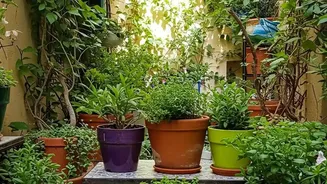
Getting started is simpler than you think. First, assess your sunlight. Most flowering plants need at least 4-6 hours of sun. Choose your pots wisely; ensure they have drainage holes to prevent waterlogging. Railing planters and vertical stands are excellent for saving floor space on small balconies. Use a good quality, well-draining soil mix, often available pre-packaged at local nurseries. Don't overwater; it's a common mistake. Check if the top inch of soil is dry before watering again. Finally, remove spent flowers regularly—a practice called deadheading—to encourage the plant to produce new blooms.