




The Power of a Final Tadka
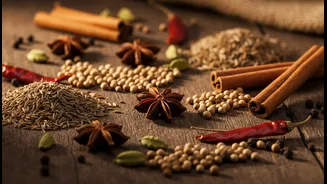
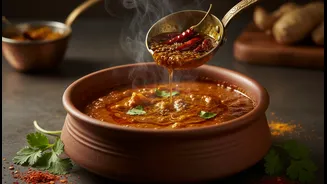
The single most transformative step in Indian cooking is often the final one: the tadka. Also known as chaunk or baghaar, this is the technique of blooming spices in hot fat like ghee or oil to unlock their essential oils. This process doesn't just add
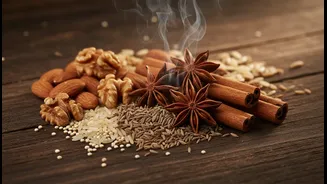
flavour; it infuses the fat itself, which then carries a wave of aroma throughout the entire dish. While many recipes start with a tadka, a finishing one adds a final, dramatic burst of fragrance and complexity just before serving. It’s the difference between a good dal and a great one. To make a simple finishing tadka, heat a tablespoon of ghee until it shimmers. Add cumin seeds and wait for them to sizzle, then perhaps some thinly sliced garlic and a broken dried red chilli. Once the garlic is golden and everything is aromatic—a process that takes less than a minute—pour the sizzling mixture over your finished curry or dal. The sound and smell are the signatures of a dish coming to life.
Go Beyond Dhaniya with Fresh Herbs
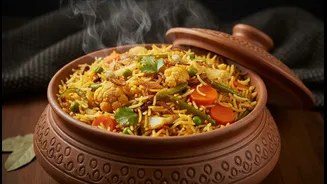
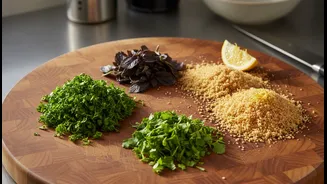
A sprinkle of chopped coriander (dhaniya) is a classic for a reason; its fresh, citrusy lift can brighten any heavy curry. But the world of fresh herbs offers so much more. Kasuri methi, or dried fenugreek leaves, provides a savoury, slightly bitter aroma that many associate with restaurant-quality dishes. To use it, simply crush a teaspoon of the dried leaves between your palms to release their oils and sprinkle it over the gravy in the last few minutes of cooking. Fresh mint leaves lend a cooling sweetness that works beautifully in yoghurt-based dishes or rich biryanis. Even fresh curry leaves, typically used in the initial tadka, can be fried until crisp and scattered on top for a final touch of texture and their unique, toasty fragrance.
Introduce Creaminess and Texture
A prepared sauce can sometimes taste a little one-dimensional. A simple way to build richness and a more luxurious mouthfeel is by adding dairy or other creamy elements. A swirl of fresh cream or a spoonful of beaten, full-fat yoghurt stirred in at the end can mellow out harsh spices and add a velvety texture. For a non-dairy option, a paste made from soaked and ground cashews or almonds can be stirred in to thicken the gravy and lend a subtle, nutty sweetness. Beyond creaminess, think about crunch. A garnish of birista (crispy fried onions) adds a savoury-sweet depth, while toasted almonds or cashews provide a delightful textural contrast, especially in milder, cream-based curries like a korma.
The Final Zing of Acidity and Heat
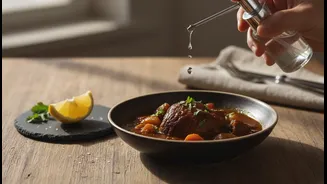
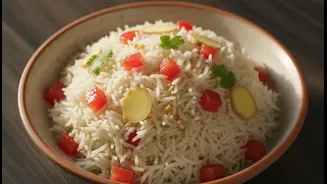
If a dish tastes flat or heavy, it might not need more salt or spice, but a touch of acidity. A final squeeze of fresh lime or lemon juice can awaken and lift all the other flavours, making the entire dish taste brighter and fresher. For another layer of complexity, a light sprinkle of chaat masala can add a tangy, funky note that is incredibly effective. If you want to add fresh heat without the dull burn of a powder, turn to finely chopped green chillies or delicate juliennes of fresh ginger. Added right before serving, they provide a sharp, clean pungency and a fresh aroma that cuts through the richness of the gravy, making each bite more interesting.