





The Problem with Protein Tunnel Vision
For many switching to a plant-based diet, protein becomes the central focus. Apps are downloaded, labels are scrutinised, and every meal is measured against a daily gram goal. While ensuring adequate protein is important, this hyper-focus can be misleading.
Simply hitting a numerical target doesn't guarantee your body is getting what it needs. This reductionist approach overlooks crucial factors like protein quality, absorption, and the vast nutritional benefits that plant foods offer beyond their protein content. A diet rich in calories and variety is often sufficient to meet protein needs without meticulous tracking. When we fixate on a single nutrient, we risk missing the bigger picture of holistic wellness.
It's About Quality, Not Just Quantity
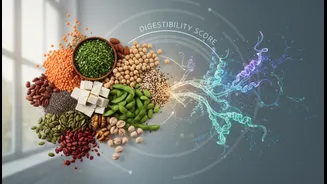
Not all protein is created equal. The key differences lie in bioavailability—how much of the protein can actually be absorbed and used by your body—and the amino acid profile. Animal proteins are generally absorbed more efficiently. Plant proteins are housed within fibrous cell walls, which can make them slightly less accessible to our digestive enzymes. Furthermore, some plant foods contain compounds like phytates that can inhibit the absorption of certain minerals. This doesn't make plant protein inferior; it simply means we need to be smart about our approach. A diet focused on a wide array of plant sources helps ensure you're getting a beneficial amount of usable protein.
Demystifying 'Complete' Proteins
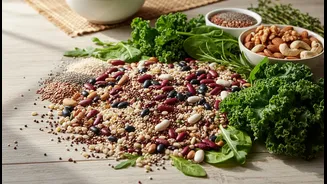
The idea of "incomplete" plant proteins has caused unnecessary anxiety. Proteins are made of 20 amino acids, nine of which are essential, meaning we must get them from food. While most animal proteins contain all nine in high amounts, many plant foods are lower in one or two. For instance, legumes are low in methionine, and grains are low in lysine. This led to the now-debunked myth that you must meticulously combine specific foods at every single meal. Your body is smarter than that; it maintains a pool of amino acids from everything you eat throughout the day. As long as you eat a varied diet of legumes, grains, nuts, and seeds, you will get all the essential amino acids you need.
The Power of the Whole Food Package
Focusing only on protein ignores the incredible synergy within whole plant foods. When you eat a bowl of lentils, you're not just getting protein. You're also getting fibre, which is crucial for gut health, along with iron, folate, and a host of other vitamins and minerals. This concept, known as food synergy, suggests that nutrients in whole foods work together to provide greater health benefits than when consumed in isolation. Plant foods are packed with thousands of phytonutrients and antioxidants that protect our cells and reduce inflammation. By shifting your focus from isolated nutrients to the entire food, you embrace a much more powerful and effective approach to health.
A Smarter, More Joyful Approach
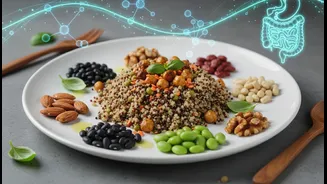
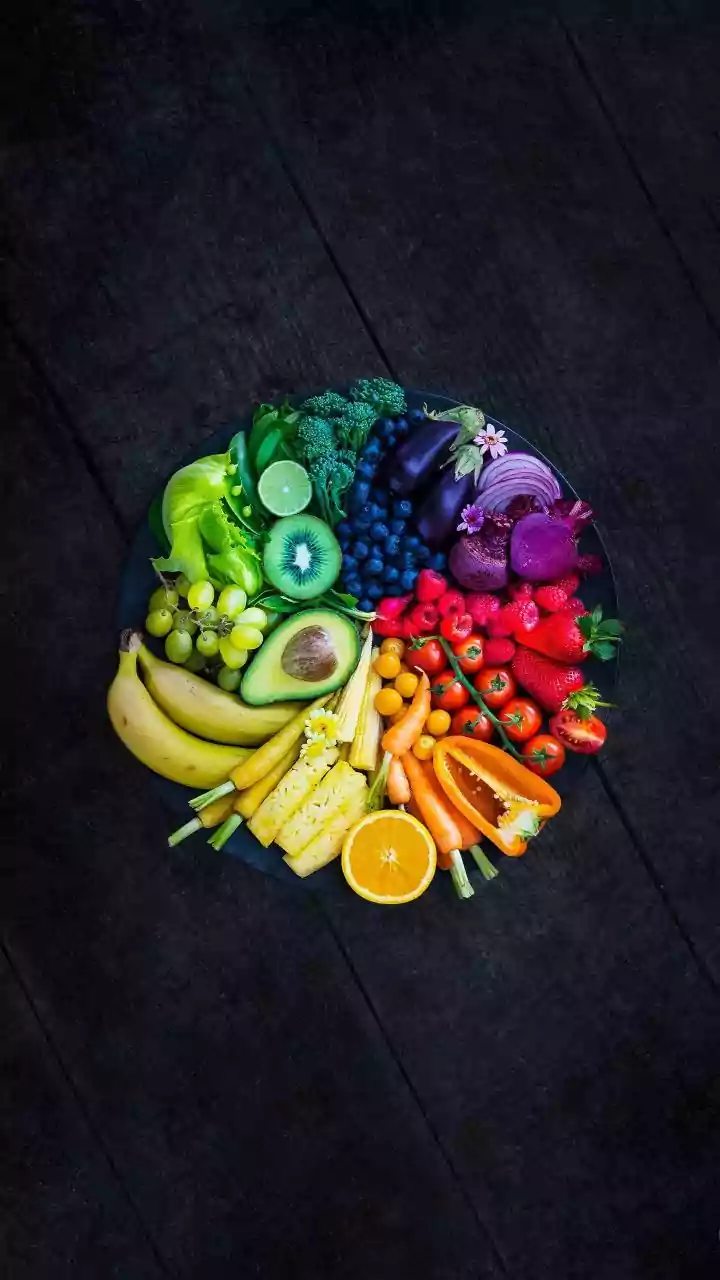
So, how should you approach protein on a plant-based diet? Forget the stressful gram-counting. Instead, focus on variety and nutrient density. Aim to build your meals around a diverse range of protein-rich plant foods: lentils, chickpeas, beans, tofu, tempeh, quinoa, oats, nuts, and seeds. Think in terms of food groups, not grams. Make sure your plate has a source of legumes, a whole grain, and plenty of colourful vegetables. This not only ensures a complete amino acid profile over the course of the day but also maximises your intake of fibre, vitamins, and minerals. This approach is not only healthier but also brings more joy and creativity to the kitchen, freeing you from the rigid anxiety of the numbers game.