
The Great Air Purification Debate
Let's clear the air about cleaning the air. The popular belief that houseplants are natural air purifiers stems largely from a 1989 NASA study. This research found that certain plants could indeed remove volatile organic compounds (VOCs) like benzene
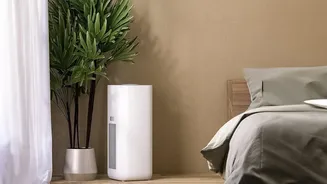
and formaldehyde from a sealed chamber. However, the key words are "sealed chamber." Your living room, unlike a space station, has constant air exchange from windows, doors, and ventilation systems. More recent analyses have concluded that to replicate NASA's results in an average home, you would need a dense jungle of plants—some studies estimate anywhere from 10 to 1000 plants per square metre—to make a significant dent in air pollution. So, while plants do absorb tiny amounts of pollutants, they aren't a practical substitute for good ventilation or a dedicated air purifier.
The Real Benefit: Your Mental Health
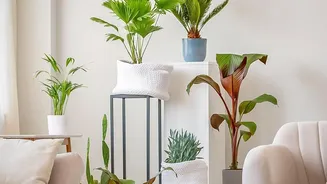
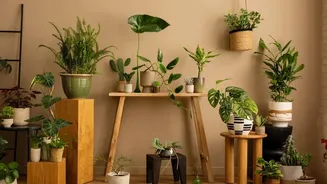
While their air-purifying skills may be overstated, the psychological benefits of indoor plants are strongly supported by science. Numerous studies have shown that interacting with and even just being around plants can significantly reduce stress. This isn't just a feeling; it's physiological. The presence of plants can lower blood pressure, heart rate, and levels of cortisol, the body's primary stress hormone. The simple act of caring for a plant—watering it, pruning it, watching it grow—is a form of active mindfulness that can ground you in the present moment, reduce anxiety, and combat depressive moods. In office settings, plants have been shown to improve concentration, memory, and productivity. The biggest contribution of a plant to a healthy space is often its impact on your mental and emotional well-being.
The Unkillable Companion: Snake Plant
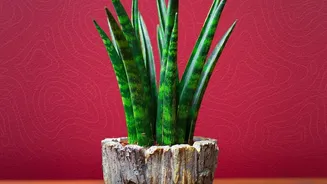
For those who feel stressed by the thought of keeping something alive, the Snake Plant (Sansevieria trifasciata) is the perfect starter. It thrives on neglect, tolerates low light, and requires infrequent watering. This resilience makes it a stress-free addition to any room. The joy of watching a plant thrive with minimal effort can be a quiet confidence booster. While it was one of the plants included in the NASA study, its true value lies in its hardiness. It's a plant that works with you, not for you, providing a touch of green without adding to your mental load. As a small bonus, it's one of the few plants that releases oxygen at night, but its main health contribution is simply being an easy, beautiful living thing in your space.
The Humidity Helper: Peace Lily
Beyond mental health, some plants offer tangible physical benefits, and the Peace Lily (Spathiphyllum) is a prime example. Through a process called transpiration, plants release water vapor from their leaves. This can modestly increase the humidity in a room, which is particularly beneficial in dry, air-conditioned environments or during winter months. Improved humidity can help alleviate issues like dry skin, scratchy throats, and respiratory irritation. The Peace Lily is known for its relatively high transpiration rate. It also has the convenient habit of drooping dramatically when it needs water, taking all the guesswork out of its care. Its elegant white flowers and glossy leaves make it a beautiful, functional addition to a bedroom or living room.
The Resilient Propagator: Spider Plant
The Spider Plant (Chlorophytum comosum) is another famously low-maintenance option that offers a unique psychological perk: the joy of propagation. These plants produce small "spiderettes," or baby plants, that can be easily snipped off and rooted in water or soil to create new plants. This act of nurturing new life can be incredibly rewarding and mood-boosting. It provides a tangible sense of accomplishment and growth. Spider plants are also non-toxic, making them a safe choice for homes with curious pets or small children. Their cascading leaves look wonderful in hanging baskets, adding a dynamic layer of green to your decor while offering a simple, engaging hobby.
The Sensory Soother: Lavender
Not all benefits are passive. Some plants actively engage our senses to improve our well-being, and lavender is a star player. While often grown outdoors, a small lavender plant can be kept in a sunny indoor spot. Its health benefits come from its famous scent. The aroma of lavender is widely documented to have calming effects, helping to reduce anxiety and promote better sleep. Inhaling its fragrance can trigger a relaxation response in the nervous system. Placing a pot in your bedroom or a study can create a naturally tranquil atmosphere, using the power of aromatherapy to make your space feel like a sanctuary. This is a direct sensory contribution to a healthier, more peaceful home.