


What Exactly Is Visual Scale?
In interior design, scale refers to how the size of an object relates to the size of other objects and the room itself. It's not about the actual dimensions of a piece, but its 'visual weight'—how large it appears based on its size, color, and shape.
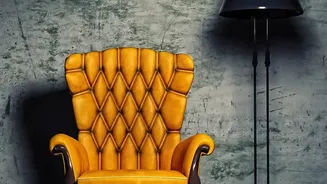
A dark, bulky armchair has more visual weight than a light-colored one with slender legs, even if they occupy the same footprint. Proportion, a related concept, deals with the size relationships between parts of a single object, like the arms of a chair in relation to its back. But scale is about the harmony of all the pieces together. When the scale is right, a room feels balanced and complete; when it's wrong, the space can feel chaotic or unfinished, no matter how beautiful the individual items are.
The High-Price Illusion
Many believe a luxury price tag comes with built-in good taste, but that’s a costly misconception. An expensive, oversized sofa can dominate a small living room, making it feel cramped and unusable. A massive, high-end chandelier in a room with standard-height ceilings will feel oppressive, not grand. The problem is that expensive items are often designed to be 'statement pieces', but if their scale doesn't respect the architecture of the room, they make a statement for all the wrong reasons. A room full of expensive but incorrectly scaled furniture will always look less resolved than a room filled with modest, thoughtfully scaled items. The most successful interiors achieve a sense of harmony where no single piece competes for attention.
Common Scale Mistakes to Avoid
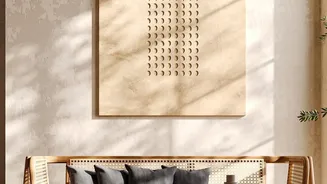
One of the most frequent errors is using art that is too small for the wall. A tiny frame floating above a large sofa makes both look disconnected. As a rule of thumb, art above a piece of furniture should fill about two-thirds of the furniture's width. Another common issue is the area rug. A rug that's too small and 'floats' in the middle of the room makes the entire space feel fragmented. Ideally, at least the front legs of all seating should be on the rug to create a unified zone. Finally, people often choose light fixtures that are too small. A tiny pendant over a large dining table gets lost. Don't be afraid to go bigger with lighting; it rarely overwhelms a space and often provides a much-needed focal point.
How to Master Scale on a Budget
Getting scale right is more about observation than spending. Instead of buying a small, expensive painting, opt for an oversized, inexpensive canvas or a large-scale print to properly anchor a wall. If you have a collection of smaller items, group them. A cluster of small frames on a wall or a collection of vases on a tray creates a single, larger visual mass that has more impact. Mirrors are a fantastic tool. A large, simple mirror can do the work of an expensive piece of art, adding scale, reflecting light, and making the room feel bigger. Before you buy, test the scale. Use painter's tape on the floor and walls to outline the dimensions of a potential furniture or art purchase. This simple step helps you visualize its impact before you spend a single rupee.
Your Go-To Scale Checklist
Before finalizing a purchase or arranging a room, run through these simple questions. Does this piece relate to the ceiling height, or is it too tall or short? Does it allow for easy movement and traffic flow around it? Is the furniture anchoring the room, or is it pushed against the walls, creating a 'waiting room' effect? How does this item relate to the pieces next to it? A coffee table, for instance, should feel connected to the sofa, not miles away. For art and rugs, do they fill at least half to two-thirds of the visual space they are meant to occupy? By thinking in terms of relationships rather than isolated objects, you begin to see your room as a complete composition.