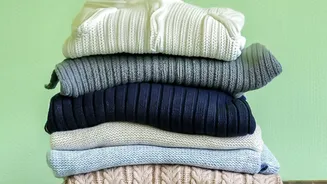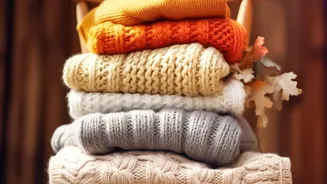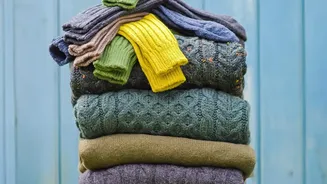





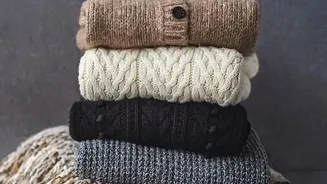

Wool is a wardrobe staple, prized for its warmth and luxurious feel. But the fear of shrinking a beloved sweater is real. Understanding why hot water is the enemy of wool is the first step to keeping your garments in perfect shape for years.
A Microscopic Look at Wool
To understand
why wool reacts so dramatically to improper washing, we need to zoom in on the fibre itself. Unlike smooth synthetic threads, a single wool fibre is a complex structure made of a protein called keratin, the same protein found in human hair. The most important part for our laundry purposes is its outer layer, the cuticle. This layer is covered in microscopic, overlapping scales, similar to the shingles on a roof or scales on a fish. When the wool is dry and cool, these scales lie flat, giving the fabric its soft feel. These scales are what make wool unique and, unfortunately, what make it so vulnerable to damage.
Heat and Water: The First Mistake
The trouble begins when you introduce wool to hot water. Heat and moisture cause the wool fibre to swell and, crucially, cause those tiny scales on the cuticle to open up and lift, like the bracts of a pinecone opening in the sun. Once these scales are flared outwards, they are no longer smooth; they are primed to catch and snag on anything they touch, especially the scales of other fibres nearby. While heat alone initiates the problem, it's the combination with the next step in a typical wash cycle that leads to irreversible damage.
Agitation and the Felting Catastrophe
With the fibre scales opened by the hot water, any movement—or agitation—becomes disastrous. The rubbing, tumbling, and spinning of a washing machine forces these now-exposed scales to grab onto each other and interlock. They get tangled in a way that is permanent. This process is called felting. As the countless fibres in the yarn bind together, the entire fabric contracts, becoming thicker, denser, and significantly smaller. This is the dreaded shrinkage that turns an adult-sized sweater into something fit for a doll. This interlocking is irreversible; once a garment has felted, it cannot be returned to its original state.
The Right Way to Wash Wool
The key to safely washing wool is to avoid the two main culprits: heat and agitation. Always use cold or lukewarm water, never exceeding 30-40 degrees Celsius. If you are ever in doubt, cold water is always the safest choice. Handwashing is the gentlest method. Simply soak the garment in cool water with a mild, wool-specific detergent for about 10 minutes, gently squeeze, and rinse with water of the same temperature to avoid shock. If using a machine, select the dedicated 'wool' or 'delicates' cycle, which uses low agitation and a slow spin speed. Always turn garments inside out to protect the surface.
Drying and Storing Your Woollens
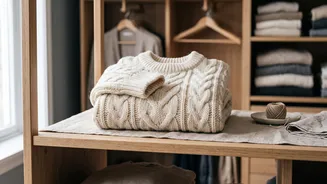
Proper drying is just as important as washing. Never put wool in a tumble dryer, as the heat can cause the very shrinkage you just avoided. Also, avoid hanging wet wool, as the weight of the water will stretch the garment out of shape. The correct method is to gently roll the item in a clean towel to press out excess water—do not wring it. Then, lay the garment flat on a drying rack or another clean, dry towel, away from direct sunlight or heat sources like radiators. For storage, fold your clean woollens and keep them in a cool, dry place; this prevents stretching and protects them from moths, which are attracted to body oils.