



A Weaker Finish to the Monsoon
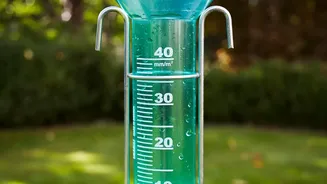
The India Meteorological Department (IMD) has officially forecast a 'below-normal' end to the 2026 southwest monsoon. Specifically, rainfall during the critical August-September period is expected to be less than 94% of the Long Period Average (LPA).
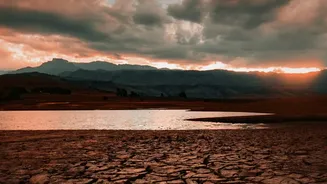
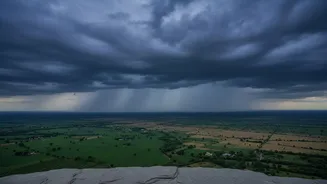
This outlook comes after a volatile season, which saw a very dry June followed by a welcome recovery in July where rainfall was slightly above normal. However, the anticipated dip in the final two months raises concerns, as these are the rains that are meant to top up the country's major reservoirs, securing water for drinking, agriculture, and industry well into 2027.
The El Niño Effect
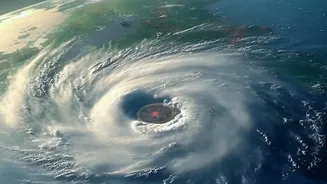
A key factor driving this subdued forecast is the strengthening of El Niño conditions over the Pacific Ocean. El Niño, a climate pattern characterized by unusually warm ocean surface temperatures, is known to disrupt global weather, and in India, it is often linked to weaker monsoon rains. The IMD has noted that the moderate El Niño conditions observed in July are expected to intensify through the rest of the season. While another phenomenon, a positive Indian Ocean Dipole (IOD), could potentially develop in September and counteract some of El Niño's impact, the immediate outlook for August remains weak. As a result, above-normal temperatures are also forecast for most of the country in August.
How Full Are Our Reservoirs?
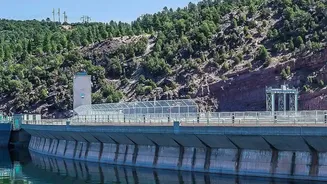
This is the billion-dollar question for municipal planners. A forecast is a probability, but reservoir levels are a hard reality. Despite improvements in July, the overall water storage situation remains a mixed bag and is worse than at the same time last year. As of late July 2026, water levels in India's major reservoirs were at 44% of their total capacity. This is a significant improvement from early July, but over half of the country's key reservoirs remain more than half-empty. Some regions are feeling the pinch more than others. In mid-July, reservoirs in states like Telangana, Bihar, and Punjab were reported to be significantly below their normal levels for this time of year. However, cities like Mumbai are in a more comfortable position, with its seven supplying lakes at a healthy 89% capacity as of early August.
What Cities Are Doing Now
With the IMD's forecast confirming a likely dry spell, municipal bodies are being forced to think ahead. Their primary goal is to stretch the current water supply to last until the next monsoon, avoiding drastic water cuts in the summer of 2027. In Tamil Nadu, the state government has already allocated ₹340 crore to augment drinking water sources in anticipation of a rainfall deficit. In Pune, which has faced issues with water quality, the municipal corporation is being directed to create a 25-year master plan for water purification and upgrade its systems. For most city planners, the new forecast means shifting from hoping for more rain to managing what they already have. This involves calculating inflow versus outflow, assessing current storage, and modelling consumption patterns to determine if and when water restrictions might become necessary in the post-monsoon period.