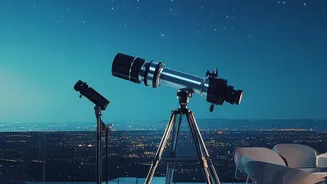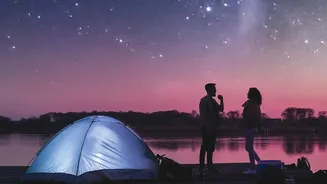



Escaping the city's glow to witness a sky brimming with stars is a profound experience. In India, a growing number of destinations offer this celestial magic, but the real secret lies in planning your trip around the moon's phases.
Understanding the Moonlight Factor
Before picking a destination,
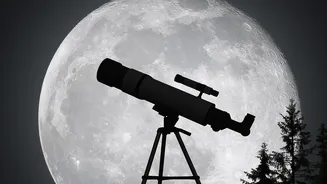
the most crucial step is to check the lunar calendar. The best time for stargazing, especially to see the faint trail of the Milky Way or meteor showers, is during the new moon phase. This is when the moon is not visible in the night sky, resulting in maximum darkness. The five days before and after a new moon are generally considered the ideal window. A full moon, while beautiful in its own right, acts like a giant source of light pollution, washing out all but the brightest stars and planets from view. So, your first step in planning should always be to align your travel dates with a new moon for the most dramatic cosmic display.
Hanle, Ladakh: India's Dark Sky Sanctuary
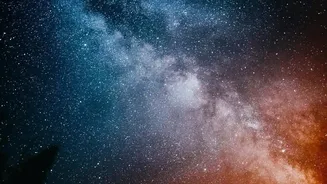
For the ultimate stargazing experience, Hanle in Ladakh is unparalleled. Located at an altitude of about 4,500 meters, it is home to India's first and only designated Dark Sky Reserve. The high altitude, clear, dry air, and near-zero light pollution provide exceptionally pristine views of the cosmos. On a clear, moonless night, the Milky Way is not just a smudge but a brilliant, textured band stretching across the sky. The best time to visit is from May to September when the roads from Leh are open and the weather is relatively manageable, though nights are still freezing. Due to its proximity to the border, an Inner Line Permit (ILP) is mandatory for all visitors. Accommodation is primarily in local homestays, offering an authentic and community-focused experience.
Spiti Valley, Himachal Pradesh: A High-Altitude Desert
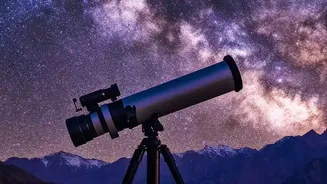
Spiti Valley, a cold desert mountain valley in Himachal Pradesh, offers some of the darkest and clearest skies in the country. Its high-altitude villages like Langza, Kibber, and Komic are situated far from any significant sources of light pollution. The stargazing season here runs from May to October, with July and August offering the best combination of clear skies and manageable temperatures. Planning a trip around the new moon in these months can reveal stunning views of the Milky Way core. Many local homestays and tour operators in Kaza offer guided stargazing sessions, sometimes with telescopes. Remember to acclimatise properly to the high altitude before spending nights in the upper villages.
Rann of Kutch, Gujarat: A Celestial Desert Spectacle
The vast, flat salt desert of the Rann of Kutch provides a surreal and unique setting for stargazing. The featureless landscape offers an uninterrupted 180-degree view of the heavens. With minimal light pollution, the sheer number of visible stars can be astounding. The best time to visit is during the Rann Utsav, which runs from November to February, coinciding with the cool, dry winter season when skies are at their clearest. A moonless winter night here is perfect for deep-sky observation. Conversely, a full moon night offers a different kind of magic, as the white salt pans glow under the lunar light. Many stays in the tent city of Dhordo or nearby offer stargazing experiences.
Coorg, Karnataka: Stargazing in the South
For those in Southern India, Coorg in the Western Ghats is an accessible and rewarding stargazing destination. Its high altitude, clean air, and location away from major urban centres result in significantly darker skies compared to the cities. The southern valleys of Coorg, in particular, offer excellent, dark skies. The clear-sky season generally runs from November through May, with the winter months of December and January offering very stable and transparent skies. Several coffee plantations, homestays, and resorts in the region offer dedicated stargazing experiences, and there are even observatories like Starscapes that provide guided sessions with premium telescopes.