




A Breakfast Misfit
When oats first entered the Indian market, they faced a cultural challenge. Historically, breakfast in India has been a predominantly savoury affair. From Poha in the west and Parathas in the north to Idli and Dosa in the south, the Indian palate wakes
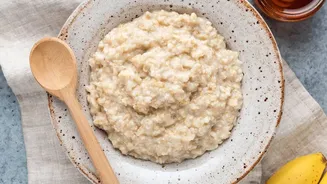
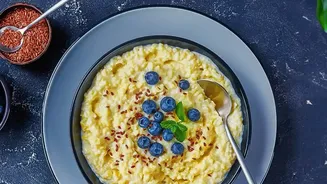
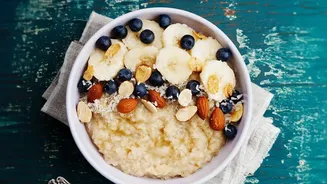
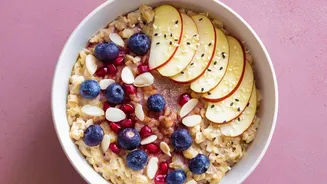
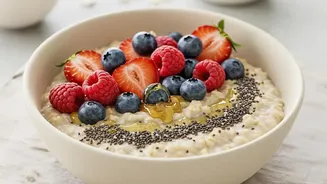
up to spices, tang, and warmth. The idea of a sweet, gooey bowl of porridge, often prepared with milk or water, was foreign and unappealing to many. It was positioned as a health food, something to be consumed for its benefits rather than for its taste. This perception relegated oats to the back of the pantry, often seen as a reluctant, clinical choice rather than a joyful start to the day.
The Rise of the Urban Fitness Wave
The game changed with the boom in urban fitness and wellness culture across India. As more people hit the gym and became calorie-conscious, there was a growing demand for breakfast options that were quick, convenient, and packed with the right nutrients. Oats, being a fantastic source of complex carbohydrates, protein, and dietary fibre, fit the nutritional profile perfectly. They keep you feeling full for longer, help manage blood sugar levels, and provide sustained energy — all key goals for a fitness enthusiast. The only problem was the taste. The fitness community needed a way to make this nutritional powerhouse compatible with their flavour expectations.
The Savoury Solution: An Indian Makeover
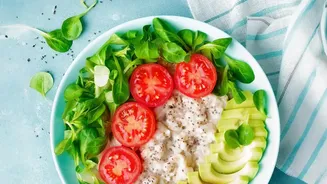
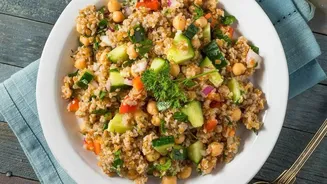
The solution was brilliantly simple and intuitively Indian: treat oats like any other grain. Instead of sweet toppings, urban cooks started giving oatmeal a 'tadka' (tempering) with mustard seeds, cumin seeds, and curry leaves. The bland porridge was transformed into a savoury, upma-like dish. Onions, tomatoes, ginger, and green chillies form the base, while a mix of spices like turmeric, red chilli powder, and garam masala provides the signature Indian flavour. Chopped vegetables like carrots, peas, and bell peppers are added for texture, nutrients, and colour, turning the once-drab bowl into a vibrant meal. This innovation, popularly known as 'masala oats', was a revelation. It offered the best of both worlds: the celebrated health benefits of oats combined with the comforting, familiar taste of a home-cooked Indian breakfast.
More Than Just a Meal
Masala oats quickly transcended being just a breakfast recipe; they became a lifestyle statement. For the busy urban professional and dedicated gym-goer, it represents a perfect balance. It's a meal that can be prepared in under 15 minutes, is incredibly nutritious, and doesn't force a compromise on taste. It aligns with modern goals of weight management and clean eating while honouring a palate shaped by generations of Indian cuisine. This fusion showcases a broader trend of localising global health foods, making them relevant and sustainable in an Indian context. It's no longer about adopting a Western habit but about adapting a global ingredient to fit a desi lifestyle.
The Nutritional Edge
The shift from sweet to savoury oatmeal also comes with significant health advantages. Traditional sweet oatmeal, especially pre-packaged varieties, can be high in added sugars, which can lead to a blood sugar spike and a subsequent crash in energy levels a few hours later. Savoury oats, on the other hand, provide a stable release of energy. By eliminating sugar and adding vegetables and spices, the dish becomes richer in vitamins, minerals, and antioxidants. It’s a low-calorie, high-fibre meal that aids digestion and promotes satiety, making it an excellent tool for weight management. This nutritional profile makes it a far more balanced and effective way to start the day compared to its sugary counterpart.