


The intricate patterns of a village artisan’s handiwork might seem worlds away from a sleek city apartment. Yet, a quiet revolution is taking place, bridging this gap and bringing India's rich craft heritage into the heart of modern living rooms.
A Renaissance in the Making
There’s
a growing movement that sees beyond treating traditional crafts as mere souvenirs. Instead, homeowners and interior designers are thoughtfully integrating these pieces into contemporary spaces, creating a look that is both globally sophisticated and deeply rooted in Indian culture. This isn't about recreating a museum-like ethnic decor, but about a curated blend where the clean lines of a modern sofa can be perfectly balanced by the soulful story of a handcrafted item. The result is a home that feels personal, layered, and alive with history, where every object carries the touch of its maker.
Painted Stories on New Canvases
Folk art, once confined to mud walls and ritualistic floor paintings, is finding a vibrant new life in urban homes. Madhubani painting from Bihar, known for its intricate lines and symbolic imagery of nature and mythology, is no longer just for walls. Designers and artisans are adapting these detailed motifs onto lampshades, wooden furniture, and even leather accessories. Similarly, the minimalistic, geometric figures of Warli art from Maharashtra are being used to create striking feature walls, cushion covers, and coasters, adding a touch of earthy elegance to modern interiors. These art forms add a layer of narrative and character that mass-produced prints often lack.
Weaving New Narratives with Textiles
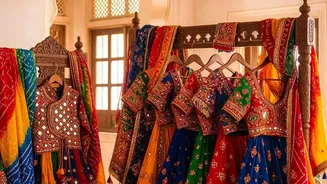
Indian textiles have always been a cornerstone of its craft traditions, and today, they are one of the easiest ways to introduce artisanal charm into a home. Ancient techniques like hand-block printing are being revitalized with contemporary colour palettes and patterns. These fabrics are being used for everything from curtains and upholstery to statement rugs and vibrant cushion covers that can animate a neutral-coloured room. Handwoven dhurries, Kantha-stitched throws, and Ikat fabrics offer a rich tapestry of textures and patterns, allowing homeowners to play with layers and create a space that feels both cosy and chic.
Metal and Wood in Modern Forms
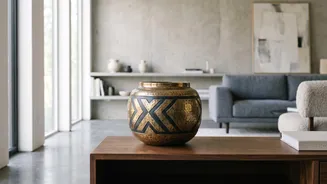
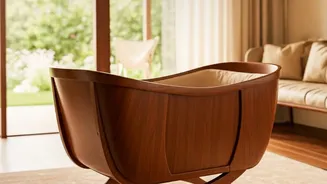
The warmth of handcrafted wood and the gleam of traditional metalwork are finding new expressions in modern decor. Intricately carved wooden panels and jali screens are being incorporated into clean, geometric furniture designs, like headboards and cabinets. Brass and copper, long used for ritual objects, are now being fashioned into statement pieces. A hammered brass planter, a sculptural Nandi, or a set of burnished metal urns can serve as a striking focal point in a minimalist setting, their natural patina contrasting beautifully with contemporary materials like glass and concrete.
Empowering Artisans, Preserving Heritage
This trend is more than just an aesthetic choice; it represents a crucial bridge between urban consumers and rural artisan communities. Collaborations between designers and craftspeople are creating sustainable livelihoods and ensuring that ancient skills are passed down. Brands and social enterprises are working to provide fair wages, training in modern techniques, and access to new markets, transforming crafts from a struggle for survival into a profession of dignity. By choosing these handcrafted items, consumers not only beautify their homes but also become patrons of a living heritage, supporting the hands that keep these traditions alive.