



Why Are Gold Prices Falling Now?
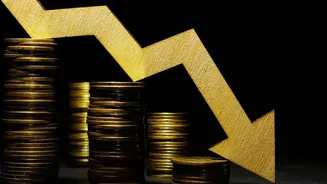
The recent drop in gold prices is not happening in a vacuum. Several global factors are at play, creating significant pressure. A primary driver is the strengthening of the US dollar, which recently hit a multi-month high. Since gold is traded internationally
in dollars, a stronger greenback makes it more expensive for those buying with other currencies, like the Indian rupee, thereby reducing demand. Compounding this is the outlook on US interest rates. Investors are anticipating that the US Federal Reserve might keep interest rates high to combat inflation. Gold doesn't pay interest, so when government bonds offer higher yields, they become a more attractive investment, pulling money away from precious metals.
Profit Booking and Market Sentiment
The price dip also comes after a significant rally earlier in the year. Gold reached record highs in January 2026, and many investors who bought in before or during that surge are now 'booking profits' — selling their holdings to lock in the gains. This wave of selling adds to the downward pressure on prices. The result is increased volatility, with MCX gold futures seeing sharp single-day declines in November. Market experts note that this volatility is likely to continue as the market reacts to new economic data, especially US inflation reports and central bank announcements.
The Case for Long-Term Gains
Despite the current turbulence, the long-term outlook for gold remains a topic of optimistic discussion among many market analysts. Several underlying factors that supported gold's previous rally are still in effect, including geopolitical uncertainties and significant purchasing by central banks worldwide. While past performance is no guarantee of future results, gold has historically delivered average annual returns of around 10-11% to Indian investors over the last two decades. Some forecasts for 2027 project that gold could trade significantly higher than current levels, with some analysts suggesting prices could climb back toward, and potentially exceed, previous records. This potential for future growth is why many financial advisors still recommend allocating 10-15% of an investment portfolio to gold as a stabilising asset.
Domestic Demand Remains a Key Factor
In India, local demand plays a crucial role that can sometimes buffer international trends. The festive season, including Diwali and Dhanteras, along with the wedding season, traditionally sees a surge in gold purchases. While record-high prices earlier in 2026 did dampen some consumer demand, price corrections often bring buyers back to the market. India remains one of the world's largest consumers of gold, and this consistent cultural and retail demand provides a foundational layer of support for prices within the country. Even the Reserve Bank of India has been a significant buyer, increasing its gold reserves as a strategic asset.
What Should an Investor Do?
Navigating a volatile market can be daunting. Panicked selling during a dip is often counterproductive for long-term goals. Instead, financial experts often suggest a disciplined and staggered approach. A Systematic Investment Plan (SIP) in a gold fund or digital gold allows an investor to buy small amounts regularly, averaging out the purchase cost over time. This strategy, known as rupee-cost averaging, means you automatically buy more gold when prices are low and less when they are high. For those looking at physical gold, jewellers' savings schemes can serve a similar purpose for a planned future purchase. The key is to have a clear goal for your gold investment, whether it's for long-term wealth diversification, a future wedding, or simply as a safe-haven asset.